Translate this page:
Summary
Yellow sweetclover is a tall, aromatic, usually biennial plant belonging to the bean family (Fabaceae). Originally native to Europe and Asia, it has become widely naturalised throughout the world, including North America and Australia. It commonly grows along roadsides, in fields, pastures, agricultural areas, and disturbed ground.
The plant is recognised by its three-part leaves, tall branching stems, and numerous small yellow flowers arranged in elongated clusters. Its leaves and flowers have a distinctive sweet, hay-like fragrance caused by coumarin, a naturally occurring aromatic compound.
Young leaves and flowers have traditionally been used as occasional food and flavourings, although their taste is often bitter or acrid. The seeds have also been experimentally prepared as a bean-like food, but they contain potentially harmful compounds and are not recommended for consumption.
Yellow sweetclover is particularly valuable as a nitrogen-fixing plant, livestock forage, and nectar source for honeybees. However, it can become invasive, and improperly stored sweetclover hay may develop dangerous anticoagulant compounds.
Physical Characteristics

 Melilotus officinalis is a ANNUAL/BIENNIAL growing to 1.2 m (4ft) by 0.7 m (2ft 4in) at a fast rate.
See above for USDA hardiness. It is hardy to UK zone 4 and is not frost tender. It is in flower from July to September. The species is hermaphrodite (has both male and female organs) and is pollinated by Bees.
It can fix Nitrogen.
It is noted for attracting wildlife.
Suitable for: light (sandy), medium (loamy) and heavy (clay) soils, prefers well-drained soil and can grow in heavy clay soil. Suitable pH: neutral and basic (mildly alkaline) soils and can grow in very alkaline and saline soils.
It cannot grow in the shade. It prefers dry or moist soil and can tolerate drought.
UK Hardiness Map
US Hardiness Map
Synonyms
Brachylobus officinalis (L.) Dulac. Medicago officinalis (L.) E.H.L.Krause. Sertula maior Lunell. Sertula officinalis (L.) Kuntze. Trifolium officinale L. Trigonella officinalis (L.) Coulot & Rabaute.
Plant Habitats
Cultivated Beds;
Edible Uses
Edible Parts: Flowers Leaves Root Seedpod Shoots
Edible Uses: Condiment
Yellow sweetclover is an abundant and easily recognised legume with considerable agricultural and ecological importance. Its ability to fix nitrogen, provide livestock forage, and produce nectar for honeybees makes it useful in some farming systems. However, its value as a wild food is limited. Although the young leaves and flowers can be eaten in modest quantities, their flavour is frequently bitter or acrid. The seeds contain potentially harmful compounds and are not recommended for consumption. The risk of dicoumarol formation in spoiled plant material is an additional concern, particularly when sweetclover is dried or stored. Its aggressive growth and potential to displace native vegetation also make it an environmental weed in many regions. With an edibility rating of 2 out of 5, yellow sweetclover is best regarded as an occasional flavoring or supplementary wild vegetable rather than a dependable food source [2-3]. The young leaves and flowers are edible, fresh or cooked, but their strong flavor and potential health concerns limit their usefulness as food. Young leaves can be eaten raw in small quantities, but they are generally more palatable when cooked as a leafy vegetable. Boiling softens the leaves and reduces some of their bitter and acrid flavors. The small yellow flowers are also edible in modest quantities and generally have a slightly more pleasant flavor than the leaves. Their nectar contributes a mild sweetness, although the overall taste remains strongly herbal. The stems become tough and fibrous as they mature and are unsuitable for eating. Some wild-food references describe the seeds as edible, but they contain canavanine, a potentially harmful non-protein amino acid. Their safety as a human food has not been adequately established, and consumption is not recommended. Only fresh, healthy plant material should be considered for culinary use. Moldy, fermented, or improperly stored sweetclover may contain dangerous anticoagulant compounds [2-3]. Edibility Rating: 2 out of 5 – Limited edible value. Yellow sweetclover is abundant and produces edible young leaves and flowers, but its frequently unpleasant flavor and significant safety concerns make it a poor choice as a regular wild food. The seeds are not recommended for consumption [2-3]. Taste and Preparation: Yellow sweetclover has a distinctive sweet, hay-like aroma, but its flavor is considerably less appealing than its fragrance suggests. The name sweetclover refers mainly to the plant's smell rather than its taste. Fresh leaves have a grassy, slightly bitter flavor with pronounced acrid overtones. Some plants produce reasonably palatable leaves, while others are distinctly unpleasant. The flowers generally taste somewhat better than the leaves because of their nectar content. Use them sparingly as a flavoring or add them to mixed salads. Cooking improves the texture and may reduce some of the harsh flavors. Young leaves and flowers can be boiled as potherbs, although the resulting cooking liquid may retain an unpleasant bitterness. The stems remain tough after cooking, so remove them beforehand. You can strip leaves from the stems by pulling them downward [2-3]. Seeds and Their Preparation: Yellow sweetclover produces numerous small, hard seeds that are relatively easy to gather from mature plants. Our experimental preparation methods involved boiling the seeds for approximately 45 minutes or briefly toasting them. Boiling reportedly softened the seeds and reduced their bitterness, producing a flavor resembling ordinary beans mixed with alfalfa. Toasting produced a firmer, crunchy texture but emphasized some unpleasant flavors. Roasting the seeds before boiling also produced a beverage with coffee-like characteristics [2-3]. However, these observations do not prove that sweetclover seeds are safe to eat. The seeds contain canavanine, which can interfere with normal amino acid metabolism. Although cooking may reduce the concentration of some undesirable compounds, it does not reliably establish their safety. Therefore, yellow sweetclover seeds are not recommended as a food source, even when cooked [2-3]. Seasonality: Yellow sweetclover generally begins producing new growth in spring and continues growing throughout summer. In the Northern Hemisphere, flowering commonly occurs from May to October, depending on climate, rainfall, and elevation. Young leaves are most suitable for gathering during active growth, before the stems become tough and fibrous. Yellow flowers develop in summer, followed by small seedpods that mature later in the growing season. In its typical biennial growth cycle, yellow sweetclover produces a leafy rosette in its first year and tall flowering stems in its second. In southern Australia, growth is often strongest during the cooler, wetter months, with flowering occurring in spring and summer [2-3]. Traditional Uses: Yellow sweetclover originated in Europe and Asia and was not a significant traditional food plant for Native American communities. It has a long history of agricultural use as livestock forage, green manure, and a nectar plant for honey production. People have also used the plant in traditional European herbal medicine, particularly in preparations associated with circulation, swelling, and minor inflammatory conditions. Its characteristic fragrance made it useful in scented mixtures and other aromatic applications. Modern herbal preparations sometimes contain extracts of yellow sweetclover, although medicinal use requires greater caution than occasional culinary use because concentrated preparations may contain substantial quantities of biologically active compounds. Yellow sweetclover has also been widely cultivated to improve soil fertility because its roots form associations with nitrogen-fixing bacteria. It is an important honey plant. Its numerous nectar-rich flowers attract honeybees and can contribute significantly to honey production where large populations occur [2-3]. Safety: Yellow sweetclover requires particular caution because of the risk of dicoumarol poisoning. The plant naturally contains coumarin, an aromatic compound responsible for its characteristic sweet, hay-like smell. When sweetclover is improperly dried or stored under moist conditions, certain fungi can convert coumarin-related compounds into dicoumarol, a powerful anticoagulant. Dicoumarol interferes with vitamin K-dependent blood clotting and can cause serious internal bleeding. Historically, moldy sweetclover hay has caused fatal hemorrhaging in livestock. Fresh, healthy sweetclover does not ordinarily contain the same dangerous concentrations of dicoumarol found in spoiled hay. Nevertheless, this does not mean that consuming large quantities of fresh sweetclover is risk-free. Never consume moldy, fermented, or improperly stored sweetclover. Avoid wilted material that has begun to spoil. Sweetclover seeds contain canavanine, a non-protein amino acid that can interfere with normal amino acid metabolism. Their regular consumption is not recommended. People taking anticoagulant medications, those with bleeding disorders, pregnant individuals, and people with autoimmune conditions should avoid medicinal or concentrated preparations unless advised otherwise by a qualified healthcare professional. The plant should not be used as a regular dietary staple [2-3]. Root[46, 105, 172]. Consumed as a food by the Kalmuks[183]. Young shoots are cooked. Used like asparagus[183]. Young leaves are eaten in salads[13]. The leaves and seedpods are cooked as a vegetable[8, 55, 172]. They are used as a flavoring [46]. Only fresh leaves should be used; see the notes above on toxicity[62]. The crushed dried leaves can be used as a vanilla flavoring in puddings, pastries, etc[177, 183, 238]. Caution is advised, see the notes above on toxicity. Flowers - raw or cooked[172]. The flowers and seeds are used as a flavoring [2]. The flowers also give an aromatic quality to some tisanes[7].
References More on Edible Uses
Medicinal Uses
Plants For A Future can not take any responsibility for any adverse effects from the use of plants. Always seek advice from a professional before using a plant medicinally.
Antispasmodic Aromatic Carminative Diuretic Emollient Expectorant Ophthalmic Vulnerary
Melilot, used either externally or internally, can help treat varicose veins and haemorrhoids though it requires a long-term treatment for the effect to be realised[254]. Use of the plant also helps to reduce the risk of phlebitis and thrombosis[254]. Melilot contains coumarins and, as the plant dries or spoils, these become converted to dicoumarol, a powerful anticoagulant[254]. Thus the plant should be used with some caution, it should not be prescribed to patients with a history of poor blood clotting or who are taking warfarin medication[238]. See also the notes above on toxicity[21]. The flowering plant is antispasmodic, aromatic, carminative, diuretic, emollient, mildly expectorant, mildly sedative and vulnerary[4, 7, 9, 13, 21, 238, 240]. An infusion is used in the treatment of sleeplessness, nervous tension, neuralgia, palpitations, varicose veins, painful congestive menstruation, in the prevention of thrombosis, flatulence and intestinal disorders[7, 238]. Externally, it is used to treat eye inflammations, rheumatic pains, swollen joints, severe bruising, boils and erysipelas, whilst a decoction is added to the bath-water[9, 238]. The flowering plant is harvested in the summer and can be dried for later use[7]. A distilled water obtained from the flowering tops is an effective treatment for conjunctivitis[7].
References More on Medicinal Uses
Other Uses
Green manure Repellent
Yellow sweetclover is an abundant and easily recognised legume with considerable agricultural and ecological importance. Its ability to fix nitrogen, provide livestock forage, and produce nectar for honeybees makes it useful in some farming systems. Yellow sweetclover has historically been cultivated as a forage crop, green manure, and honey plant.
Its ability to fix atmospheric nitrogen makes it useful for improving soil fertility. The plant can also produce substantial biomass, which may be incorporated into the soil as organic matter.
It grows successfully in relatively poor soils and generally requires little fertiliser.
Yellow sweetclover is particularly useful in some dryland agricultural systems because its deep roots allow it to access moisture unavailable to shallower-rooted plants. The leaves contain coumarin and they release the pleasant smell of newly mown hay when they are drying[238]. The leaves are dried and used as an insect repellent[169, 172], especially in order to repel moths from clothing[13, 100, 238]. They can be put in pillows, mattresses etc[178]. Poorly dried or fermented leaves produce a substance called dicoumarol. This is a potent anti-coagulant which is extremely poisonous in excess, it prevents the blood from coagulating and so it is possible to bleed to death from very small wounds. Dicoumarol is used in rat poisons[238]. The plant can be used as a green manure, enriching the soil with nitrogen as well a providing organic matter[238]. Wildlife Value:
Yellow sweetclover is an important nectar source for honeybees, native bees, butterflies, and other pollinating insects.
Its numerous flowers can provide substantial nectar during the summer flowering period.
The foliage is also eaten by livestock and some wild herbivores, although forage quality and safety depend on the condition of the plant material.
Yellow sweetclover can contribute nitrogen to the soil through its association with nitrogen-fixing bacteria.
However, dense populations may displace native vegetation and alter plant communities, particularly in grasslands and other open habitats.
Special Uses
Nitrogen Fixer Scented Plants
References More on Other Uses
Cultivation details
Yellow sweetclover grows best in full sun and well-drained soils. It tolerates a wide range of soil conditions, including sandy, loamy, gravelly, and relatively poor soils. It generally performs particularly well in neutral to alkaline soils and is often found in calcareous environments. The plant develops a deep taproot that allows it to access moisture below the soil surface, making established plants relatively drought tolerant. Although it grows vigorously where moisture is available, it can also survive in dry, exposed locations. Yellow sweetclover does not tolerate prolonged waterlogging particularly well and generally performs best where drainage is adequate. Habitat: Yellow sweetclover commonly grows in fields, roadsides, pastures, agricultural land, riverbanks, open grasslands, and disturbed areas. It is widespread throughout the United States, including the Southwest, where it occurs across a broad range of elevations. Originally native to Europe and Asia, it has become naturalized throughout much of the temperate world. The species is particularly successful in open habitats where soil disturbance creates opportunities for seed germination. It frequently establishes along roads, railway corridors, irrigation channels, and abandoned agricultural land. Yellow sweetclover is also naturalized in Australia, particularly in agricultural districts and disturbed habitats. USDA Hardiness Zones: USDA Zones 3–9 (approximate). Yellow sweetclover is hardy and can survive cold winters and warm summers. It usually behaves as a biennial, although annual forms also occur. Its distribution depends on rainfall, soil conditions, seasonal temperatures, and winter hardiness. Growth Rate: Fast. Yellow sweetclover establishes readily from seed and can grow vigorously under favorable conditions. During its first year, a typical biennial plant develops a substantial root system and leafy growth. In its second year, it produces tall flowering stems that can reach more than two meters. Its rapid growth and abundant seed production allow it to establish large populations in disturbed habitats. Mature Size: Yellow sweetclover typically grows 50–220 cm (1.6–7.2 feet) tall. Plants are upright and branching, often forming dense stands where growing conditions are favorable. The deep taproot can extend well below the soil surface, helping the plant survive dry conditions. Cultivation: Yellow sweetclover has historically been cultivated as a forage crop, green manure, and honey plant. Its ability to fix atmospheric nitrogen makes it useful for improving soil fertility. The plant can also produce substantial biomass, which may be incorporated into the soil as organic matter. It grows successfully in relatively poor soils and generally requires little fertilizer. Yellow sweetclover is particularly useful in some dryland agricultural systems because its deep roots allow it to access moisture unavailable to shallower-rooted plants. However, cultivation is not recommended in regions where yellow sweetclover is considered invasive. Its prolific seed production and ability to colonise natural habitats can make it difficult to control. For food production, other legumes and leafy vegetables are preferable because they offer better flavor and fewer safety concerns. Identification: Yellow sweetclover is a tall, upright annual or biennial plant, usually growing 50–220 cm tall. The stems are branching and generally smooth or only sparsely hairy. The leaves are alternate and compound, consisting of three leaflets. Each leaflet is oval, obovate, or narrowly elongated, with finely toothed margins. The leaflets are typically green and may have a slightly paler underside. Narrow, bristle-like stipules occur at the base of the leaf stalks. The flowers are small, approximately 4–7 mm long, and have the characteristic butterfly-like structure of many members of the bean family. They form elongated racemes along the upper stems. Each flower has five sepals, five yellow petals, ten stamens, and a single pistil. The fruits are small, oval legumes approximately 3–4 mm long. Their surfaces have a distinctive net-like ridge pattern. Unlike the fruits of many Medicago species, the seedpods are not spirally coiled or prickly. The seeds are smooth and may be dull green, brown, or mottled with purple. Tall flowering stems, trifoliate leaves, numerous small yellow flowers, and strongly aromatic foliage make yellow sweetclover relatively easy to recognize. Similar Species: Yellow sweetclover closely resembles white sweetclover (Melilotus albus), which has a similar growth habit, leaf structure, and fruit characteristics. The most obvious difference is flower color. Yellow sweetclover produces yellow flowers, while white sweetclover produces white flowers. Both species commonly reach 50–220 cm tall and have flowers approximately 4–7 mm long. Indian sweetclover (Melilotus indicus) is another closely related species. It is generally smaller, growing approximately 20–70 cm tall, and produces much smaller yellow flowers, usually 2–3 mm long. Indian sweetclover is typically an annual, whereas yellow and white sweetclovers are commonly biennial. Sweetclovers may also resemble species of Medicago and Trifolium, but their elongated flower clusters and distinctive small legumes help distinguish them. Prefers a well-drained to dry neutral to alkaline soil in a sunny position[238]. Prefers a clay or a saline soil[13]. Dislikes shade. Established plants are drought tolerant[238]. The flowers are rich in pollen making this a good bee plant[4, 7, 8, 13]. If they are cut back before flowering, the plants will grow on for at least another year before dying[115]. The dried plant has a sweet aromatic fragrance like newly mown hay[245]. This species has a symbiotic relationship with certain soil bacteria, these bacteria form nodules on the roots and fix atmospheric nitrogen. Some of this nitrogen is utilized by the growing plant but some can also be used by other plants growing nearby[200].
References Carbon Farming Information and Carbon Sequestration Information
Temperature Converter
Type a value in the Celsius field to convert the value to Fahrenheit:
Fahrenheit:
The PFAF Bookshop
Plants For A Future have a number of books available in paperback and digital form. Book titles include Edible Plants, Edible Perennials, Edible Trees,Edible Shrubs, Woodland Gardening, and Temperate Food Forest Plants. Our new book is Food Forest Plants For Hotter Conditions (Tropical and Sub-Tropical).
Shop Now
Plant Propagation
Seed - sow spring to mid-summer in situ[87]. Pre-soaking the seed for 12 hours in warm water will speed up the germination process, particularly in dry weather[K]. Germination will usually take place within 2 weeks.
Other Names
If available other names are mentioned here
Yellow sweetclover, yellow melilot, common melilot, sweet clover, ribbed melilot
Native Range
TEMPERATE ASIA: Afghanistan, Iran, Iraq (northeast), Turkey, Russian Federation-Ciscaucasia (Ciscaucasia), Armenia, Azerbaijan, Georgia, Russian Federation (Dagestan), Russian Federation-Western Siberia (Western Siberia), Russian Federation-Eastern Siberia (Eastern Siberia), Kazakhstan, Kyrgyzstan, Tajikistan, Turkmenistan, Uzbekistan, China (west) TROPICAL ASIA: India (Himachal Pradesh, Jammu and Kashmir), Pakistan (north) EUROPE: Czechoslovakia, Austria, Belgium, Switzerland, Germany, Hungary, Netherlands, Poland, Russian Federation (European part), Belarus, Estonia, Lithuania, Latvia, Moldova, Former Yugoslavia, Albania, Bulgaria, Greece, Italy (incl. Sardinia), Romania, Spain (incl. Baleares), France
Weed Potential
Right plant wrong place. We are currently updating this section.
Please note that a plant may be invasive in one area but may not
in your area so it's worth checking.
High. Yellow sweetclover is a widespread naturalised species that can become invasive in grasslands, roadsides, river corridors, and disturbed environments.
Its rapid growth, deep taproot, and prolific seed production allow it to establish dense populations.
The seeds can remain viable in the soil for many years, making long-term control difficult.
In parts of North America, yellow sweetclover is considered an invasive plant because it competes with native grasses and wildflowers.
Its ability to fix nitrogen may also alter soil conditions, potentially favouring other introduced plants over species adapted to naturally nutrient-poor environments.
Although valuable in some agricultural systems, yellow sweetclover can cause ecological problems when it spreads beyond cultivation.
Conservation Status
IUCN Red List of Threatened Plants Status : Not listed.
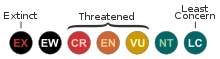
IUCN Red List
Growth: S = slow M = medium F = fast. Soil: L = light (sandy) M = medium H = heavy (clay). pH: A = acid N = neutral B = basic (alkaline). Shade: F = full shade S = semi-shade N = no shade. Moisture: D = dry M = Moist We = wet Wa = water.
Now available:
Food Forest Plants for Mediterranean Conditions
350+ Perennial Plants For Mediterranean and Drier Food Forests and Permaculture Gardens.
[Paperback and eBook]
This is the third in Plants For A Future's series of plant guides for food forests tailored to
specific climate zones. Following volumes on temperate and tropical ecosystems, this book focuses
on species suited to Mediterranean conditions—regions with hot, dry summers and cool, wet winters,
often facing the added challenge of climate change.
Read More
Expert comment
Author
Lam.
Botanical References
17
Links / References
For a list of references used on this page please go here
Readers comment