Translate this page:
Summary
Fouquieria splendens,
The flowers of Ocotillo are used in a variety of ways. They are soaked in water overnight to make a refreshing drink. They are dried and brewed as tea. The capsules and flowers are eaten raw or cooked, offering a tangy flavour. The seeds of Ocotillo are dried, ground into flour, and used to make cakes.
Ocotillo thrives in arid and semi-arid regions. It is not a true cactus but is highly drought-tolerant and ideal for xeriscaping. It requires desert-like conditions, with excellent drainage and full sun. Ocotillo branches are known to be flexible and robust, making them suitable for building temporary or even long-lasting structures like ramadas or shelters. Ocotillo flowers produce nectar, a significant food source for hummingbirds, particularly during migration. The brightly coloured flowers also attract bees and other pollinators. Ocotillo provides habitat and cover for small animals. Its thorny structure offers protection from predators. Ocotillo is native to Southern California, Southwestern Texas, and Northern & Western Mexico. Ocotillo (Fouquieria splendens) is the sole species in the Ocotillo family (Fouquieriaceae) found in the United States. Common names include ocotillo, coach-whip, candlewood, vine cactus, Jacob’s staff, and desert coral. It is hardy in USDA Zones 7–11 and typically grows 2–6 m tall with a spread of 1.5–4 m. Mature plants consist of numerous tall, wand-like stems arising from a central crown.
Physical Characteristics

 Fouquieria splendens is a deciduous Shrub growing to 6 m (19ft) by 4 m (13ft) at a slow rate.
See above for USDA hardiness. It is hardy to UK zone 9. The plant is self-fertile.
It is noted for attracting wildlife.
Suitable for: light (sandy), medium (loamy) and heavy (clay) soils, prefers well-drained soil and can grow in nutritionally poor soil. Suitable pH: mildly acid, neutral and basic (mildly alkaline) soils and can grow in very alkaline soils.
It cannot grow in the shade. It prefers dry soil and can tolerate drought.
UK Hardiness Map
US Hardiness Map
Synonyms
Fouquieria spinosa Torr. Idria columnaria Kellogg
Plant Habitats
Edible Uses
Edible Parts: Flowers Seed
Edible Uses:
Edible Portion: Flowers - drink, Seeds, Flowers - nectar. Flowers, young leaves, and seeds have all been used historically. Of these, the flowers are by far the most palatable and useful. The leaves are strongly astringent and often irritating, while the seeds can produce an unpleasant stinging sensation. Most modern foragers value ocotillo for beverages rather than calories [2-3]. Edible Uses & Rating: Flowers can be eaten fresh in moderation, steeped in cool water to make a refreshing beverage, or used as a garnish. Young leaves are technically edible but generally unpalatable. Seeds have little practical food value. Overall food rating: 2/5. Beverage rating: 3/5 [2-3]. Taste, Processing & Culinary Notes: The bright red flowers contain nectar and have a mild sweetness balanced by varying levels of astringency. Petals are the preferred portion, while the calyces tend to be bitter and are best removed. Cold-water infusions generally produce the best results, creating a refreshing drink with subtle floral notes. Hot-water preparations often extract bitterness and tannins [2-3]. Young leaves have a lettuce-like flavor overwhelmed by strong astringency and a noticeable burning sensation. Older leaves are consistently less palatable. The seeds are flat, hairy, and difficult to utilize effectively. Grinding produces a flour-like material, but irritating compounds and hairs greatly reduce its usefulness. Seasonality (Phenology): Ocotillo flowers primarily from March through August, though blooming can vary depending on rainfall and elevation. Leaves emerge rapidly following rain events and may appear several times during a single growing season. Seeds mature shortly after flowering and are dispersed when the capsules split open. Safety & Cautions: Exercise moderation when consuming any part of ocotillo. The leaves and seeds contain compounds that may cause irritation and discomfort. Oxalate crystals are likely responsible for much of the burning sensation reported when consuming leaves and seeds. Only small quantities should be sampled initially [2-3]. Harvest & Processing: Flower clusters are easiest to harvest when fully open. The bright red corollas detach readily from the flower spikes. Remove bitter calyces before use. For beverages, steep fresh flowers briefly in cool water. Leaves should be gathered young and tender if experimentation is desired. Seed collection is difficult because mature capsules open suddenly and release the seeds. Identification: Ocotillo is unmistakable. Numerous long, whip-like stems arise from a central base and are armed with stout spines. Leaves appear in clusters after rainfall and may disappear during dry periods. Large terminal clusters of brilliant red tubular flowers crown the stems during flowering season [2-3]. The flowers are soaked in water overnight and used as a drink. This is sometimes mixed with other juices. Flowers are collected, dried, and used as a tea. The capsules and flowers can be eaten raw or cooked and have a tangy flavour. The parched seeds are ground into flour and used for cakes [183].
References More on Edible Uses
Medicinal Uses
Plants For A Future can not take any responsibility for any adverse effects from the use of plants. Always seek advice from a professional before using a plant medicinally.
Urinary
A fresh bark tincture can be made from the bark useful for fluid congestion. A water bath containing crushed flowers or roots has been used to relieve fatigue. Native Americans place the flowers and roots over fresh wounds to slow bleeding. Also used to alleviate coughing, achy limbs, varicose veins, urinary tract infections, cervical varicosities, and benign prostate growths.
References More on Medicinal Uses
The Bookshop: Edible Plant Books
Our Latest books on Perennial Plants For Food Forests and Permaculture Gardens in paperback or digital formats.
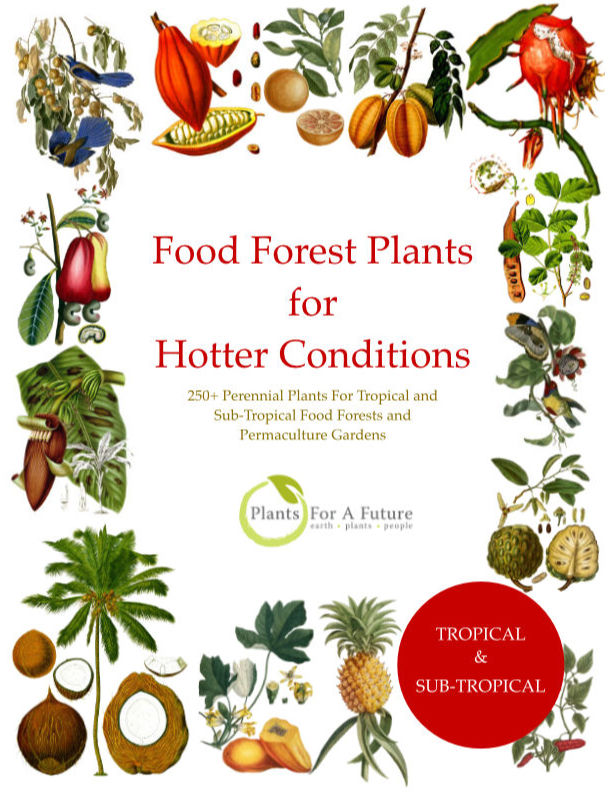
Edible Tropical Plants
Food Forest Plants for Hotter Conditions: 250+ Plants For Tropical Food Forests & Permaculture Gardens.
More
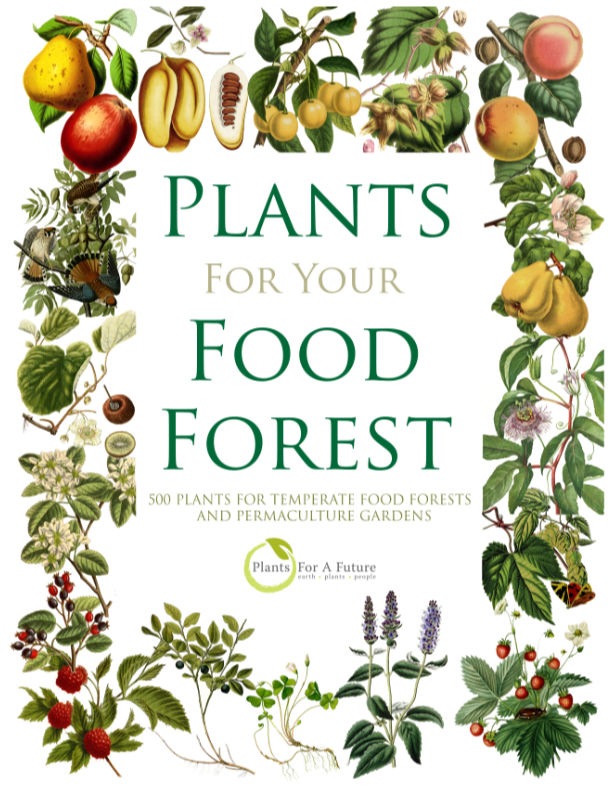
Edible Temperate Plants
Plants for Your Food Forest: 500 Plants for Temperate Food Forests & Permaculture Gardens.
More
More Books
PFAF have eight books available in paperback and digital formats. Browse the shop for more information.
Shop Now
Other Uses
Ecology & Conservation: Ocotillo is a keystone component of many desert ecosystems. Its ability to rapidly respond to rainfall provides food resources for pollinators during otherwise challenging periods. Mature plants may live for many decades and become important structural features of desert habitats. Wildlife Value: The flowers provide valuable nectar for birds and insects. Dense stem clusters provide nesting sites and shelter for desert birds, including cactus wrens, curve-billed thrashers, and other species. Small mammals may use the base of mature plants for cover. Agroforestry uses: Ocotillo can be used as a drought-tolerant landscape plant, providing habitat and food for wildlife. Its structure offers shelter for birds and insects. Poles as a fencing material. Often, roots form a living fence. Ocotillo branches have been used for canes or walking sticks. Attractive to bees, butterflies, and/or birds. Pot plant. Indoor plant. A good specimen, hedge or container plant. 1. Nectary - Flowers rich in nectar and pollen:
Yes – The bright red flowers of Ocotillo are known to produce nectar, attracting pollinators such as hummingbirds, bees, and butterflies.
2. Wildlife - Food (Fruit, Seeds, Leaf litter, Shelter, Nesting, Roosting):
Yes – Ocotillo provides shelter and nesting sites for birds and small animals. Although not known for producing fruit that is a significant food source for wildlife, it contributes to the ecosystem through its dense structure.
3. Invertebrate Shelter (Overwintering sites, Leaf litter, Groundcover):
No – While Ocotillo’s structure provides shelter, it is not particularly noted for offering overwintering sites or producing substantial leaf litter that benefits invertebrates.
4. Pest Confuser (Smell):
No – Ocotillo does not have a strong scent that would act as a pest confuser or deterrent.
Special Uses
Carbon Farming
References More on Other Uses
Cultivation details
Experimental Crop Management: Standard
Climate: warm temperate to tropical. Humidity: arid to semi-arid. Altitude: 0-1500 m. Not a true cactus. Ocotillo prefers full sun and excellent drainage. Once established it is extremely drought tolerant and requires little supplemental irrigation. Overwatering is one of the most common causes of failure in cultivation. Plants are often transplanted as bare-root specimens and may take time to re-establish. Growing Conditions: * Full sun. * Well-drained sandy, gravelly, or rocky soils. * Highly drought-tolerant once established. * Tolerates extreme heat. * Performs best in arid and semi-arid climates. Habitat & Range: Ocotillo is native to the Sonoran, Chihuahuan, and Mojave Deserts of the southwestern United States and northern Mexico. It commonly occurs on rocky slopes, desert flats, bajadas, washes, and gravelly hillsides. Weed Potential: None. Ocotillo is a native desert shrub and does not exhibit invasive tendencies. Pests & Problems: Established plants have few serious pest issues. Poor drainage and excessive irrigation are far more damaging than insects or diseases. Transplanted specimens may experience temporary stem dieback before re-establishing. Drought-tolerant; suitable for xeriscaping - needs desert conditions, excellent drainage, full sun, no extra water. Soil pH requirements: 6.1 (mildly acidic) to 7.8 (mildly alkaline). Carbon Farming Solutions - Cultivation: experimental. Management: standard (Describes the non-destructive management systems that are used in cultivation) [1-1]. Ocotillo is generally considered self-fertile, although cross-pollination can occur. The flowers can be harvested in spring when they bloom. Ocotillo typically flowers in spring. Ocotillo is a moderately fast-growing plant, particularly in optimal conditions, reaching heights of up to 20 feet (6 meters) over several years. However, growth can slow during dry periods.
Carbon Farming
-
Experimental Crop
Plant breeders are testing these plants to see if they could be domesticated for cultivation, but they are still in an experimental phase. Examples include milkweed and leafy spurge.
-
Management: Standard
Plants grow to their standard height. Harvest fruit, seeds, or other products. Non-Destructive management systems.
References Carbon Farming Information and Carbon Sequestration Information
Temperature Converter
Type a value in the Celsius field to convert the value to Fahrenheit:
Fahrenheit:
The PFAF Bookshop
Plants For A Future have a number of books available in paperback and digital form. Book titles include Edible Plants, Edible Perennials, Edible Trees,Edible Shrubs, Woodland Gardening, and Temperate Food Forest Plants. Our new book is Food Forest Plants For Hotter Conditions (Tropical and Sub-Tropical).
Shop Now
Plant Propagation
Seed; direct sow outdoors in fall. Woody stem cuttings. Softwood cuttings.
Other Names
If available other names are mentioned here
Vine Cactus, Coach-whip, Coachwhip, Slimwood, Desert Coral, Jacob's Staff, Boojum, Candle bush, Candelwood, Jacob cactus, Ocotillo del Coral, Barda, Albarda
Native Range
NORTHERN AMERICA: United States (New Mexico (south), Texas, Arizona, California (south), Nevada (south)), Mexico (Baja, Chihuahua, Coahuila de Zaragoza, Durango, Nuevo León (southwest), San Luis Potosí, Sonora, Tamaulipas (south), Zacatecas, Guerrero, Hidalgo, Querétaro)
Weed Potential
Right plant wrong place. We are currently updating this section.
Please note that a plant may be invasive in one area but may not in your area so it's worth checking.
None. Ocotillo is a native desert shrub and does not exhibit invasive tendencies.
Conservation Status
IUCN Red List of Threatened Plants Status : This taxon has not yet been assessed
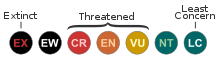
Growth: S = slow M = medium F = fast. Soil: L = light (sandy) M = medium H = heavy (clay). pH: A = acid N = neutral B = basic (alkaline). Shade: F = full shade S = semi-shade N = no shade. Moisture: D = dry M = Moist We = wet Wa = water.
Now available:
Food Forest Plants for Mediterranean Conditions
350+ Perennial Plants For Mediterranean and Drier Food Forests and Permaculture Gardens.
[Paperback and eBook]
This is the third in Plants For A Future's series of plant guides for food forests tailored to
specific climate zones. Following volumes on temperate and tropical ecosystems, this book focuses
on species suited to Mediterranean conditions—regions with hot, dry summers and cool, wet winters,
often facing the added challenge of climate change.
Read More
Expert comment
Author
Engelm
Botanical References
Links / References
For a list of references used on this page please go here
Readers comment
| Add a comment |
|
If you have important information about this plant that may help other users please add a comment or link below. Only comments or links that are felt to be directly relevant to a plant will be included. If you think a comment/link or information contained on this page is inaccurate or misleading we would welcome your feedback at [email protected]. If you have questions about a plant please use the Forum on this website as we do not have the resources to answer questions ourselves.
* Please note: the comments by website users are not necessarily those held by PFAF and may give misleading or inaccurate information.
|
Subject : Fouquieria splendens
|
|
|
|