Translate this page:
Summary
Physical Characteristics

 Lepidium meyenii is a PERENNIAL growing to 0.1 m (0ft 4in) by 0.3 m (1ft).
It is not frost tender. The species is hermaphrodite (has both male and female organs) and is pollinated by Insects. The plant is self-fertile.
Suitable for: light (sandy), medium (loamy) and heavy (clay) soils. Suitable pH: mildly acid, neutral and basic (mildly alkaline) soils. It can grow in semi-shade (light woodland) or no shade. It prefers moist soil.
UK Hardiness Map
US Hardiness Map
Synonyms
Plant Habitats
Cultivated Beds;
Edible Uses
Edible Parts: Leaves Root
Edible Uses:
Root - cooked. Sweet and pleasantly flavoured[183]. They can be slowly baked[183]. After being dried they are cooked in water to make a sweet aromatic porridge that is called 'mazamorra' in S. America[183]. The nutritional value of dried Maca root is high, resembling cereal grains such as maize, rice and wheat. It has 59% carbohydrates, 10.2% protein, 8.5% fibre and 2.2% lipids.(263) It has a large amount of essential amino acids and higher levels of iron and calcium than potatoes.(263) Maca contains important amounts of fatty acids including linolenic, palmitic and oleic acids. It is rich in sterols and has a high mineral content as well[263]. The root resembles a small pear in both size and shape and is up to 8cm in diameter[183, 196]. The dried root contains about 13 - 16% protein and is rich in essential amino acids[196]. The fresh root is unusually high in iodine and iron[196]. The root does also contain small amounts of alkaloids, tannin and saponins[196]. The dried roots store well, 7 year old roots still had 9 - 10% protein[196]. Dried roots are brown, soft and sweet with a musky flavour, they retain their flavour for at least 2 years. Young leaves[183, 193] - raw or cooked[46, 61]. A hot cress-like flavour.
References More on Edible Uses
Medicinal Uses
Plants For A Future can not take any responsibility for any adverse effects from the use of plants. Always seek advice from a professional before using a plant medicinally.
Adaptogen Aphrodisiac Cancer Infertility Nutritive Tonic
Maca is a little known herbal remedy and high energy food. It is growing in popularity due to its energizing effects, fertility enhancement and aphrodisiac qualities. Other traditional uses include increasing energy, stamina and endurance in athletes, promoting mental clarity, treating male impotence, and helping with menstrual irregularities and female hormonal imbalances including menopause and chronic fatigue syndrome[263].The roots are antifatigue, aphrodisiac, nutritive, immunostimulant, steroidal and tonic[263]. Maca, as with all crucifers, contains glucosinolates and isothiocyanates which have been shown to exhibit anticarcinogenicity by blocking formation of endogenous or exogenous carcinogens and so preventing initiation of carcinogenesis[263]. Naturally occurring and synthetic isothiocyanates are among the most effective chemopreventive agents known[263]. A wide variety of isothiocyanates prevent cancer of various tissues including the rat lung, mammary gland, oesophagus, liver, small intestine, colon, and bladder[263]. Non-published data suggests Maca has this same effect. Surprisingly, there is no apparent traditional use of Maca in the treatment of cancer[263]. In traditional Peruvian herbal medicine, Maca is used as an immunostimulant and in the treatment of anaemia, tuberculosis, menstrual disorders, menopause symptoms, stomach cancer, sterility and other reproductive and sexual disorders as well as to enhance memory[263]. A chemical analysis conducted in 1981 showed the presence of biologically active aromatic isothiocyanates, especially p-methoxybenzyl isothiocyanate, which have reputed aphrodisiac properties[263]. Initial analysis of Maca indicate that the effects on fertility are a result of the glucosinolates. Alkaloids are also present, but have not yet been quantified.(263). There are reports that this plant can cure many problems of infertility[196].
References More on Medicinal Uses
The Bookshop: Edible Plant Books
Our Latest books on Perennial Plants For Food Forests and Permaculture Gardens in paperback or digital formats.
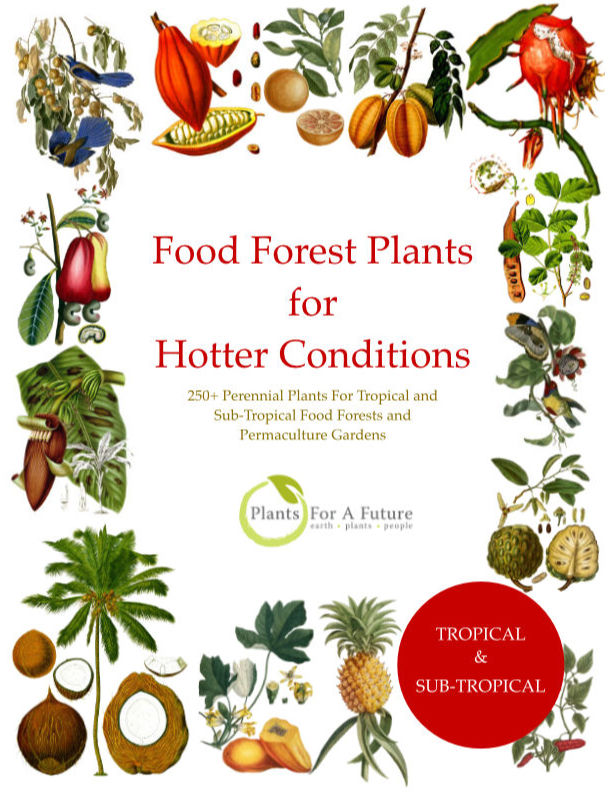
Edible Tropical Plants
Food Forest Plants for Hotter Conditions: 250+ Plants For Tropical Food Forests & Permaculture Gardens.
More
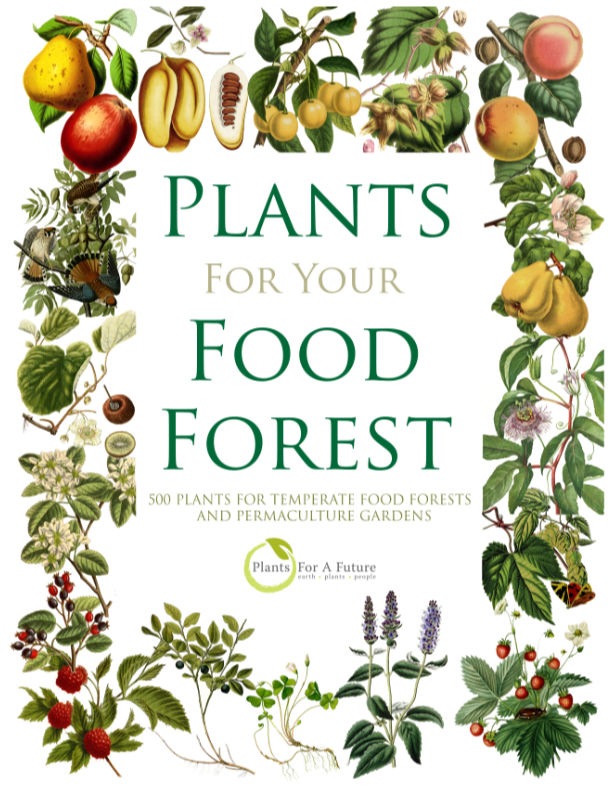
Edible Temperate Plants
Plants for Your Food Forest: 500 Plants for Temperate Food Forests & Permaculture Gardens.
More
More Books
PFAF have eight books available in paperback and digital formats. Browse the shop for more information.
Shop Now
Other Uses
References More on Other Uses
Cultivation details
Maca grows at high altitudes in the Andes is an inhospitable region of intense sunlight, violent winds and below freezing weather. With its extreme temperatures and poor rocky soil, the area rates among the world's worst farmland, yet over the centuries, Maca learned to flourish under these conditions[263]. The plant is said to deplete the soil in which it is grown. In S. America it is grown on a 10 year rotation, leaving the fields fallow for the next nine years to recover before their next crop[196]. It is most likely that the problem lies with the nutrient-poor and fragile soils that the plant is usually grown in, rather than the greed of the plant[196]. Plants grow in areas where frosts are common throughout the growing season and they are said to tolerate temperatures down to at least -10°, perhaps to -20°c if given a good mulch[196]. The main problem with growing them in the British climate is that they might need the rarefied heights of the Andes with thinner air and more intense solar radiation. It is quite likely that they will be unhappy in the moist and relatively sunless climate of this country[K]. Cultivated as a vegetable in the Andes of S. America[61], this species is probably grown at higher elevations than any other cultivated food crop[196]. There are some named forms[196]. The roots are usually harvested 6 - 7 months after sowing the seed, though they can take 9 months to mature[196]. Yields of 20 tonnes per hectare are possible[196]. Plants are self-fertile[196]. They are also quite possibly allelopathic (inhibiting the growth of nearby plants)[196].
References Carbon Farming Information and Carbon Sequestration Information
Temperature Converter
Type a value in the Celsius field to convert the value to Fahrenheit:
Fahrenheit:
The PFAF Bookshop
Plants For A Future have a number of books available in paperback and digital form. Book titles include Edible Plants, Edible Perennials, Edible Trees,Edible Shrubs, Woodland Gardening, and Temperate Food Forest Plants. Our new book is Food Forest Plants For Hotter Conditions (Tropical and Sub-Tropical).
Shop Now
Plant Propagation
Seed - sow spring in a cold frame. When they are large enough to handle, prick the seedlings out into individual pots and grow them on in the greenhouse for their first winter. Plant them out into their permanent positions in late spring or early summer, after the last expected frosts. Division in spring.
Other Names
If available other names are mentioned here
Native Plant Search
Search over 900 plants ideal for food forests and permaculture gardens. Filter to search native plants to your area. The plants selected are the plants in our book 'Plants For Your Food Forest: 500 Plants for Temperate Food Forests and Permaculture Gardens, as well as plants chosen for our forthcoming related books for Tropical/Hot Wet Climates and Mediterranean/Hot Dry Climates. Native Plant Search
Found In
Countries where the plant has been found are listed here if the information is available
Weed Potential
Right plant wrong place. We are currently updating this section.
Please note that a plant may be invasive in one area but may not in your area so it’s worth checking.
Conservation Status
IUCN Red List of Threatened Plants Status :
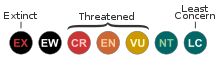
Growth: S = slow M = medium F = fast. Soil: L = light (sandy) M = medium H = heavy (clay). pH: A = acid N = neutral B = basic (alkaline). Shade: F = full shade S = semi-shade N = no shade. Moisture: D = dry M = Moist We = wet Wa = water.

Expert comment
Author
Walp.
Botanical References
Links / References
For a list of references used on this page please go here
Readers comment