Translate this page:
Summary
Senegalia greggii is a heavily armed, deciduous shrub or small tree growing from 1 - 9 metres tall[1050 ]. In favoured sites, the tree can reach 11 metres, with a trunk up to 30cm in diameter[1050 ]. The plant is used traditionally as a food, medicine and source of materials. It produces a good quality wood that is used for cabinet work, craft items etc. The plant is of high value in land restoration projects. Immature green pods are edible after thorough boiling in several changes of water to remove tannins and toxins. The flavor is reminiscent of green beans with a bitter accent, though the pods remain fibrous and tough to chew. Mature seeds are acrid and inedible, even after cooking.
Physical Characteristics

 Senegalia greggii is a deciduous Tree growing to 6 m (19ft) by 6 m (19ft) at a slow rate.
See above for USDA hardiness. It is hardy to UK zone 8 and is not frost tender. The flowers are pollinated by Insects.
It is noted for attracting wildlife.
Suitable for: light (sandy), medium (loamy) and heavy (clay) soils, prefers well-drained soil and can grow in nutritionally poor soil. Suitable pH: mildly acid, neutral and basic (mildly alkaline) soils. It cannot grow in the shade. It prefers dry or moist soil and can tolerate drought.
UK Hardiness Map
US Hardiness Map
Synonyms
Acacia greggii A.Gray. Acacia durandiana Buckley. Acacia rotundata Benth. Mimosa rotundata Pav. ex Benth.
Plant Habitats
Edible Uses
Seed and seedpods - fresh, dried, or ground into powder[1438 ]. A bitter flavour, they are generally only eaten when better foods are not available[128 , 1050 ]. The pods were eaten[1050 ]. The seeds are round and typically 5 - 7mm in size[1050 ]. Catclaw acacia (Acacia greggii = Senegalia greggii) is a thorny shrub or small tree of the bean family that provides a limited but noteworthy food resource. The edible stage is the immature seedpods, which appear in early summer soon after flowering. At first, the pods are small, dull green, and often hairy. They can be gathered and cooked before the seeds begin to develop; once the seeds enlarge, the pods become too tough to be used as a vegetable. Raw pods are inedible due to extremely high tannin content and cyanide-based compounds. They must be boiled in several changes of water until the liquid stops turning brown. This process reduces tannins, neutralizes toxins, and improves the flavor. Thoroughly boiled pods have a taste somewhat like green beans, though with a persistent bitter note. Unfortunately, boiling does not remove the fibrous, stringy texture, so chewing remains a laborious process. Even after long cooking, much of the pod remains as fibrous debris, though the edible portions can be chewed out. Mature pods turn reddish-brown and twisted, containing flat, round, shiny black seeds. These beans have an intensely acrid, unpleasant taste, and no preparation method is known that makes them edible. Their consumption is not recommended. In contrast, the immature green pods—though difficult to chew—can serve as a survival food when carefully prepared. Gathering the pods is straightforward, though the plant’s sharp thorns make harvesting a painful task without care [2-3].
References More on Edible Uses
Medicinal Uses
Plants For A Future can not take any responsibility for any adverse effects from the use of plants. Always seek advice from a professional before using a plant medicinally.
The pods are used to make an eyewash to treat conjunctivitis[1050 ]. The leaves and pods, when ground into powder, will stop small amounts of bleeding and soothe chafed skin or diaper rash. When this powder is made into a tea, it can be used as an antimicrobial wash or drunk to treat diarrhea and dysentery. Native Americans used catclaw acacia to soothe sore flank and back muscles of their horses[1050 ]. The flowers and leaves in tea can treat nausea, vomiting, and hangovers[1050 ]. The thick, sticky catclaw acacia root, when made into tea, treats sore throats, mouth inflammations, and coughs[1050 ].
References More on Medicinal Uses
The Bookshop: Edible Plant Books
Our Latest books on Perennial Plants For Food Forests and Permaculture Gardens in paperback or digital formats.
Edible Tropical Plants
Food Forest Plants for Hotter Conditions: 250+ Plants For Tropical Food Forests & Permaculture Gardens.
More
Edible Temperate Plants
Plants for Your Food Forest: 500 Plants for Temperate Food Forests & Permaculture Gardens.
More
More Books
PFAF have eight books available in paperback and digital formats. Browse the shop for more information.
Shop Now
Other Uses
Agroforestry Uses: Catclaw acacia is a valuable plant for use in restoration projects in sites such as asbestos and mining waste, and other disturbed sites. It is usually planted as young trees, but is also sometimes used in seed mixes. By using tillage, mulch, and site-adapted seed along a pipeline corridor in Arizona, the revegetated site closely resembled nearby undisturbed sites just 10 years after planting[1050 ]. Transplants were 100% successful on an abandoned asbestos milling site, even though there was considerable rodent herbivory in the area[1050 ]. Seedlings also survived on a gold mine spoils site in the Mohave Desert. Survival rates were not reported[1050 ]. Catclaw acacia was one of many species used to revegetate disturbed sites (road side cuts, mining sites, eroded hillsides, and gullies) by the Utah Division of Wildlife Resources and other cooperators. In southern desert shrubland areas, catclaw acacia established well when transplanted, spread well by seed, and survived on alkaline or acidic soils. In categories of natural vegetative spread, growth rate, soil stability, and disturbance tolerance, catclaw acacia received mid level ratings[1050 ]. Other Uses: The wood is strong, hard, tight grained, and heavy. It is used for cabinets, turnery, and fencing. The contrasting reddish brown heart wood and yellow sapwood makes it valuable for making souvenirs[1050 ]. The wood has been used as a fuel[1050 ].
Special Uses
References More on Other Uses
Cultivation details
Senegalia greggii is a plant of arid and semi-arid regions of southwestern N. America, where it is found at elevations up to 1,800 metres. It grows in areas where summers can vary from warm to hot with highs ranging from 21 - 49°c, and winter temperatures can fall as low as -10°c in some areas whilst in others, they do not go below zero. Rainfall can vary from as little as 65mm a year in the most arid regions up to 500mm[1050 ]. The plant requires a sunny position in a well-drained soil. The desert soils typical of catclaw acacia habitat are low in organic matter, can be slightly acidic to slightly alkaline, are often shallow (less than 30.5cm) deep), and commonly contain calcium carbonate in the upper 2 metres of soil. The caliche layer can be thick and impenetrable[1050 ]. Although it is usually top-killed, the plant generally resprouts very freely following a fire[1050 ]. Catclaw acacia is highly adapted to harsh desert conditions. A deep root system, high water use efficiency, high photosynthetic capacity, and use of the C3 photosynthetic pathway allow catclaw acacia to thrive in harsh desert climates. Catclaw acacia roots greater than 5.5 metres deep have been recorded in southeastern Arizona. On a wash site in the Gold Valley of the Mohave Desert, 55% of the total catclaw acacia dry weight was root[1050 ]. Plants are known to live for at least 120 years[1050 ]. Although many species within the family Fabaceae have a symbiotic relationship with soil bacteria, this species is said to be devoid of such a relationship and therefore does not fix atmospheric nitrogen[1050 ]. Catclaw acacia (Acacia greggii = Senegalia greggii) is native to the deserts and dry foothills of the southwestern United States and northern Mexico. Based on its natural distribution, it is suited to USDA Hardiness Zones 7 through 10, where winters are mild and summers are hot. It tolerates drought and thrives in poor, sandy, or rocky soils typical of arid environments.
References Carbon Farming Information and Carbon Sequestration Information
Temperature Converter
Type a value in the Celsius field to convert the value to Fahrenheit:
Fahrenheit:
The PFAF Bookshop
Plants For A Future have a number of books available in paperback and digital form. Book titles include Edible Plants, Edible Perennials, Edible Trees,Edible Shrubs, Woodland Gardening, and Temperate Food Forest Plants. Our new book is Food Forest Plants For Hotter Conditions (Tropical and Sub-Tropical).
Shop Now
Plant Propagation
Seed - best sown as soon as it is ripe in a sunny position in a warm greenhouse[1 ].The dried seed of most, if not all, members of this genus has a hard seedcoat and may benefit from scarification before sowing to speed up germination. This can usually be done by pouring a small amount of nearly boiling water on the seeds (being careful not to cook them!) and then soaking them for 12 - 24 hours in warm water. By this time they should have imbibed moisture and swollen - if they have not, then carefully make a nick in the seedcoat (being careful not to damage the embryo) and soak for a further 12 hours before sowing. Sow the seed in Spring in a greenhouse. As soon as the seedlings are large enough to handle, prick them out into individual pots and grow them on in a sunny position in the greenhouse for their first winter. Plant them out in late spring or early summer, after the last expected frosts, and consider giving them some protection from the cold for their first winter outdoors. Acacia seeds that have matured fully on the bush and have been properly dried have a hard seed coat and can be stored in closed containers without deterioration for 5 - 10 years or more in dry conditions at ambient temperatures. It is best to remove the aril, which attracts weevils and can lead to moulds forming. The arils are easilyremoved by placing the seeds in water and rubbing them between the hands, then drying the seeds and winnowing them[1294 ]. When growing catclaw acacia seed in containers, a tall container is recommended to house the rapidly developing root system[1050 ]. The root length of catclaw acacia seedlings was greater than 60cm 4 - 5 months after planting on watered sites[1050 ].
Other Names
If available other names are mentioned here
Acacia Catclaw, Catclaw
Native Range
Native to: Arizona, California, Mexico Northeast, Mexico Northwest, Nevada, New Mexico, Texas. Introduced into: Iraq.
Weed Potential
Right plant wrong place. We are currently updating this section.
Please note that a plant may be invasive in one area but may not in your area so it's worth checking.
This species is not regarded as invasive or aggressively weedy. It is a slow-growing native tree that tends to stay within its natural desert and canyon habitats. While it can form dense, thorny thickets that are difficult to pass through, these are natural growth patterns rather than signs of weedy spread. Its reproduction is moderate, and it does not readily colonize areas outside its native range.
Conservation Status
IUCN Red List of Threatened Plants Status : Least Concern
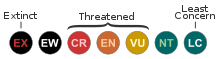
Growth: S = slow M = medium F = fast. Soil: L = light (sandy) M = medium H = heavy (clay). pH: A = acid N = neutral B = basic (alkaline). Shade: F = full shade S = semi-shade N = no shade. Moisture: D = dry M = Moist We = wet Wa = water.
Now available:
Food Forest Plants for Mediterranean Conditions
350+ Perennial Plants For Mediterranean and Drier Food Forests and Permaculture Gardens.
[Paperback and eBook]
This is the third in Plants For A Future's series of plant guides for food forests tailored to
specific climate zones. Following volumes on temperate and tropical ecosystems, this book focuses
on species suited to Mediterranean conditions—regions with hot, dry summers and cool, wet winters,
often facing the added challenge of climate change.
Read More
Expert comment
Author
(A.Gray) Britton & Rose
Botanical References
Links / References
For a list of references used on this page please go here
A special thanks to Ken Fern for some of the information used on this page.
Readers comment
| Add a comment |
|
If you have important information about this plant that may help other users please add a comment or link below. Only comments or links that are felt to be directly relevant to a plant will be included. If you think a comment/link or information contained on this page is inaccurate or misleading we would welcome your feedback at [email protected]. If you have questions about a plant please use the Forum on this website as we do not have the resources to answer questions ourselves.
* Please note: the comments by website users are not necessarily those held by PFAF and may give misleading or inaccurate information.
|
Subject : Senegalia greggii
|
|
|
|