Translate this page:
Summary
An annual herb native to North America. It has been introduced to Western Asia and Central and Eastern Europe, where it is invasive. Now known to be a synonym of Cyclachaena xanthifolia. (Nutt.)Fresen.
Physical Characteristics

 Iva xanthifolia is a ANNUAL growing to 1 m (3ft 3in). The species is hermaphrodite (has both male and female organs).
Suitable for: light (sandy), medium (loamy) and heavy (clay) soils, prefers well-drained soil and can grow in nutritionally poor soil. Suitable pH: mildly acid, neutral and basic (mildly alkaline) soils. It can grow in semi-shade (light woodland) or no shade. It prefers moist soil and can tolerate drought.
UK Hardiness Map
US Hardiness Map
Synonyms
Cyclachaena xanthifolia. (Nutt.)Fresen.
Plant Habitats
Cultivated Beds;
Edible Uses
References More on Edible Uses
Medicinal Uses
Plants For A Future can not take any responsibility for any adverse effects from the use of plants. Always seek advice from a professional before using a plant medicinally.
An infusion or decoction of the plant has been drunk and used as a lotion in the treatment of coughs and influenza[257]. A poultice of the plant has been used in the treatment of boils[257].
References More on Medicinal Uses
The Bookshop: Edible Plant Books
Our Latest books on Perennial Plants For Food Forests and Permaculture Gardens in paperback or digital formats.
Edible Tropical Plants
Food Forest Plants for Hotter Conditions: 250+ Plants For Tropical Food Forests & Permaculture Gardens.
More
Edible Temperate Plants
Plants for Your Food Forest: 500 Plants for Temperate Food Forests & Permaculture Gardens.
More
More Books
PFAF have eight books available in paperback and digital formats. Browse the shop for more information.
Shop Now
Other Uses
A possible substitute for some components of young rabbit forage, as it was palatable to them and had no toxic effects [1d].
Special Uses
References More on Other Uses
Cultivation details
We have very little information on this species and do not know its cultivation needs. However, it is likely to succeed in most soils that are not too heavy or wet and will probably prefer a sunny position. The pollen of this species is one of the main causes of hay fever[257].
References Carbon Farming Information and Carbon Sequestration Information
Temperature Converter
Type a value in the Celsius field to convert the value to Fahrenheit:
Fahrenheit:
The PFAF Bookshop
Plants For A Future have a number of books available in paperback and digital form. Book titles include Edible Plants, Edible Perennials, Edible Trees,Edible Shrubs, Woodland Gardening, and Temperate Food Forest Plants. Our new book is Food Forest Plants For Hotter Conditions (Tropical and Sub-Tropical).
Shop Now
Plant Propagation
Seed -
Other Names
If available other names are mentioned here
English: burweed marsh elder; burweed marshelder; burweed marshelder; carelessweed; false ragweed; giant marshelder; giant sumpweed; horseweed; marsh elder; marshelder; rag sumpweed. Austria: Rispenkrauts.
Native Range
Coming Soon
Weed Potential
Right plant wrong place. We are currently updating this section.
Please note that a plant may be invasive in one area but may not in your area so it’s worth checking.
North America native introduced to Western Asia and Central and Eastern Europe, where it is invasive. The pollen of Iva xanthiifolia can induce allergic diseases and it may become a serious source of allergens in Europe [d]. Recorded infesting sugarbeet fields in Serbia. In Hungary, encroaching Iva xanthifolia threatens spring-sown row crops, such as sunflower, maize and sugarbeet. It can also cause considerable damage to sunflower plantations in Hungary [1d].
Conservation Status
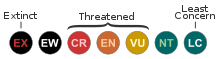
IUCN Red List of Threatened Plants Status : Iva xanthifolia -
Status: Least Concern.
| Related Plants
|
| Latin Name | Common Name | Habit | Height | Hardiness | Growth | Soil | Shade | Moisture | Edible | Medicinal | Other |
| Adenophora divaricata | | Perennial | 1.0 |
-
| | LM | N | M | 2 | 0 | |
| Adonis aestivalis | Pheasant's Eye, Summer pheasant's eye | Annual | 0.3 |
5-9
| | LMH | SN | M | 0 | 1 | |
| Ajuga iva | Herb Ivy | Perennial | 0.0 |
-
| | LMH | SN | M | 0 | 1 | |
| Allium sativum | Garlic, Cultivated garlic | Bulb | 0.6 |
7-10
| M | LM | N | DM | 5 | 5 | 4 |
| Angelica decursiva | | Perennial | 1.5 |
-
| | LMH | SN | M | 2 | 2 | |
| Asclepias sullivantii | Prairie milkweed | Perennial | 1.2 |
0-0
| | L | SN | DM | 0 | 0 | 3 |
| Avena sativa | Oats, Common oat | Annual | 0.9 |
0-0
| | LMH | N | DM | 3 | 3 | 4 |
| Camelina sativa | Gold Of Pleasure | Annual | 0.6 |
6-9
| | LMH | SN | DM | 3 | 0 | 2 |
| Cannabis sativa | Hemp, Marijuana | Annual | 2.5 |
8-11
| | LMH | N | M | 4 | 4 | 4 |
| Carpesium divaricatum | | Perennial | 1.0 |
-
| | LMH | SN | M | 1 | 2 | |
| Castanea sativa | Sweet Chestnut, European chestnut | Tree | 30.0 |
5-7
| M | LMH | N | DM | 5 | 2 | 5 |
| Cotoneaster divaricatus | Spreading Cotoneaster | Shrub | 2.0 |
4-8
| F | LMH | SN | DM | 0 | 0 | 3 |
| Crataegus aestivalis | Eastern Mayhaw, May hawthorn, Mayhaw, Apple Hawthorn | Shrub | 9.0 |
6-11
| M | LMH | SN | MWe | 3 | 2 | 5 |
| Crataegus festiva | | Shrub | 3.0 |
6-9
| | LMH | SN | MWe | 5 | 2 | 2 |
| Eleutherococcus divaricatus | | Shrub | 3.5 |
5-9
| | LMH | SN | M | 2 | 0 | |
| Eruca vesicaria sativa | Rocket | Annual | 0.6 |
6-9
| F | LMH | SN | DM | 4 | 1 | 2 |
| Eurybia divaricata | White wood aster | Perennial | 0.9 |
4-8
| F | LMH | FSN | DM | 2 | 0 | 2 |
| Galanthus nivalis | Snowdrop, Common Snowdrop | Bulb | 0.2 |
3-9
| M | MH | S | M | 0 | 1 | |
| Geum rivale | Water Avens, Purple avens | Perennial | 0.3 |
3-7
| | LMH | SN | MWe | 3 | 2 | 1 |
| Glycyrrhiza glabra | Liquorice, Cultivated licorice | Perennial | 1.2 |
7-10
| | LM | SN | M | 4 | 4 | 4 |
| Hosta tardiva | Nankai-Giboshi | Perennial | 0.5 |
-
| | LMH | SN | DM | 2 | 0 | |
| Iva axillaris | Deathweed, Povertyweed | Perennial | 0.2 |
0-0
| | LMH | SN | M | 0 | 1 | 0 |
| Lactuca sativa | Lettuce, Garden lettuce | Annual/Biennial | 0.9 |
5-9
| | LM | SN | M | 3 | 3 | 1 |
| Lactuca sativa angustana | Celtuce | Annual/Biennial | 0.6 |
5-9
| | LM | SN | M | 3 | 3 | 2 |
| Lactuca sativa capitata | Cabbage Lettuce | Annual/Biennial | 0.9 |
5-9
| | LM | SN | M | 3 | 3 | 2 |
| Lactuca sativa crispa | Cutting Lettuce | Annual/Biennial | 0.9 |
5-9
| | LM | SN | M | 3 | 3 | 2 |
| Lactuca sativa longifolia | Cos Lettuce | Annual/Biennial | 0.9 |
5-9
| | LM | SN | M | 3 | 3 | 2 |
| Lewisia rediviva | Bitter-Root | Perennial | 0.1 |
4-8
| | LM | N | M | 2 | 2 | |
| Madia sativa | Chile Tarweed, Coast tarweed | Annual | 0.8 |
0-0
| | LMH | N | M | 3 | 0 | 2 |
|
|
Growth: S = slow M = medium F = fast. Soil: L = light (sandy) M = medium H = heavy (clay). pH: A = acid N = neutral B = basic (alkaline). Shade: F = full shade S = semi-shade N = no shade. Moisture: D = dry M = Moist We = wet Wa = water.
Expert comment
Author
Nutt.
Botanical References
17
Links / References
For a list of references used on this page please go here
Readers comment
| Add a comment |
|
If you have important information about this plant that may help other users please add a comment or link below. Only comments or links that are felt to be directly relevant to a plant will be included. If you think a comment/link or information contained on this page is inaccurate or misleading we would welcome your feedback at admin@pfaf.org. If you have questions about a plant please use the Forum on this website as we do not have the resources to answer questions ourselves.
* Please note: the comments by website users are not necessarily those held by PFAF and may give misleading or inaccurate information.
To leave a comment please Register or login here All comments need to be approved so will not appear immediately.
|
Subject : Iva xanthifolia
|
|
|