Translate this page:
Summary
Red fireweed is a tall, showy, rhizomatous perennial known for its brilliant magenta flower spikes that light up northern and montane landscapes throughout the summer. Although all major plant parts—roots, shoots, stems, leaves, flowers, and buds—are technically edible, most of them are markedly unpalatable, acrid, or fibrous, limiting the species’ usefulness as food in the Southwest. Fireweed has considerable cultural significance among Indigenous peoples of the Pacific Northwest and subarctic regions, where the spring shoots were historically an important seasonal vegetable. In contrast, its role as a food resource farther south in the mountains of the American Southwest appears to have been minor. The species thrives in cool, moist habitats, especially post-disturbance landscapes such as burned areas or open mountain meadows. Identification is aided by its tall stature, lanceolate alternate leaves, magenta four-petaled flowers, and silky-haired seeds.
Physical Characteristics

 Epilobium angustifolium is a PERENNIAL growing to 1.7 m (5ft) by 1 m (3ft 3in) at a fast rate.
See above for USDA hardiness. It is hardy to UK zone 3 and is not frost tender. It is in flower from July to September, and the seeds ripen from August to October. The species is hermaphrodite (has both male and female organs) and is pollinated by Bees.
It is noted for attracting wildlife.
Suitable for: light (sandy), medium (loamy) and heavy (clay) soils and prefers well-drained soil. Suitable pH: mildly acid, neutral and basic (mildly alkaline) soils. It can grow in semi-shade (light woodland) or no shade. It prefers dry or moist soil.
UK Hardiness Map
US Hardiness Map
Synonyms
Chamaenerion angustifolium. Chamerion angustifolium ssp. angustifolium.
Plant Habitats
Woodland Garden Dappled Shade; Shady Edge; Meadow;
Edible Uses
Edible Parts: Flowers Leaves Root Shoots Stem
Edible Uses: Tea
Fireweed is a multi-part edible plant with the greatest value in its early spring shoots and, to a lesser extent, its flowers and buds. Most other parts are tough, acrid, or unpalatable. It remains more of a survival food or regional specialty than a mainstream wild vegetable in the US Southwest. Edible Uses & Rating: Fireweed is widely described as edible, but its rating as a useful food is highly variable depending on plant part, season, and geography. In northern regions, the tender spring shoots were a valued fresh vegetable and sometimes a staple seasonal food. In the Southwest, its edibility is less relevant due to limited abundance and significantly reduced palatability of most parts. Roots, stems, mature leaves, and rhizomes are generally of low food quality, often acrid or fibrous. Flowers and flower buds offer the mildest and most pleasant taste, but even these retain soapy or acrid undertones. Overall, fireweed is an edible species with limited culinary merit outside its optimal northern range.Leaves and young shoot tips - raw or cooked[2, 5, 12, 62, 172, 183]. They can be used in salads or cooked as a vegetable[9]. When boiled they make a wholesome vegetable and are a good source of vitamins A and C[2, 257]. Only use the leaves when they are young[85]. Although they are said to be edible, another report says that an infusion of them can stupefy[4]. Young shoots - cooked. They make a good asparagus substitute[2, 9, 183, 213]. Root - raw, cooked or dried and ground into a powder[74, 172]. Used in spring, it has a sweet taste[12, 74]. Flower stalks - raw or cooked[85, 106, 172, 183]. Added to salads, they are used when the flowers are in bud[183]. The pith of young or older stems - raw or cooked[62, 99, 183]. Slightly sweet, tender and pleasing to eat, though there is not much of it[85, 172]. Gelatinous[161], it can be used as a flavouring in soups[183]. The stems are said to be a good laxative, but are best not eaten on an empty stomach[256]. A tea is made from the dried leaves[9, 62, 85, 94, 183], it is sweet and pleasant[172]. Called 'kaporie' tea in Russia, it contains 10% tannin[222]. The leaves are also used as an adulterant of China tea[2]. Taste, Processing & Kitchen Notes: The shoots—though not personally sampled in the referenced fieldwork—are widely documented as the best-tasting component. They are typically eaten fresh or lightly cooked early in spring, before elongation and fibre development. Roots are often disappointing: they combine mucilage, acridity, and woody fibres, sometimes soft when freshly growing but more often tough and hard to chew. Boiling softens them slightly but does not remove the acrid “peppery” burn characteristic of the plant’s chemistry [2-3]. Stems contain pith that can be scraped out, but obtaining a usable quantity is labour-intensive, especially in older or slender stems. All stem components share the same acrid flavours as the root. Leaves can be consumed raw or cooked, but they are thick, waxy, bitter, and soapy, and often produce a mild burning sensation due to oxalates. Cooking extracts some bitterness but yields an unpleasant-smelling wastewater and only marginally improves flavour. Flowers and buds are the most palatable elements, bearing faint sweetness that softens their bitter undertone. Boiling them removes color and reduces harshness, making them acceptable as a potherb. Overall, most parts of fireweed are nutritionally useful but sensorially challenging [2-3]. Seasonality (Phenology): Fireweed emerges in early spring as new shoots break through the soil from overwintering rhizomes. These shoots represent the most useful edible stage. The plants then elongate through spring and early summer, producing leaves along the tall central stem. Flowering typically occurs from June through September, varying with elevation and latitude. Capsules mature in late summer to autumn, eventually splitting to release windborne seeds. Colonies can be identified in late summer when they bloom in spectacular purple swaths, providing an easy way to locate shoot-harvesting grounds for the following year. Safety & Cautions (Food Use): Fireweed is generally considered safe to eat in moderate quantities, but several parts—particularly roots, mature stems, and older leaves—contain irritating compounds that cause acrid or peppery sensations. Oxalates in leaves may cause mouth or throat irritation, especially when eaten raw. Cooking reduces but does not eliminate harsh flavours. As with many wild greens, overconsumption may cause digestive discomfort. Individuals with sensitivity to oxalates should exercise caution. Harvest & Processing Workflow: The most desirable stage for harvest is early spring, when the young shoots emerge and have not yet developed fibre or acridity. Shoots can be eaten raw or lightly cooked. Leaves may be harvested throughout the season but are best taken young. Washing thoroughly removes waxy surface residues and environmental dust, especially in post-fire landscapes. Flowers and buds can be gathered mid-summer for immediate cooking or drying. Older stems and roots are rarely worth processing due to toughness and unappealing flavour, though boiling may render them marginally more palatable. Cultivar/Selection Notes: No named cultivars exist. All plants in cultivation represent wild genotypes, often selected for ornamental rather than edible purposes. Variation occurs naturally across its wide geographic range. Look-Alikes & Confusion Risks: Fireweed can be confused with tall willowherbs (Epilobium spp.), but key distinctions include the absence of a floral tube above the ovary in fireweed, larger and more uniformly shaped petals that lack notches, and the plant’s overall larger, more upright stature. The long terminal racemes of bright magenta flowers are distinctive. Seed capsules of both groups split into four segments, but fireweed’s capsules tend to be longer and more robust. The plant’s striking height and colour usually prevent serious misidentification. Traditional / Indigenous Use Summary: For many northern Indigenous cultures, especially the Haida and other Northwest Coast groups, fireweed shoots were a valued spring vegetable and part of seasonal food ceremonies. Other parts of the plant had minor uses, including fibre, medicine, and occasionally potherbs. In the American Southwest, ethnobotanical accounts of fireweed as a food source are sparse, likely due to limited abundance and poor flavour of most plant parts. Despite this, widespread Indigenous knowledge consistently acknowledges the plant’s theoretical edibility.
References More on Edible Uses
Medicinal Uses
Plants For A Future can not take any responsibility for any adverse effects from the use of plants. Always seek advice from a professional before using a plant medicinally.
Antiinflammatory Antispasmodic Astringent Demulcent Dysentery Emollient Hypnotic Laxative
Poultice Tonic
Willow herb is often used as a domestic herbal remedy, though it is little used in conventional herbalism. The herb is antispasmodic, astringent, demulcent, emollient, hypnotic, laxative and tonic[4, 7, 172, 192]. It is used in the treatment of diarrhoea, mucous colitis and irritable bowel syndrome[254]. The plant is used in Germany and Austria to treat prostate problems[254]. A poultice of the leaves is applied to mouth ulcers[222]. An extract of the leaves has anti-inflammatory activity[222]. An ointment made from the leaves has been used to soothe skin problems in children[254]. A tea made from the leaves and roots is a folk remedy for dysentery and abdominal cramps[222]. A poultice made from the peeled roots is applied to burns, skin sores, swellings, boils etc[222, 257].
References More on Medicinal Uses
The Bookshop: Edible Plant Books
Our Latest books on Perennial Plants For Food Forests and Permaculture Gardens in paperback or digital formats.
Edible Tropical Plants
Food Forest Plants for Hotter Conditions: 250+ Plants For Tropical Food Forests & Permaculture Gardens.
More
Edible Temperate Plants
Plants for Your Food Forest: 500 Plants for Temperate Food Forests & Permaculture Gardens.
More
More Books
PFAF have eight books available in paperback and digital formats. Browse the shop for more information.
Shop Now
Other Uses
Fibre Stuffing Tinder Weather protection
A fibre obtained from the outer stems is used to make cordage[99, 207, 256]. The 'cottony' seed hairs are used as a stuffing material[99, 118] or as a tinder[106, 172]. The powdered inner cortex is applied to the hands and face to give protection from the cold[99, 172, 257]. Well-suited to naturalistic gardens, pollinator plantings, and restoration projects, particularly post-fire revegetation. Ecology & Wildlife: Fireweed is an important ecological species in northern and montane ecosystems. Its abundant nectar supports bees, butterflies, and hummingbirds. The plant is a significant nectar source for many native pollinators. Its seeds provide minimal direct wildlife food value but disperse long distances to colonize new habitats. Dense stands offer cover for small mammals and ground-nesting birds. As one of the first plants to recolonize burned landscapes, fireweed plays a key role in ecological succession and soil recovery.
Special Uses
Attracts Wildlife Food Forest
References More on Other Uses
Cultivation details
Red fireweed is an iconic colonizer of cool, open landscapes, known for its ecological role in post-fire recovery and for its cultural significance in northern regions. Although edible in many parts, the plant offers limited culinary reward in the Southwest due to acrid flavours, fibrous textures, and challenging roots and stems. Its strength lies more in ecology and aesthetic presence than in food value, though knowledgeable foragers may take advantage of the brief spring window when shoots are at their best. An easily grown plant, it prefers a well-drained but moisture retentive soil in a sunny position[200], though it succeeds in most soils[1]. It prefers a moist soil[111], but also succeeds on dry banks[188]. It is best grown in open woodland[1]. Plants are hardy to at least -20°c[187]. The rosebay willowherb spreads vigorously by means of a creeping rhizome, and often forms large patches[187]. It is apt to become a weed especially through its seed which is very light and capable of travelling long distances in the wind. It is often one of the first plants to colonize disturbed areas such as scenes of fires[1, 200]. A very ornamental plant[1], it is the floral emblem of the Yukon[172]. A food plant for the caterpillars of several lepidoptera species[24], it is also a good bee plant[74, 94]. The plant is heat tolerant in zones 7 through 1. (Plant Hardiness Zones show how well plants withstand cold winter temperatures. Plant Heat Zones show when plants would start suffering from the heat. The Plant Heat Zone map is based on the number of "heat days" experienced in a given area where the temperature climbs to over 86 degrees F (30°C). At this temperature, many plants begin to suffer physiological damage. Heat Zones range from 1 (no heat days) to 12 (210 or more heat days). For example Heat Zone. 11-1 indicates that the plant is heat tolerant in zones 11 through 1.) For polyculture design as well as the above-ground architecture (form - tree, shrub etc. and size shown above) information on the habit and root pattern is also useful and given here if available. The plant growth habit is a clumper with limited spread [1-2]. The root pattern is fibrous dividing into a large number of fine roots [1-2]. The root pattern is rhizomatous with underground stems sending roots and shoots along their length [1-2]. Growing Conditions: Red fireweed thrives in cool, moist, well-drained soils and is particularly associated with montane and boreal climates. It grows abundantly in recently burned areas, landslides, logged forests, riverbanks, and open meadows. The species requires full sun or light shade and tends to decline under closed forest canopy. Moist glacial or snowmelt-fed soils favour dense stands. In the Southwest, it is limited to higher elevations where summer heat is moderated and moisture is more predictable. Habitat & Range: Fireweed is circumboreal, occurring across the northern hemisphere in suitable climates. In North America, it stretches from Alaska and Canada through the northern United States, extending southward into high mountains of the Southwest and the Rockies. Within the Southwest, it is locally common in northern Arizona, northern New Mexico, southern Colorado, Utah, and mountain ranges of Nevada. The species is most abundant in recently disturbed or open habitats where competition is low and sunlight is plentiful. Size & Landscape Performance: Plants typically reach heights between three and seventeen decimetres, though under ideal conditions they may exceed this range. The overall appearance is airy yet robust, with tall flowering spikes that can dominate meadow landscapes in midsummer. In gardens, fireweed can serve as an ornamental for naturalistic plantings, especially in cooler climates. The plant spreads readily through rhizomes and can become expansive, but most gardeners appreciate its colony-forming behaviour when cultivated responsibly. Cultivation (Horticulture): Fireweed is relatively easy to cultivate in moist, cool climates. It prefers full sun and fertile, well-drained soils with consistent moisture. In hotter climates, afternoon shade is beneficial. The species is well-suited to naturalistic gardens, pollinator plantings, and restoration projects, particularly post-fire revegetation. Once established, fireweed spreads through rhizomes and may require occasional thinning to prevent overcrowding. It responds well to disturbance and reseeds prolifically. Pests & Problems: Fireweed is generally resilient. Occasional rusts, leaf spots, or insect feeding may occur, but these rarely affect overall health. In very hot or dry conditions, plants may wilt or abort flowers. Excessive shade significantly reduces vigor. In cultivated areas, rhizome spread may need management. Cultivar/Selection Notes: No named cultivars exist. All plants in cultivation represent wild genotypes, often selected for ornamental rather than edible purposes. Variation occurs naturally across its wide geographic range. Pollination: Fireweed is pollinated by a wide spectrum of insects attracted to its nectar-rich flowers, including bumblebees, solitary bees, butterflies, and hoverflies. Its flower structure accommodates multiple pollination strategies, ensuring reliable seed set. Wind dispersal of seeds allows rapid colonisation following fires and other disturbances. Identification & Habit: Red fireweed grows as an upright, rhizomatous perennial, often forming extensive colonies that spread horizontally beneath the soil surface. Stems are tall, slender, and largely unbranched, typically reaching heights between thirty centimetres and over one and a half metres. Leaves are alternate, narrow-lanceolate, and sessile or tapering to short petioles, with entire margins and a prominent pale midrib. Leaf surfaces range from hairless to finely hairy and have a waxy texture, especially on their lower sides. The inflorescences form long, striking terminal racemes, each flower consisting of four pinkish-purple petals, four deciduous sepals, and eight stamens surrounding a long style that ends in a deeply four-lobed stigma. The ovaries are inferior, as in all Onagraceae, and the absence of a floral tube distinguishes Chamerion from Epilobium. When mature, the long, narrow capsules split into four sections, releasing seeds attached to silky white comas that disperse widely on the wind. Plants commonly appear in post-fire landscapes, moist meadows, and cool slopes, forming dense but visually elegant stands.
References Carbon Farming Information and Carbon Sequestration Information
Temperature Converter
Type a value in the Celsius field to convert the value to Fahrenheit:
Fahrenheit:
The PFAF Bookshop
Plants For A Future have a number of books available in paperback and digital form. Book titles include Edible Plants, Edible Perennials, Edible Trees,Edible Shrubs, Woodland Gardening, and Temperate Food Forest Plants. Our new book is Food Forest Plants For Hotter Conditions (Tropical and Sub-Tropical).
Shop Now
Plant Propagation
Propagation occurs via seed or rhizome division. Seeds require light to germinate and readily sprout in moist, cool soils. Because seeds are produced in large quantities and disperse widely, natural recruitment is common. Rhizome segments can be transplanted for rapid colonisation, particularly useful in restoration contexts. No special pretreatments are needed beyond maintaining adequate moisture.
Other Names
If available other names are mentioned here
Rose bay, Fireweed, Willow Herb, Great willowherb, French willow, Almaruat, Kaporuski, Vrbolika, Red fireweed, Great willowherb, fireweed. (Chamerion angustifolium ssp. angustifolium).
Native Range
TEMPERATE ASIA: Amur, Armenia, China, Gansu Sheng, Hebei Sheng, Heilongjiang Sheng, Hokkaidô, Honshu (north), Irkutsk, Japan, Jilin Sheng, Kamcatskij kraj, Kurganskaja oblast, Nei Mongol Zizhiqu, Ningxia Huizi Zizhiqu, Qinghai Sheng, Russian Federation, Russian Federation, Sakhalin, Shanxi Sheng, Sichuan Sheng, Tomsk, Turkey, Xinjiang Uygur Zizhiqu, Xizang Zizhiqu (north & east), Yakutia-Sakha, Yunnan Sheng (northwest),Afghanistan. TROPICAL ASIA: India (north), Pakistan, NORTHERN AMERICA: Canada, Northwest Territories, Yukon, Québec, Newfoundland and Labrador, Saskatchewan, Alberta, Manitoba, British Columbia, United States, Minnesota (n, Colorado, Montana, Washington, Wyoming, Greenland, United States, Alaska, EUROPE: Faroe Islands, Sweden, Austria, Netherlands, Bulgaria, Italy, Portugal,
Weed Potential
Right plant wrong place. We are currently updating this section.
Please note that a plant may be invasive in one area but may not in your area so it's worth checking.
Fireweed is not typically considered an invasive weed, but it can spread aggressively in ideal conditions, especially following soil disturbance. In gardens, it may naturalize beyond planting zones if allowed to set seed freely. In wild habitats, it contributes positively to early successional communities and stabilises soils following fire or logging.
Conservation Status
IUCN Red List of Threatened Plants Status : Epilobium angustifolium (Great Willow Herb): Status: Least Concern
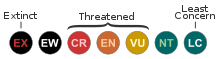
Growth: S = slow M = medium F = fast. Soil: L = light (sandy) M = medium H = heavy (clay). pH: A = acid N = neutral B = basic (alkaline). Shade: F = full shade S = semi-shade N = no shade. Moisture: D = dry M = Moist We = wet Wa = water.
Now available:
Food Forest Plants for Mediterranean Conditions
350+ Perennial Plants For Mediterranean and Drier Food Forests and Permaculture Gardens.
[Paperback and eBook]
This is the third in Plants For A Future's series of plant guides for food forests tailored to
specific climate zones. Following volumes on temperate and tropical ecosystems, this book focuses
on species suited to Mediterranean conditions—regions with hot, dry summers and cool, wet winters,
often facing the added challenge of climate change.
Read More
Expert comment
Author
L.
Botanical References
17200
Links / References
For a list of references used on this page please go here
Readers comment