 |
|
International Institute of Tropical Agriculture |
 |
|
Translate this page:
Summary
Angelique or Dicorynia guianensisi is a tree commonly found in Northern South America that reaches a height of up to 45 m. The bole is straight and cylindrical which can be 150 cm in diameter. The tree is heavily buttressed. It is highly resistant to decays and moderately resistant to marine borers? damage making it ideal for marine constructions. The wood is also used as construction material and for bridge flooring, boat framing, carriage work, crossties, furniture, etc.
Physical Characteristics
 Dicorynia guianensis is an evergreen Tree growing to 35 m (114ft) by 20 m (65ft) at a medium rate.
See above for USDA hardiness. It is hardy to UK zone 10.
It can fix Nitrogen.
Suitable for: light (sandy), medium (loamy) and heavy (clay) soils. Suitable pH: mildly acid, neutral and basic (mildly alkaline) soils. It cannot grow in the shade. It prefers moist or wet soil.
UK Hardiness Map
US Hardiness Map
Synonyms
Plant Habitats
Edible Uses
References More on Edible Uses
Medicinal Uses
Plants For A Future can not take any responsibility for any adverse effects from the use of plants. Always seek advice from a professional before using a plant medicinally.
None known
References More on Medicinal Uses
Other Uses
Furniture Wood
Other Uses: The heartwood is a russet colour when first cut, turning on exposure to a lustrous brown, often with a distinct reddish cast; it is sharply demarcated from the 2 - 10cm wide band of reddish sapwood. The texture is medium, the grain usually straight, with no distinctive odour or taste present in seasoned wood. In the green condition, angelique is similar to teak in most strength properties and clearly superior to white oak. It is about equal to the average for timbers of similar density in bending strength, elastic resilience, hardness, compression across the grain, shear, and toughness. It is above average in stiffness and in work to maximum load, slightly above average in crushing strength, but falls slightly below the average in tension across the grain and cleavage resistance. In the air-dry condition, angelique is superior to teak in all mechanical properties except tension perpendicular to the grain. It is superior to white oak in static-bending properties, compression parallel to the grain, and end hardness; comparable in shock resistance, side hardness, and compression across the grain; and inferior to white oak in shear, tension across the grain, and cleavage resistance. The working qualities vary according to the density and silica content but are generally rated as satisfactory. The wood finishes smoothly, splits easily, glues moderately well, and holds its place well under changes in atmospheric conditions. The wood is durable to very durable. The high resistance to decay and moderate resistance to damage by marine borers as well as its very good strength properties make angelique highly acceptable in marine construction for piling, poles, posts, and other similar uses where teredo are not a major factor. The wood is commonly used for construction purposes, bridge flooring, boat framing, carriage work, and crossties. To a limited extent, it, is also used for furniture, barrel staves, and parquet, strips and blocks. Because of small radial shrinkage, quartersawn material is considered suitable for flooring and for boat decks, frames, planking and millwork, general building construction, and agricultural implements[ 378 , 848 ].
Special Uses
Nitrogen Fixer
References More on Other Uses
Cultivation details
In the wild the plant thrives best in deep, loamy, well-drained soils, but can also grow in wetter areas[ 378 ].
References Carbon Farming Information and Carbon Sequestration Information
Temperature Converter
Type a value in the Celsius field to convert the value to Fahrenheit:
Fahrenheit:
Plant Propagation
Seed.
Other Names
If available other names are mentioned here
Basralokus, Barakaroeballi (Surinam), Angelique batard, Angelique gris (French Guiana).
Native Range
SOUTHERN AMERICA: French Guiana, Guyana, Suriname
Weed Potential
Right plant wrong place. We are currently updating this section.
Please note that a plant may be invasive in one area but may not
in your area so it's worth checking.
Conservation Status
IUCN Red List of Threatened Plants Status : This taxon has not yet been assessed.
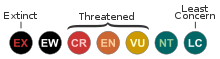
IUCN Red List
Growth: S = slow M = medium F = fast. Soil: L = light (sandy) M = medium H = heavy (clay). pH: A = acid N = neutral B = basic (alkaline). Shade: F = full shade S = semi-shade N = no shade. Moisture: D = dry M = Moist We = wet Wa = water.
Support Plants For A Future
Plants For A Future relies on regular donations to keep our free database and search facilities going, to pay for ongoing research, improvements and enhancements, and to develop and publish new books.
Read more
Choose Currency
Donate in £ GBP
Donate in $ USD
Donate in € EUR
Securely pay via PayPal or Credit/Debit Card without an account.
Expert comment
Author
Amshoff
Botanical References
Links / References
For a list of references used on this page please go here
A special thanks to Ken Fern for some of the information used on this page.
Readers comment
| Add a comment |
|
If you have important information about this plant that may help other users please add a comment or link below. Only comments or links that are felt to be directly relevant to a plant will be included. If you think a comment/link or information contained on this page is inaccurate or misleading we would welcome your feedback at [email protected]. If you have questions about a plant please use the Forum on this website as we do not have the resources to answer questions ourselves.
* Please note: the comments by website users are not necessarily those held by PFAF and may give misleading or inaccurate information.
|
Subject : Dicorynia guianensis
|
|
|
|