Translate this page:
Summary
Flixweed is one of the most useful and persistent edible mustards of western North America, despite being widely dismissed as a weed. It can bloom almost year-round in warmer parts of the Southwest and produces abundant leaves and seeds. Although stronger and slimier than western tansymustard in some respects, its sheer abundance and long season make it a remarkable food resource. It is one of those plants that turns disturbed ground into potential forage.
Physical Characteristics

 Descurainia sophia is a ANNUAL/BIENNIAL growing to 0.8 m (2ft 7in) by 0.5 m (1ft 8in) at a fast rate.
See above for USDA hardiness. It is hardy to UK zone 5. It is in flower from June to August, and the seeds ripen from August to September. The species is hermaphrodite (has both male and female organs) and is pollinated by Bees, insects. The plant is self-fertile.
Suitable for: light (sandy), medium (loamy) and heavy (clay) soils. Suitable pH: mildly acid, neutral and basic (mildly alkaline) soils. It can grow in semi-shade (light woodland) or no shade. It prefers moist soil.
UK Hardiness Map
US Hardiness Map
Synonyms
Sisymbrium sophia.
Plant Habitats
Cultivated Beds;
Edible Uses
Edible Parts: Leaves Seed Shoots
Edible Uses: Condiment
The edible parts are the leaves and seeds. Leaves are best as cooked greens, though small amounts can be used fresh. Seeds are edible as well, though generally stronger and less appealing than those of western tansymustard [2-3]. Edible Uses & Rating. Flixweed is an excellent resource due to its abundance, long season, and broad adaptability. The leaves are highly usable as potherbs, and the seeds can serve as a staple-style small-seed food when enough are gathered [2-3]. Taste, Processing & Kitchen Notes. Leaves are powerfully spicy and horseradish-like when raw and will overwhelm most salad mixtures unless used sparingly. Beneath the pungency, there may be a faint candy-like or sweet undertone, but the dominant impression is strong mustard heat. Cooking is the best route. As a potherb, flixweed becomes much more useful and easier to appreciate. The seeds resemble western tansymustard seeds but are spicier, slimier, and generally less appealing. Toasting improves them, but even then, they are stronger and more mucilaginous than the better tansymustard seeds [2-3]. Seasonality (Phenology). In much of the Southwest and Great Basin, flixweed blooms from about January to June, though in warmer southwestern areas it may bloom through much of the year whenever moisture and mild temperatures allow. This long season is one of its greatest assets. Safety & Cautions (Food Use). The same mineral accumulation caution applies here as to other tansymustards. Avoid contaminated or geochemically suspect sites. The leaves are very strong raw and can be overpowering or irritating if eaten freely without testing [2-3]. Harvest & Processing Workflow. Leaves are easy to gather by stripping them downward from the stems. Wash thoroughly and cook as potherbs for best use. Seeds are gathered after pod maturity, dried if needed, threshed, and winnowed. Toasting is the best preparation for reducing the raw spicy edge, though the seeds remain more mucilaginous than ideal. Cultivar/Selection Notes. There are no cultivars in general use. In practice, one would simply choose vigorous stands in clean, open habitat. Look-Alikes & Confusion Risks. Flixweed is fairly distinctive among western mustards because of its very finely divided, fern-like leaves and long linear pods. It is still best confirmed by the full tansymustard combination of yellow flowers, branched hairs, and unbeaked pods. Traditional/Indigenous Use Summary. We place flixweed firmly among the important food tansymustards, with enough abundance and productivity to function as a staple-type resource in the right context [2-3]. Young leaves and shoots - cooked[105, 272]. A bitter flavour[85]. Used as a potherb[183, 257]. Seed - raw or cooked[46]. A pungent taste, it is used as a mustard substitute[61, 74, 105, 183]. The seed can be ground into a powder, mixed with cornmeal and used to make bread, or as a thickening for soups etc[61, 85, 183]. It can also be sprouted and added to salads etc[183]. A nourishing and cooling beverage can be made by mixing the ground up seeds with water to make a thin batter[257]. The seed contains 25.5 - 29.9% protein, 26.9 - 39.7% fat and 3.6 - 3.9% ash on a zero moisture basis[218].
References More on Edible Uses
| Composition
|
| Figures in grams (g) or miligrams (mg) per 100g of food.
|
|
|
Seed (Dry weight)
|
|
- 0 Calories per 100g
- Water : 0%
- Protein: 27.5g; Fat: 33g; Carbohydrate: 0g; Fibre: 0g; Ash: 3.7g;
- Minerals - Calcium: 0mg; Phosphorus: 0mg; Iron: 0mg; Magnesium: 0mg; Sodium: 0mg; Potassium: 0mg; Zinc: 0mg;
- Vitamins - A: 0mg; Thiamine (B1): 0mg; Riboflavin (B2): 0mg; Niacin: 0mg; B6: 0mg; C: 0mg;
- Reference: [ 218]
- Notes: The figures given here are median figures of a range that was given in the report.
|
|
Medicinal Uses
Plants For A Future can not take any responsibility for any adverse effects from the use of plants. Always seek advice from a professional before using a plant medicinally.
Antiasthmatic Antiscorbutic Antitussive Astringent Cardiotonic Demulcent Diuretic Dysentery
Febrifuge Laxative Poultice Vermifuge
Descurainia sophia (Flixweed) has significant traditional and studied medicinal uses, particularly for treating gastrointestinal issues like constipation, diarrhea, and Irritable Bowel Syndrome (IBS), as well as respiratory ailments such as asthma and coughs. Seeds are used to reduce inflammation, pain, and fever. It also shows potential for anticancer properties and treating skin issues. (National Institutes of Health (NIH)) Key Medicinal Uses and Applications: Gastrointestinal Health: Traditionally used as a laxative for constipation and a remedy for diarrhea, bloating, and hemorrhoids. It is also effective for managing symptoms of IBS. Respiratory Support: Used to treat coughs and asthma due to its antispasmodic effects. Anti-inflammatory & Pain Relief: The plant has shown promise in reducing inflammation and acting as an analgesic. Other Potential Uses: It is used to manage palpitations, varicose veins, and impotence, and has demonstrated antimicrobial and anthelmintic (parasite-fighting) activities. Cancer Research: Studies indicate that plant extracts may exhibit cytotoxic activity against several human cancer cell lines. (National Institutes of Health (NIH) | (.gov)) Usage and Safety: Forms: Often consumed as a hot or cold syrup with water, or used in poultices for inflammation. Safety: It is considered generally safe, with studies showing its efficacy in treating constipation in both adults and children. Common Names: Known as Flixweed, Herb Sophia, and Khak-e-sheer. It is important to note that, although used in traditional medicine, these effects have not been fully confirmed in clinical trials in humans. A poultice of the plant has been used to ease the pain of toothache[257]. The juice of the plant has been used in the treatment of chronic coughs, hoarseness and ulcerated sore throats[4]. A strong decoction of the plant has proved excellent in the treatment of asthma[4]. The flowers and the leaves are antiscorbutic and astringent[218, 240]. The seed is considered to be cardiotonic, demulcent, diuretic, expectorant, febrifuge, laxative, restorative and tonic[218, 240]. It is used in the treatment of asthma, fevers, bronchitis, oedema and dysentery[176, 240]. It is also used in the treatment of worms and calculus complaints[240]. It is decocted with other herbs for treating various ailments[218]. The seeds have formed a special remedy for sciatica[4]. A poultice of the ground up seeds has been used on burns and sores[257].
References More on Medicinal Uses
The Bookshop: Edible Plant Books
Our Latest books on Perennial Plants For Food Forests and Permaculture Gardens in paperback or digital formats.
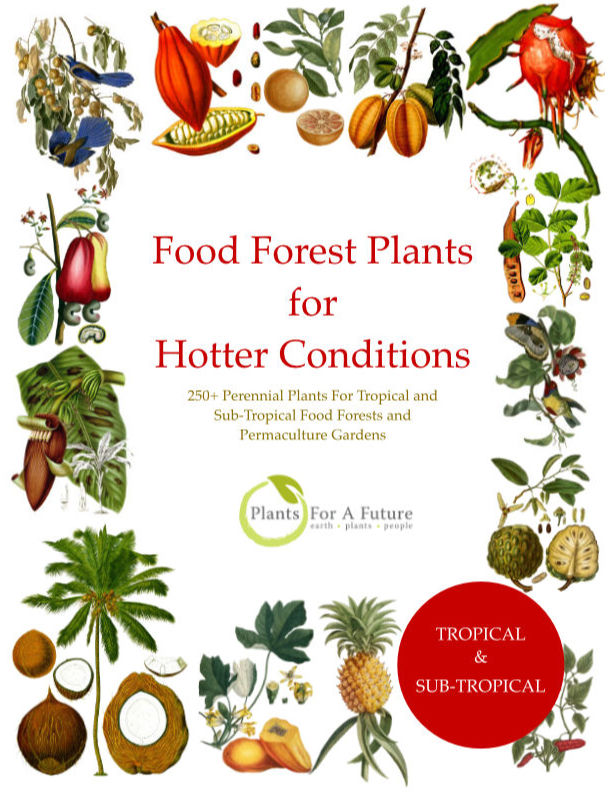
Edible Tropical Plants
Food Forest Plants for Hotter Conditions: 250+ Plants For Tropical Food Forests & Permaculture Gardens.
More
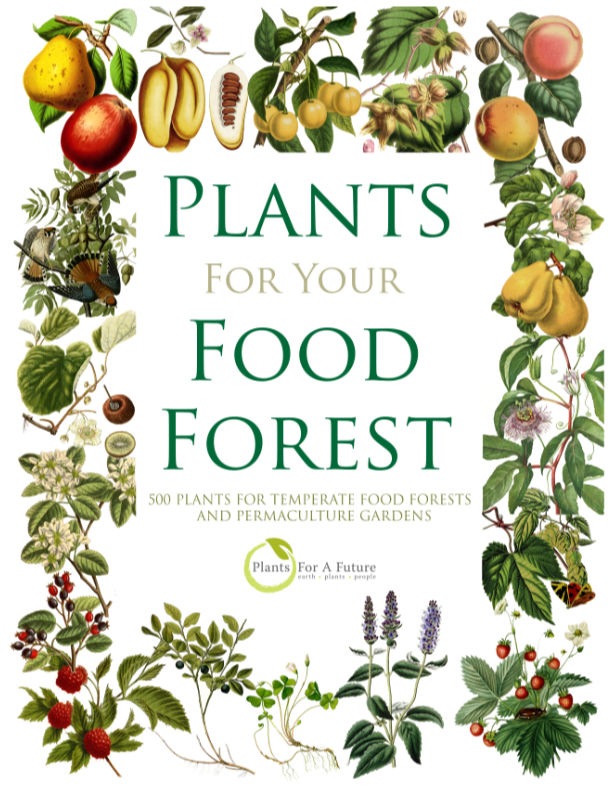
Edible Temperate Plants
Plants for Your Food Forest: 500 Plants for Temperate Food Forests & Permaculture Gardens.
More
More Books
PFAF have eight books available in paperback and digital formats. Browse the shop for more information.
Shop Now
Other Uses
Preservative
It is a fine-textured, airy annual that reads more as a weed or spontaneous filler than as a deliberate ornamental. In naturalized plantings it can still contribute useful texture. A semi-drying oil is obtained from the seed[240]. Yields are not given[K]. The leaves have been stored with corn to prevent it from going bad[257]. D. sophia is a tertiary genetic relative of rape (Brassica napus) (Warwick et al. 2009). Given its moderate palatability to livestock (Pfister et al., 1990), this species is likely to have limited economic value for animal husbandry. It contributes large quantities of seed to small-grain food webs, offers nectar and pollen to insects, and thrives in difficult disturbed environments where few edible annuals can compete.
Special Uses
References More on Other Uses
Cultivation details
Flixweed is a powerful, abundant, and highly useful edible mustard. It is not subtle, but it is generous. In warm western regions, it can be one of the most reliable annual greens-and-seeds plants available. Growing Conditions. Flixweed tolerates a wide range of open soils and disturbed habitats, from lowlands and valleys to open woodlands. It does especially well where soils are open, lightly disturbed, and seasonally moist. Habitat & Range. Native to Europe but now widespread in western North America and beyond, flixweed occurs throughout the Southwest and Great Basin in lowlands, fields, valleys, and open woodland settings. Size & Landscape Performance. It is a fine-textured, airy annual that reads more as a weed or spontaneous filler than as a deliberate ornamental. In naturalized plantings it can still contribute useful texture. Cultivation (Horticulture). It could be grown very easily by direct seeding into open soil, but because it self-sows so readily it is usually tolerated rather than deliberately planted. Pests & Problems. Its strongest issue is not pest damage but its ability to overpower neighboring greens in the kitchen and to behave as a persistent weed in gardens and fields. Identification & Habit. Flixweed is an annual with all leaves compound and finely divided, giving a fern-like appearance. The flowers are small and yellow, and the pods are long, narrow, and linear. Pollinators. As with other small yellow mustards, the flowers are likely visited by small bees, flies, and other generalist pollinators. Flixweed (Descurainia sophia) belongs to the mustard family (Brassicaceae) and the genus Descurainia. Common names include flixweed, flaxweed, fernleaf tansymustard, and herb sophia. It is a highly adaptable annual or winter annual, generally suited to USDA Zones 4–9 as a self-sowing ruderal plant. Mature plants usually stand about 20–80 cm tall and 20–50 cm wide, though fertile, undisturbed plants can become larger and more branched.
References Carbon Farming Information and Carbon Sequestration Information
Temperature Converter
Type a value in the Celsius field to convert the value to Fahrenheit:
Fahrenheit:
The PFAF Bookshop
Plants For A Future have a number of books available in paperback and digital form. Book titles include Edible Plants, Edible Perennials, Edible Trees,Edible Shrubs, Woodland Gardening, and Temperate Food Forest Plants. Our new book is Food Forest Plants For Hotter Conditions (Tropical and Sub-Tropical).
Shop Now
Plant Propagation
Propagation is by seed. The plant self-sows readily and can establish quickly on disturbed ground.
Other Names
If available other names are mentioned here
Flaxweed tansymustard; flixweed tansymustard; herb-Sophia; herb-sophia; pinnate tansymustard. Spanish: ajenjo loco; ajenjo serifio; hieba de la sabiduría; hierba de los cirujanos; Sofia. French: descurainie sagesse; sagesse-des-chirurgiens; sisymbre sagesse. Portuguese: erva-Sofia. China: bo niang hao. Denmark: barberforstand; finbladet vejsennep. England and Wales: piblys. Finland: litutilli. Germany: Besenrauke; Sophienkraut. Iceland: Þefjurt. Italy: erba Sofia. Japan: kujira-gusa. Korea, Republic of: jaessug. Netherlands: Sofiekruid. Norway: hundesennep. Scotland: finéal muire. Spain: herba de la sabiduria; herba de Santa Sofia. Sweden: stillfrö. Also: Khubkallana, Masino tori jhar, Mihao, Thale cress, Yinchen.
Native Range
TEMPERATE ASIA: Afghanistan, Iran, Iraq, Israel, Jordan, Lebanon, Syria, Turkey, Russian Federation-Ciscaucasia (Ciscaucasia), Armenia, Azerbaijan, Georgia, Russian Federation (Dagestan), Russian Federation-Western Siberia (Western Siberia), Russian Federation-Eastern Siberia (Eastern Siberia), Kazakhstan, Kyrgyzstan, Tajikistan, Turkmenistan, Uzbekistan, Mongolia, Russian Federation-Far East (Far East), China TROPICAL ASIA: India (Himachal Pradesh, Jammu and Kashmir, Sikkim, Uttar Pradesh), Nepal, Pakistan EUROPE: Denmark, Finland, United Kingdom (England (east)), Norway, Sweden, Austria, Belgium, Switzerland, Czech Republic, Germany, Hungary, Netherlands, Poland, Slovakia, Russian Federation (European part), Belarus, Estonia, Lithuania, Latvia, Moldova, Ukraine (incl. Krym), Albania, Bulgaria, Bosnia and Herzegovina, Greece (incl. Crete), Croatia, Italy (incl. Sicily), North Macedonia, Montenegro, Romania, Serbia, Slovenia, Spain, France (incl. Corsica), Portugal AFRICA: Algeria (north), Egypt (north), Morocco
Weed Potential
Right plant wrong place. We are currently updating this section.
Please note that a plant may be invasive in one area but may not in your area so it's worth checking.
Moderate to high. Flixweed is often treated as a noxious or troublesome weed in agricultural and disturbed settings, though from a foraging perspective that abundance is part of its value. Classified as a noxious weed in Colorado and Minnesota, USA as well as in Canada. It is considered invasive in Mexico, Japan, Republic of Korea, Chile and Australia. an annual pioneer herb that colonises disturbed sites and is adapted to growing in dry environments. It is also a crop pest and can facilitate the establishment of other introduced species [1d].
Conservation Status
IUCN Red List of Threatened Plants Status : This taxon has not yet been assessed.
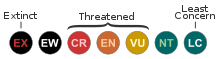
Growth: S = slow M = medium F = fast. Soil: L = light (sandy) M = medium H = heavy (clay). pH: A = acid N = neutral B = basic (alkaline). Shade: F = full shade S = semi-shade N = no shade. Moisture: D = dry M = Moist We = wet Wa = water.
Now available:
Food Forest Plants for Mediterranean Conditions
350+ Perennial Plants For Mediterranean and Drier Food Forests and Permaculture Gardens.
[Paperback and eBook]
This is the third in Plants For A Future's series of plant guides for food forests tailored to
specific climate zones. Following volumes on temperate and tropical ecosystems, this book focuses
on species suited to Mediterranean conditions—regions with hot, dry summers and cool, wet winters,
often facing the added challenge of climate change.
Read More
Expert comment
Author
(L.)Webb. ex Prantl.
Botanical References
1760
Links / References
For a list of references used on this page please go here
Readers comment
© 2010, Plants For A Future. Plants For A Future is a charitable company limited by guarantee, registered in England and Wales. Charity No. 1057719, Company No. 3204567.