Translate this page:
Summary
Dactyloctenium aegyptium is a drought-tolerant tropical grass recognized by its distinctive seedheads that resemble a bird’s foot or a crow’s footprint, which explains its common name. It is a hardy opportunistic plant of disturbed soils, cultivated fields, roadsides, sandy ground, and dry open habitats. In its native range and in some traditional agricultural systems in Africa and parts of Asia, the grain has been used as a minor cereal food. Outside those regions it is better known as a weed or forage grass rather than a food plant. In North America, particularly in the southwestern United States, it tends to occur only in warmer irrigated areas or occasionally in disturbed habitats with sufficient moisture. Because it does not reliably establish abundant wild stands in those regions, it generally plays a very minor role in local foraging traditions despite being edible.
Physical Characteristics

 Dactyloctenium aegyptium is a ANNUAL growing to 0.5 m (1ft 8in) by 0.3 m (1ft) at a fast rate.
See above for USDA hardiness. It is hardy to UK zone 7. The flowers are pollinated by Wind.
It is noted for attracting wildlife.
Suitable for: light (sandy), medium (loamy) and heavy (clay) soils, prefers well-drained soil and can grow in nutritionally poor soil. Suitable pH: mildly acid, neutral and basic (mildly alkaline) soils. It cannot grow in the shade. It prefers dry or moist soil and can tolerate drought.
UK Hardiness Map
US Hardiness Map
Synonyms
Homotypic Synonyms: Cynosurus aegyptius L. Eleusine aegyptia (L.) Forsyth f. Eleusine cruciata Lam. Eleusine pectinata Moench
Plant Habitats
Edible Uses
The edible portion of crowfoot grass is the grain. Like many small grass seeds, the grains can be collected, cleaned, and ground into meal for porridge or flatbreads. The seeds are small and somewhat labor-intensive to harvest, which limits their value compared with cultivated cereals [2-3]. Edible Uses & Rating. The grain is the primary edible product. In traditional African contexts it has been used as a minor cereal grain, but it is rarely cultivated as a primary staple. As a wild food resource it ranks as modest in value because seed size is small and harvest yields are limited unless the plant occurs in large stands. In survival or subsistence contexts, however, it can provide carbohydrates and nutrients similar to other small grass grains [2-3]. Taste, Processing & Kitchen Notes. When processed as a grain, crowfoot grass seeds behave similarly to other wild grass seeds such as those from millet relatives or wild sorghum-like grasses. The flavor is generally mild and cereal-like, making it suitable for porridge or flour blends. Because the grains are small and encased in husks, threshing and winnowing are necessary. Grinding the cleaned seeds into flour is usually the most practical culinary approach. The resulting flour can be cooked into porridge or combined with other flours to produce flatbreads or cakes. As with many small-seeded grasses, roasting the grain lightly before grinding may enhance aroma and reduce grassy flavors [2-3]. Seasonality (Phenology). Crowfoot grass is a warm-season annual that germinates once soils warm in late spring or early summer. Flowering and seed production generally occur from midsummer through early autumn, depending on rainfall and temperature. Because the plant grows quickly in warm climates, several generations may appear during long tropical growing seasons. Safety & Cautions (Food Use). No significant toxicity concerns are widely reported for the grain of this species. However, as with all grasses harvested from disturbed environments, contamination is a practical concern. Plants growing along roadsides, industrial sites, or treated agricultural land may accumulate pollutants or pesticide residues. Additionally, because the seeds are small, careful cleaning is required to remove dust, chaff, and grit before consumption [2-3]. Harvest & Processing Workflow. Seedheads should be harvested when fully mature and dry, typically when the characteristic finger-like spikes turn brown and brittle. The heads can be cut or stripped into a container and then dried further if needed. Threshing can be done by rubbing the heads between the hands or beating them lightly inside a bag. After threshing, the seeds should be winnowed to remove husks and plant fragments. The cleaned grains may be roasted lightly and ground into flour or simmered whole to produce a coarse porridge. Cultivar/Selection Notes. Unlike major cereal crops, crowfoot grass has not undergone extensive domestication or breeding for grain production. Most plants encountered are wild or semi-wild forms. In agricultural contexts it is more commonly managed as a forage grass for livestock than as a grain crop. Look-Alikes & Confusion Risks. The distinctive crowfoot-shaped seedhead is the most reliable identification feature. Several spikelets radiate from a central point at the tip of the stem, forming a structure that resembles the spread toes of a bird’s foot. This arrangement makes it easier to distinguish from many other grasses. However, inexperienced observers might still confuse it with other finger-like grasses such as goosegrass (Eleusine indica) or certain crabgrasses (Digitaria species). Careful attention to the structure of the spikelets and the radiating pattern of the spikes helps confirm identification. Traditional/Indigenous Use Summary. In parts of Africa where the species is native, crowfoot grass has been gathered and occasionally cultivated for its grain. The seeds were typically ground into flour and cooked as porridge or mixed with other cereal flours. While it has never achieved the agricultural importance of millet, sorghum, or teff, its resilience in hot dry environments made it a useful supplementary food resource [2-3].
References More on Edible Uses
Medicinal Uses
Plants For A Future can not take any responsibility for any adverse effects from the use of plants. Always seek advice from a professional before using a plant medicinally.
Dactyloctenium aegyptium (Egyptian crowfoot grass) is a medicinal herb rich in flavonoids and phenolic acids, utilized for its antioxidant, anti-inflammatory, and antimicrobial properties. It is used in traditional medicine to treat digestive issues (diarrhea, constipation), fevers, ulcers, and kidney-related pains, and has shown potential to lower blood sugar and inhibit cancer cell growth in studies. (Bangladesh Journals Online). Key Medicinal and Traditional Uses: Gastrointestinal Health: Used traditionally to treat constipation, diarrhea, and stomach aches. Wound Healing & Skin: A paste made from stems and leaves is applied topically to treat ulcers, wounds, and skin infections. Fever & Pain Relief: A decoction of the plant is used to reduce fever (antipyretic) and relieve pain. Kidney & Urinary Support: Used to treat urinary lithiasis (stones) and other renal infections. Metabolic Support: Studies indicate it may help regulate blood sugar levels, with one animal study showing a 15% reduction in post-prandial glucose. Anticancer & Antimicrobial: Extracts have shown potential to induce apoptosis in cervical and lung cancer cells and to provide antimicrobial activity. The whole plant is used in a decoction to remedy lumbago[348 ]. An infusion of the leaves, mixed with the seeds of Cajanus cajan, is used to accelerate childbirth[348 ]. A decoction of the leaves, combined with Scoparia dulcis, is used as a remedy for dysentery[348 ].
References More on Medicinal Uses
The Bookshop: Edible Plant Books
Our Latest books on Perennial Plants For Food Forests and Permaculture Gardens in paperback or digital formats.
Edible Tropical Plants
Food Forest Plants for Hotter Conditions: 250+ Plants For Tropical Food Forests & Permaculture Gardens.
More
Edible Temperate Plants
Plants for Your Food Forest: 500 Plants for Temperate Food Forests & Permaculture Gardens.
More
More Books
PFAF have eight books available in paperback and digital formats. Browse the shop for more information.
Shop Now
Other Uses
In landscape settings it is generally regarded as a weed rather than an ornamental plant. The seeds provide food for small birds and rodents, while the foliage can serve as forage for grazing animals. Its ability to stabilize loose soils also contributes to its ecological role in disturbed habitats.
Special Uses
References More on Other Uses
Cultivation details
Crowfoot grass represents a typical example of a small-seeded wild cereal that can contribute calories and nutrition in marginal environments. While not particularly productive compared with domesticated grains, it has ecological advantages: it grows rapidly, tolerates heat and drought, and can colonize disturbed soils where other crops struggle. In regions where it grows abundantly, it can serve as a supplementary grain resource, but in areas where it is rare or scattered, its value to foragers is limited. Growing Conditions. This species prefers warm temperatures, full sunlight, and well-drained soils. It tolerates drought and poor soil fertility but responds favorably to moderate moisture and nutrient availability. Sandy or loamy soils are particularly suitable. Habitat & Range. Crowfoot grass is native to Africa but has spread widely throughout tropical and subtropical regions of the world. It is commonly found in disturbed habitats such as agricultural fields, roadsides, sandy coastal areas, and open dry ground. In North America, it occurs mainly in warmer southern states and irrigated regions. Size & Landscape Performance. As an annual grass, it forms loose clumps or spreading mats depending on growing conditions. In landscape settings, it is generally regarded as a weed rather than an ornamental plant. Cultivation (Horticulture). Although not commonly cultivated as a crop, it can grow readily from seed in warm climates. If intentionally grown for seed, plants should be spaced to allow good airflow and seedhead development. Pests & Problems. Crowfoot grass is generally hardy and resistant to most pests and diseases. Its main issue in agriculture is its ability to behave as a weed, competing with cultivated crops for water and nutrients. Identification & Habit. The plant is a tufted annual grass with narrow leaves and distinctive digitate seedheads composed of several finger-like spikes radiating from the stem tip. Each spike contains rows of small spikelets that produce the grain. Pollinators. Like most grasses, crowfoot grass is wind-pollinated rather than insect-pollinated. Its flowers produce pollen that is carried by air currents to neighboring plants. Crowfoot grass, Dactyloctenium aegyptium, belongs to the grass family (Poaceae) and the genus Dactyloctenium. Common names include crowfoot grass, Egyptian grass, Egyptian crowfoot grass, and occasionally beach wiregrass. It is a warm-season annual grass native to Africa and parts of the Old World tropics but now widely naturalized in tropical and subtropical regions around the world. Because it is an annual species rather than a perennial, USDA hardiness zones mainly affect where it can reliably grow each summer rather than where it can overwinter. In cultivation or naturalized settings it commonly behaves as a warm-season annual in approximately USDA Zones 6–11. Mature plants typically grow about 10–60 cm tall depending on moisture and soil fertility, while the spreading base can occupy roughly 20–50 cm across when conditions are favorable. Native to: Afghanistan, Algeria, Angola, Assam, Bangladesh, Benin, Borneo, Botswana, Burkina, Burundi, Cambodia, Cameroon, Cape Provinces, Central African Republic, Chad, China South-Central, China Southeast, Comoros, Congo, Djibouti, DR Congo, East Aegean Is., East Himalaya, Egypt, Eritrea, Eswatini, Ethiopia, Free State, Gabon, Gambia, Ghana, Guinea, Guinea-Bissau, Gulf of Guinea Is., Gulf States, Hainan, India, Iran, Iraq, Ivory Coast, Jawa, Kazan-retto, Kenya, Kuwait, KwaZulu-Natal, Laccadive Is., Laos, Lebanon-Syria, Lesser Sunda Is., Liberia, Libya, Madagascar, Malawi, Malaya, Maldives, Mali, Maluku, Mauritania, Mauritius, Mozambique, Mozambique Channel Is., Myanmar, Namibia, Nansei-shoto, Nepal, New Guinea, Niger, Nigeria, Northern Provinces, Ogasawara-shoto, Oman, Pakistan, Palestine, Philippines, Rwanda, Réunion, Saudi Arabia, Senegal, Sierra Leone, Sinai, Socotra, Somalia, South China Sea, Sri Lanka, Sudan-South Sudan, Sulawesi, Sumatera, Taiwan, Tanzania, Thailand, Togo, Tunisia, Türkiye, Uganda, Vietnam, West Himalaya, Yemen, Zambia, Zimbabwe Introduced into: Alabama, Andaman Is., Argentina Northeast, Argentina Northwest, Arizona, Arkansas, Aruba, Ascension, Bahamas, Baleares, Belize, Bolivia, Brazil North, Brazil Northeast, Brazil Southeast, Brazil West-Central, California, Cape Verde, Caroline Is., Cayman Is., Central American Pacific Is., Christmas I., Cocos (Keeling) Is., Colombia, Colorado, Cook Is., Costa Rica, Cuba, Cyprus, Czechia-Slovakia, Dominican Republic, Ecuador, El Salvador, Fiji, Florida, French Guiana, Galápagos, Georgia, Germany, Gilbert Is., Great Britain, Guatemala, Guyana, Haiti, Hawaii, Honduras, Illinois, Italy, Jamaica, Japan, Korea, Kriti, Leeward Is., Line Is., Louisiana, Madeira, Maine, Marcus I., Marianas, Marquesas, Marshall Is., Maryland, Massachusetts, Mexican Pacific Is., Mexico Central, Mexico Gulf, Mexico Northeast, Mexico Northwest, Mexico Southeast, Mexico Southwest, Mississippi, Nauru, Netherlands Antilles, New Caledonia, New Jersey, New Mexico, New York, Nicaragua, Nicobar Is., North Carolina, Northern Territory, Ohio, Panamá, Paraguay, Pennsylvania, Peru, Puerto Rico, Queensland, Samoa, Sicilia, Society Is., Solomon Is., South Carolina, Southwest Caribbean, Spain, St.Helena, Suriname, Tennessee, Texas, Tonga, Trinidad-Tobago, Tuamotu, Tubuai Is., Turks-Caicos Is., Uruguay, Vanuatu, Venezuela, Venezuelan Antilles, Virginia, Wake I., Wallis-Futuna Is., Western Australia, Windward Is.
References Carbon Farming Information and Carbon Sequestration Information
Temperature Converter
Type a value in the Celsius field to convert the value to Fahrenheit:
Fahrenheit:
The PFAF Bookshop
Plants For A Future have a number of books available in paperback and digital form. Book titles include Edible Plants, Edible Perennials, Edible Trees,Edible Shrubs, Woodland Gardening, and Temperate Food Forest Plants. Our new book is Food Forest Plants For Hotter Conditions (Tropical and Sub-Tropical).
Shop Now
Plant Propagation
Propagation occurs primarily through seed. Seeds germinate readily in warm soils and can establish quickly in disturbed ground.
Other Names
If available other names are mentioned here
Coast Button Grass
Native Range
Afghanistan, Algeria, Angola, Assam, Bangladesh, Benin, Borneo, Botswana, Burkina, Burundi, Cambodia, Cameroon, Cape Provinces, Central African Republic, Chad, China South-Central, China Southeast, Comoros, Congo, Djibouti, DR Congo, East Aegean Is., East Himalaya, Egypt, Eritrea, Eswatini, Ethiopia, Free State, Gabon, Gambia, Ghana, Guinea, Guinea-Bissau, Gulf of Guinea Is., Gulf States, Hainan, India, Iran, Iraq, Ivory Coast, Jawa, Kazan-retto, Kenya, Kuwait, KwaZulu-Natal, Laccadive Is., Laos, Lebanon-Syria, Lesser Sunda Is., Liberia, Libya, Madagascar, Malawi, Malaya, Maldives, Mali, Maluku, Mauritania, Mauritius, Mozambique, Mozambique Channel Is., Myanmar, Namibia, Nansei-shoto, Nepal, New Guinea, Niger, Nigeria, Northern Provinces, Ogasawara-shoto, Oman, Pakistan, Palestine, Philippines, Rwanda, Réunion, Saudi Arabia, Senegal, Sierra Leone, Sinai, Socotra, Somalia, South China Sea, Sri Lanka, Sudan-South Sudan, Sulawesi, Sumatera, Taiwan, Tanzania, Thailand, Togo, Tunisia, Türkiye, Uganda, Vietnam, West Himalaya, Yemen, Zambia, Zimbabwe
Weed Potential
Right plant wrong place. We are currently updating this section.
Please note that a plant may be invasive in one area but may not
in your area so it's worth checking.
Moderate to high in suitable climates. In agricultural settings it can become a competitive weed, particularly in irrigated fields or disturbed soils.
Conservation Status
IUCN Red List of Threatened Plants Status : Not listed.
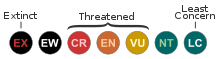
IUCN Red List
Growth: S = slow M = medium F = fast. Soil: L = light (sandy) M = medium H = heavy (clay). pH: A = acid N = neutral B = basic (alkaline). Shade: F = full shade S = semi-shade N = no shade. Moisture: D = dry M = Moist We = wet Wa = water.
Now available:
Food Forest Plants for Mediterranean Conditions
350+ Perennial Plants For Mediterranean and Drier Food Forests and Permaculture Gardens.
[Paperback and eBook]
This is the third in Plants For A Future's series of plant guides for food forests tailored to
specific climate zones. Following volumes on temperate and tropical ecosystems, this book focuses
on species suited to Mediterranean conditions—regions with hot, dry summers and cool, wet winters,
often facing the added challenge of climate change.
Read More
Expert comment
Author
(L.) Willd.
Botanical References
Links / References
For a list of references used on this page please go here
Readers comment
| Add a comment |
|
If you have important information about this plant that may help other users please add a comment or link below. Only comments or links that are felt to be directly relevant to a plant will be included. If you think a comment/link or information contained on this page is inaccurate or misleading we would welcome your feedback at [email protected]. If you have questions about a plant please use the Forum on this website as we do not have the resources to answer questions ourselves.
* Please note: the comments by website users are not necessarily those held by PFAF and may give misleading or inaccurate information.
|
Subject : Dactyloctenium aegyptium
|
|
|
|