Translate this page:
Summary
Fendler’s flatsedge is a lesser-known but edible species whose roots were historically used as food. It occurs mainly in western North America and shares many culinary traits with other nutsedges.
Physical Characteristics

 Cyperus fendlerianus is a PERENNIAL growing to 0.7 m (2ft 4in) at a fast rate.
See above for USDA hardiness. It is hardy to UK zone 6. The seeds ripen from August to September. The species is hermaphrodite (has both male and female organs) and is pollinated by Wind.
Suitable for: light (sandy) and medium (loamy) soils. Suitable pH: mildly acid, neutral and basic (mildly alkaline) soils. It cannot grow in the shade. It prefers moist or wet soil.
UK Hardiness Map
US Hardiness Map
Synonyms
Homotypic Synonyms: Chlorocyperus fendlerianus (Boeckeler) Palla. Mariscus fendlerianus (Boeckeler) T.Koyama.
Plant Habitats
Bog Garden; Cultivated Beds;
Edible Uses
Edible Parts: Root
Edible Uses:
Roots are edible and moderately nutritious [2-3]. Edible Uses & Rating: Rated moderate; worthwhile when abundant but rarely cultivated [2-3]. Taste, Processing & Kitchen Notes: Roots are starchy with mild flavors reminiscent of potatoes. Roasting improves aroma, while boiling softens texture [2-3]. Seasonality (Phenology): Root reserves are highest from late summer into autumn [2-3]. Safety & Cautions (Food Use): Cook thoroughly when harvested from wet soils. Harvest & Processing Workflow: Dig carefully to avoid breaking the small tubers. Wash and cook promptly [2-3]. Cultivar/Selection Notes: No cultivated forms. Look-Alikes & Confusion Risks: May resemble other nut sedge species; confirm root structure before harvesting [2-3]. Traditional/Indigenous Use Summary: Roots were gathered by Native Americans, indicating dependable food value [2-3]. Tuber - raw or cooked[85]. They are usually peeled[257].
References More on Edible Uses
Medicinal Uses
Plants For A Future can not take any responsibility for any adverse effects from the use of plants. Always seek advice from a professional before using a plant medicinally.
None known
References More on Medicinal Uses
Other Uses
Weaving
The leaves are used for weaving hats, matting etc. Supports wetland biodiversity. Restoration projects.
Special Uses
References More on Other Uses
Cultivation details
A respectable but underappreciated edible sedge. Growing Conditions: Prefers moist meadows and seasonal wetlands. Habitat & Range: Western United States, especially interior regions. Size & Landscape Performance: Forms modest colonies without overwhelming plantings. Cultivation (Horticulture): Rare outside restoration projects. Pests & Problems: Generally trouble-free. Identification & Habit: Grass-like with triangular stems and clustered spikelets. Pollinators: Wind-pollinated; seeds attract birds. Plant Name: Fendler’s Flatsedge. Family: Cyperaceae. Genus: Cyperus. Common Names: Fendler’s nutgrass. USDA Hardiness Zones: Approximately 5–9. Height/Spread: 20–70 cm tall.
References Carbon Farming Information and Carbon Sequestration Information
Temperature Converter
Type a value in the Celsius field to convert the value to Fahrenheit:
Fahrenheit:
Plant Propagation
Seed - surface sow in the spring and keep the compost moist[164]. The seed usually germinates in 2 - 6 weeks at 18°c[164]. Prick out the seedlings into individual pots as soon as they are large enough to handle. Grow on for their first winter in a greenhouse and plant them out in late spring after the last expected frosts. Division in spring or autumn. This is more a matter of harvesting the tubers and replanting them. If this is done in the autumn, then it is best to store the tubers in a cool frost-free place overwinter and plant them out in the spring.
Other Names
If available other names are mentioned here
Fendler’s nutgrass. Homotypic Synonyms: Chlorocyperus fendlerianus (Boeckeler) Palla. Mariscus fendlerianus (Boeckeler) T.Koyama.
Native Range
NORTHERN AMERICA: United States (Colorado, Wyoming, New Mexico, Texas, Arizona), Mexico (Baja California (Norte), Chihuahua, Coahuila de Zaragoza, Durango, Nuevo León, Sonora, Tamaulipas, México)
Weed Potential
Right plant wrong place. We are currently updating this section.
Please note that a plant may be invasive in one area but may not
in your area so it's worth checking.
Moderate but manageable.
Conservation Status
IUCN Red List of Threatened Plants Status :
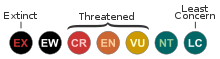
IUCN Red List
| Related Plants
|
| Latin Name | Common Name | Habit | Height | Hardiness | Growth | Soil | Shade | Moisture | Edible | Medicinal | Other |
| Cyperus aristatus | Bearded nutsedge | Perennial | 0.5 |
6-10
| | LM | N | MWe | 2 | 0 | 2 |
| Cyperus articulatus | Jointed flatsedge, Priprioca, Piripiri | Perennial | 1.8 |
10-12
| F | LMH | N | MWeWa | 1 | 4 | 2 |
| Cyperus cephalotes | Bhada, Flat Sedges, Nut Sedges or Umbrella Sedge. | Perennial | 0.3 |
10-12
| F | LMH | N | WeWa | 0 | 1 | 2 |
| Cyperus distans | Slender Cyperus, Piedmont flatsedge | Perennial | 0.5 |
0-0
| | LM | N | MWe | 1 | 1 | 2 |
| Cyperus erythrorhizos | Redroot Flatsedge | Annual | 0.8 |
4-10
| F | LMH | SN | MWe | 2 | 0 | 2 |
| Cyperus esculentus | Tiger Nut, Yellow nutsedge, Nut Grass | Perennial | 0.9 |
5-10
| F | LMH | N | MWe | 4 | 2 | 3 |
| Cyperus giganteus | Piripiri, Mexican Papyrus | Perennial | 1.5 |
9-11
| F | LMH | N | WeWa | 0 | 2 | 3 |
| Cyperus longus | Galingale | Perennial | 1.2 |
6-9
| F | LMH | N | MWeWa | 2 | 1 | 3 |
| Cyperus odoratus | Fragrant or rusty flatsedge | Annual/Perennial | 0.8 |
6-10
| F | LMH | N | MWe | 3 | 3 | 2 |
| Cyperus papyrus | Papyrus. Papyrus sedge | Perennial | 5.0 |
9-12
| F | LMH | N | WeWa | 2 | 2 | 2 |
| Cyperus rotundus | Purple Nutsedge | Perennial | 0.6 |
7-11
| | LM | N | MWe | 3 | 3 | 2 |
| Cyperus schweinitzii | Flatsedge, Schweinitz's flatsedge | Perennial | 0.8 |
0-0
| | LM | N | MWe | 2 | 0 | 2 |
| Cyperus setigerus | Lean flatsedge | Perennial | 1.0 |
0-0
| | LM | N | MWe | 2 | 0 | 2 |
| Cyperus tegetiformis | | Perennial | 0.0 |
-
| | LM | N | MWe | 0 | 0 | 2 |
| Cyperus textilis | Flat sedge, Basket grass, | Perennial | 1.5 |
9-12
| F | LMH | FSN | MWeWa | 0 | 0 | 4 |
| Cyperus ustulatus | | Perennial | 1.2 |
-
| | LM | N | MWe | 0 | 0 | 2 |
|
Growth: S = slow M = medium F = fast. Soil: L = light (sandy) M = medium H = heavy (clay). pH: A = acid N = neutral B = basic (alkaline). Shade: F = full shade S = semi-shade N = no shade. Moisture: D = dry M = Moist We = wet Wa = water.
Support Plants For A Future
Plants For A Future relies on regular donations to keep our free database and search facilities going, to pay for ongoing research, improvements and enhancements, and to develop and publish new books.
Read more
Choose Currency
Donate in £ GBP
Donate in $ USD
Donate in € EUR
Securely pay via PayPal or Credit/Debit Card without an account.
Expert comment
Author
Boeckl.
Botanical References
270
Links / References
For a list of references used on this page please go here
Readers comment
| Add a comment |
|
If you have important information about this plant that may help other users please add a comment or link below. Only comments or links that are felt to be directly relevant to a plant will be included. If you think a comment/link or information contained on this page is inaccurate or misleading we would welcome your feedback at [email protected]. If you have questions about a plant please use the Forum on this website as we do not have the resources to answer questions ourselves.
* Please note: the comments by website users are not necessarily those held by PFAF and may give misleading or inaccurate information.
|
Subject : Cyperus fendlerianus
|
|
|
|