Translate this page:
Summary
California brome is a cool-season, native perennial bunchgrass of western North America, historically important as a wild grain and now valuable as a restoration and forage species. It occupies a wide elevational range from lowland valleys to subalpine meadows, tolerates a variety of soils, and recovers well after disturbance. As a food plant it offers modest quantities of highly serviceable grain rather than an effortless staple: collection and de-husking are work, but the result is comparable in character to other Bromus grains and can be used as a coarse cereal. Ecologically, it is a key mid-successional grass, stabilizing soil, feeding wildlife, and integrating seamlessly into native plantings.
Physical Characteristics

 Bromus carinatus is a ANNUAL/BIENNIAL growing to 0.8 m (2ft 7in) by 0.6 m (2ft).
See above for USDA hardiness. It is hardy to UK zone 4. The species is hermaphrodite (has both male and female organs) and is pollinated by Wind, Cleistogomy (self-pollinating without flowers ever opening). The plant is self-fertile.
Suitable for: light (sandy), medium (loamy) and heavy (clay) soils and prefers well-drained soil. Suitable pH: mildly acid, neutral and basic (mildly alkaline) soils. It can grow in semi-shade (light woodland) or no shade. It prefers dry or moist soil and can tolerate drought.
UK Hardiness Map
US Hardiness Map
Synonyms
Ceratochloa carinatus.
Plant Habitats
Woodland Garden Dappled Shade; Cultivated Beds;
Edible Uses
Edible Parts: Seed
Edible Uses:
Seed - cooked[161, 177]. Used as a piñole[183].The dried seed can be ground into a powder and mixed with water to make a mush or made into bread[257]. The seed is rather small and fiddly to utilize[K]. Edible Uses & Rating: The edible parts of California brome are the grains, or caryopses, which can be eaten whole, parched, or ground into flour. They are mild in flavor, nutritious, and safe to eat when properly processed. Historically, Native peoples of California used the seeds to make mush or porridge, often mixed with other wild seeds. Other plant parts such as leaves or stems have negligible food value. In modern terms, its edibility rating is 3/5—a good wild cereal when handled properly, but with low yield and considerable processing effort [2-3]. Taste, Processing & Kitchen Notes: The grains have a mild, nutty, cereal flavor similar to whole-grain barley. When boiled, they soften into a chewy porridge; when toasted, they acquire a rich, slightly smoky aroma. Processing, however, is tedious due to persistent chaff and awns. Traditional preparation involved drying or lightly toasting the seed heads, rubbing them between hands or against a rough surface to break the husks, and winnowing repeatedly. Even after this, some fibrous residue remains, so most traditional dishes were coarse meals rather than refined flours. Toasting enhances both flavor and digestibility, and small quantities can be added to soups or breads for texture and taste [2-3]. Seasonality (Phenology): California brome is a cool-season grass. It germinates in early spring, flowering from late May through August depending on elevation. Seeds ripen from June to September, and the plants dry and go dormant by late summer in lowland areas. The best harvest window for grain is when the seed heads are straw-colored but not yet shattering. The plants green up again with autumn or spring moisture, remaining productive for several years [2-3]. Safety & Cautions (Food Use): California brome is safe to eat when properly processed. The main hazards are mechanical—sharp awns and chaff can irritate the mouth or throat if not removed. Always discard moldy or darkened grains, as they may contain fungal toxins. Like other cereal grasses, California brome contains gluten-like proteins, so it may not be suitable for those with gluten sensitivity. Harvest & Processing Workflow: Seeds should be harvested when the panicles turn straw-colored but before they begin to shatter. The seed heads are cut or stripped by hand and spread to dry. Once crisp, they can be rubbed or gently beaten to release the grains, then winnowed to remove chaff. The cleaned grains can be toasted for a nutty flavor, boiled into a porridge, or ground into coarse meal. Toasting enhances aroma and improves digestibility, while boiling softens the grain and leaches minor bitterness. Look-Alikes & Confusion Risks: California brome can be confused with other Bromus species such as mountain brome (Bromus marginatus) or introduced annuals like cheatgrass and ripgut brome. Mountain brome is taller, hairier, and more robust but equally edible. Ripgut brome, by contrast, has long, rigid awns that can injure livestock and are unpleasant to handle. Careful observation of awn length, lemma shape, and hairiness helps distinguish species. Traditional / Indigenous Use Summary: California brome and related species were historically used by Native peoples of California, including the Mendocino and neighboring groups, as part of diverse wild-grain diets. Seeds were parched, ground, and cooked into mush or porridge, sometimes mixed with seeds of other grasses and forbs. While not a major staple like acorns or pine nuts, brome grains provided supplemental carbohydrate nutrition and were easily stored as dry meal.
References More on Edible Uses
Medicinal Uses
Plants For A Future can not take any responsibility for any adverse effects from the use of plants. Always seek advice from a professional before using a plant medicinally.
None known
References More on Medicinal Uses
The Bookshop: Edible Plant Books
Our Latest books on Perennial Plants For Food Forests and Permaculture Gardens in paperback or digital formats.
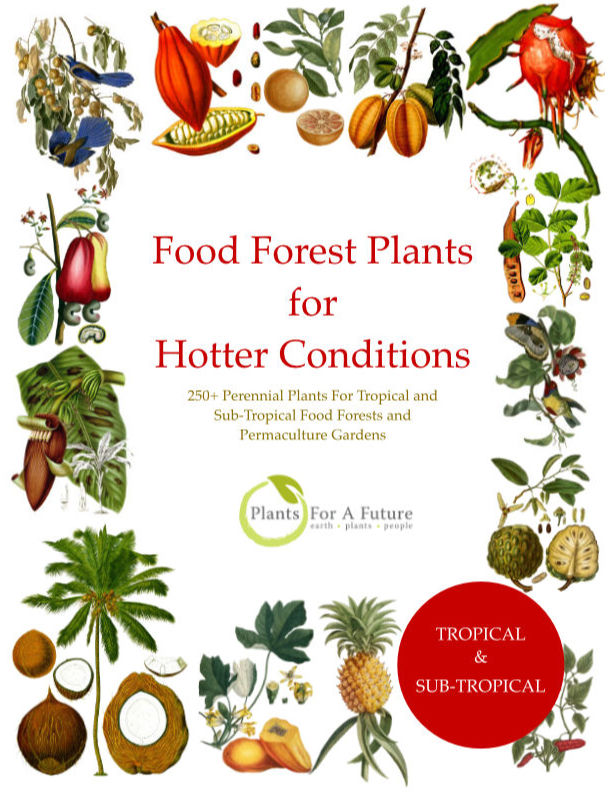
Edible Tropical Plants
Food Forest Plants for Hotter Conditions: 250+ Plants For Tropical Food Forests & Permaculture Gardens.
More
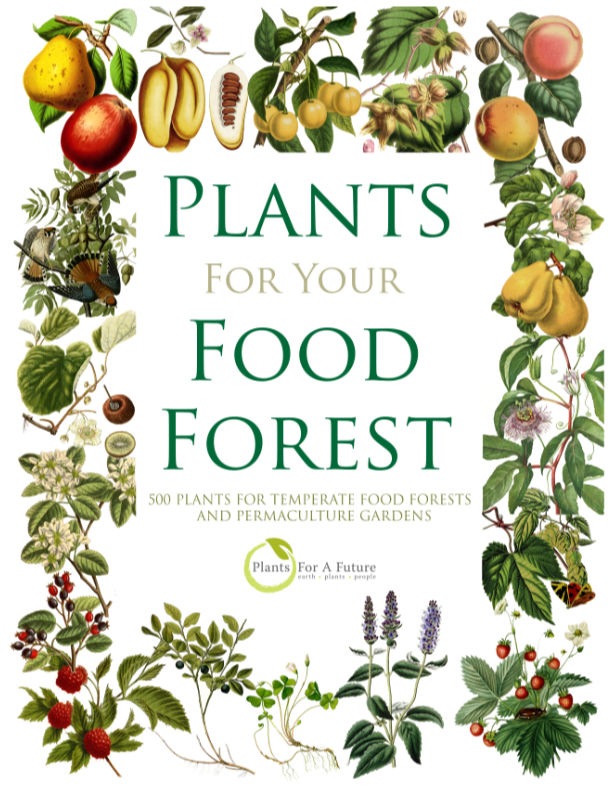
Edible Temperate Plants
Plants for Your Food Forest: 500 Plants for Temperate Food Forests & Permaculture Gardens.
More
More Books
PFAF have eight books available in paperback and digital formats. Browse the shop for more information.
Shop Now
Other Uses
Used for control of erosion and revegetation of damaged land, as well as a highly palatable forage for livestock. Ecology & Wildlife: Ecologically, California brome is a keystone mid-successional grass. Its dense fibrous root system stabilizes soil, reduces erosion, and improves infiltration. The foliage provides valuable forage for deer, elk, and livestock, while the seeds feed small mammals and ground-feeding birds. Its clumps also offer cover for nesting birds and insects. In restoration projects, it plays an important role in reestablishing native grassland structure and supporting pollinator and invertebrate diversity.
Special Uses
References More on Other Uses
Cultivation details
Identification & Habit: California brome is a tufted (bunch-forming) grass lacking rhizomes, with upright to arching culms and a loose, nodding panicle of flattened spikelets. Plants are typically glabrous to lightly hairy, with leaf blades flat, bright to blue-green, and ligules membranous and short. Spikelets are relatively large, several-flowered, often laterally compressed, with noticeable awns from the lemma tips. It presents the classic “native brome” look: lax, somewhat drooping inflorescences that turn from green to straw-brown at maturity. It is wind-pollinated, like other Bromus, with no showy floral features or nectar rewards.A potential perennial cereal crop, it is able to survive summer droughts without needing irrigation[183]. Tolerates a pH in the range 5.3 to 7.8. The plant has cleistogamous flowers - these do not open in the usual way but are self-pollinated by the plant.Growing Conditions: California brome thrives in open, sunny habitats but tolerates partial shade. It prefers well-drained loam or sandy loam soils, though it can persist in clay if not waterlogged. Moisture during spring is important for growth and seed development, but it is moderately drought-tolerant once established. It grows well in USDA Hardiness Zones 3–9, surviving winter freezes and summer droughts. It is most vigorous in cool, moist climates but adapts readily to drier mountain valleys and foothills. Habitat & Range: California brome is native to western North America, from British Columbia and Alberta south through California, New Mexico, and into northern Mexico. It occupies diverse habitats—sagebrush valleys, montane meadows, woodland openings, and disturbed areas such as roadsides and cut banks. It grows from near sea level up to about 3,000 meters, depending on latitude. Within the Southwest, it is most common in mountain and foothill zones where spring moisture lingers. Size & Landscape Performance: Mature plants typically reach 40–100 cm in height and 30–60 cm in spread. They form upright to arching clumps with soft, fine-textured foliage. The species establishes quickly from seed, providing rapid ground cover and erosion control. It persists for several years before thinning and is easily integrated into native grass mixtures. In ornamental or restoration contexts, its graceful, nodding panicles add visual movement and seasonal interest. Cultivation (Horticulture): California brome is widely cultivated for forage, erosion control, and habitat restoration. It germinates readily and establishes quickly, even in poor soils. Seeds can be sown in late fall or early spring, either broadcast or drilled shallowly. It performs best without heavy fertilization or irrigation, as excessive nutrients promote rank growth and shorten lifespan. In native plantings it serves as a nurse grass, providing early cover while slower species establish. It can self-seed modestly and usually remains well-behaved within its natural range. Pests & Problems: This species is hardy and generally trouble-free. Under humid conditions it may develop leaf rusts, smuts, or fungal spots, particularly in crowded stands. Overgrazing or frequent mowing weakens the clumps and can lead to weed invasion. For food use, the main concerns are physical rather than biological—awn fragments or mold contamination can make seeds unsuitable for consumption. Cultivar/Selection Notes: Several regional ecotypes and selected cultivars of California brome exist for restoration and forage applications. These selections differ mainly in vigor, disease resistance, and seed production but not in food quality. For ecological or ethnobotanical projects, it is best to use locally adapted native seed to preserve regional genetics.
References Carbon Farming Information and Carbon Sequestration Information
Temperature Converter
Type a value in the Celsius field to convert the value to Fahrenheit:
Fahrenheit:
The PFAF Bookshop
Plants For A Future have a number of books available in paperback and digital form. Book titles include Edible Plants, Edible Perennials, Edible Trees,Edible Shrubs, Woodland Gardening, and Temperate Food Forest Plants. Our new book is Food Forest Plants For Hotter Conditions (Tropical and Sub-Tropical).
Shop Now
Plant Propagation
Seed - sow spring or autumn in situ and only just cover. Germination should take place within 2 weeks. If seed is in short supply it can be surface sown in a cold frame in early spring. When large enough to handle, prick out the seedlings into individual pots and plant them out in early summer. Division in spring. Large clumps can be planted out direct into their permanent positions whilst it is best to pot up smaller clumps and grow them on in a cold frame until they are ready to be planted out.
Other Names
If available other names are mentioned here
California brome. Mountain brome.
Native Range
NORTHERN AMERICA: Canada (Alberta (south), British Columbia, Saskatchewan (south)), United States (Nebraska (west), North Dakota (southwest), South Dakota (west), Colorado, Idaho, Montana, Oregon, Washington, Wyoming, New Mexico, Texas (west), Arizona, California, Nevada, Utah), Mexico (Baja California (Norte), Chihuahua, Coahuila de Zaragoza, Durango, Nuevo León, San Luis Potosí, Sinaloa, Sonora, Tamaulipas, Zacatecas, Chiapas, Ciudad de México, Guanajuato, Hidalgo, Jalisco, México, Michoacán de Ocampo, Morelos, Nayarit, Oaxaca, Puebla, Querétaro, Tlaxcala, Veracruz de Ignacio de la Llave) SOUTHERN AMERICA: Costa Rica, Guatemala, El Salvador
Weed Potential
Right plant wrong place. We are currently updating this section.
Please note that a plant may be invasive in one area but may not in your area so it's worth checking.
California brome is not considered invasive within its native range. It can reseed and form patches, but it integrates harmoniously with other native grasses and forbs. In disturbed or over-fertilized soils it may spread more freely, but control is simple through mowing or grazing. Outside its natural range it can naturalize, yet it remains far less aggressive than introduced species such as cheatgrass (Bromus tectorum).
Conservation Status
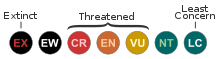
IUCN Red List of Threatened Plants Status : This taxon has not yet been assessed.
Growth: S = slow M = medium F = fast. Soil: L = light (sandy) M = medium H = heavy (clay). pH: A = acid N = neutral B = basic (alkaline). Shade: F = full shade S = semi-shade N = no shade. Moisture: D = dry M = Moist We = wet Wa = water.
Now available:
Food Forest Plants for Mediterranean Conditions
350+ Perennial Plants For Mediterranean and Drier Food Forests and Permaculture Gardens.
[Paperback and eBook]
This is the third in Plants For A Future's series of plant guides for food forests tailored to
specific climate zones. Following volumes on temperate and tropical ecosystems, this book focuses
on species suited to Mediterranean conditions—regions with hot, dry summers and cool, wet winters,
often facing the added challenge of climate change.
Read More
Expert comment
Author
Hook.&Arn.
Botanical References
60236
Links / References
For a list of references used on this page please go here
Readers comment
| Add a comment |
|
If you have important information about this plant that may help other users please add a comment or link below. Only comments or links that are felt to be directly relevant to a plant will be included. If you think a comment/link or information contained on this page is inaccurate or misleading we would welcome your feedback at [email protected]. If you have questions about a plant please use the Forum on this website as we do not have the resources to answer questions ourselves.
* Please note: the comments by website users are not necessarily those held by PFAF and may give misleading or inaccurate information.
|
Subject : Bromus carinatus
|
|
|
|