Translate this page:
Summary
Northern mannagrass is a large, graceful wetland grass found around ponds, lakes, slow streams, marshes and seasonally flooded meadows. It produces small edible grains that were gathered by Indigenous peoples of North America. Although the individual grains are tiny, productive stands can provide worthwhile quantities when harvested at precisely the right stage. The name mannagrass reflects the traditionally sweet or pleasant grain associated with members of Glyceria. Some European mannagrasses were once harvested and traded as grain foods. Northern mannagrass belongs to the same useful group, although it was never domesticated into a major cereal crop. Its modern value lies mainly in wetland restoration, wildlife habitat and the preservation of traditional grain knowledge. Northern mannagrass, Glyceria borealis, belongs to the grass family (Poaceae) and the genus Glyceria. Common names include northern mannagrass, northern manna grass, northern sweetgrass and floating mannagrass. It is a native, cool-season perennial wetland grass generally suited to approximately USDA Zones 2–8. Plants commonly produce flowering stems about 60–150 cm tall, occasionally taller in especially fertile wetlands, while the leafy base may spread about 30–90 cm through short rhizomes and rooting lower stems. Its size and extent vary considerably with water depth, soil fertility and competition.
Physical Characteristics

 Glyceria fluitans is a PERENNIAL growing to 1.5 m (5ft) by 0.9 m (3ft in).
See above for USDA hardiness. It is hardy to UK zone 3. The species is hermaphrodite (has both male and female organs) and is pollinated by Wind.
It is noted for attracting wildlife.
Suitable for: light (sandy), medium (loamy) and heavy (clay) soils. Suitable pH: mildly acid, neutral and basic (mildly alkaline) soils. It can grow in semi-shade (light woodland) or no shade. It prefers moist or wet soil and can grow in water.
UK Hardiness Map
US Hardiness Map
Synonyms
Glyceria fluitans var. angustata Fernald. Panicularia borealis Nash. Panicularia fluitans var. angustata (Fernald) Farw.
Plant Habitats
Pond; Bog Garden;
Edible Uses
Edible Parts: Seed
Edible Uses:
The mature grains are edible and are the only part recommended here for human food. They can be toasted, boiled into porridge or ground into meal after thorough cleaning. The foliage should not be treated as an ordinary human vegetable. Some mannagrasses can develop potentially harmful cyanogenic compounds in green tissue, particularly under stressful growing conditions, so documented grain use should not be extended to leaves or shoots without caution [2-3]. Edible Uses & Rating: Northern mannagrass is a moderate-quality wild grain whose usefulness depends more on harvest efficiency than flavor. Dense stands can provide a respectable seasonal crop, but scattered plants are rarely worth gathering. The grain may be cooked alone, mixed with larger seeds, added to porridge, or ground with other wild grains [2-3]. An appropriate edible rating is 3/5. The grain has genuine traditional value and potentially pleasant flavor, but small grain size, rapid shedding, wetland access, and demanding processing reduce its practicality [2-3]. Taste, Processing & Kitchen Notes: Mannagrass grains are generally described as mild, starchy, and sometimes subtly sweet. Toasting is likely to accentuate nutty and cereal-like qualities while reducing raw grassy flavors. Boiling produces a soft grain suitable for porridge, though the small size means it may behave more like a thickening seed than a modern cereal grain [2-3]. After threshing, the grain should be carefully winnowed and sifted. A final rinse may help separate light chaff, but wet grain must then be dried promptly to prevent spoilage. Light parching before storage can improve flavor and reduce moisture. The grain can also be ground into flour, although using it alone may produce a dense meal better mixed with other flours [2-3]. Seasonality (Phenology): Northern mannagrass usually flowers from July into August. Grain generally matures from late August through October, depending on latitude, elevation and water conditions. In the mountains of Arizona and New Mexico, maturation may occur comparatively late because the growing season begins after snowmelt. The ideal harvesting period can be brief. Immature grains are soft and poorly filled, while fully mature grains may fall from the panicles quickly. Colonies should therefore be watched closely as the panicles change from green to straw-colored or brown. Safety & Cautions (Food Use). Only clean, fully mature grain should be used. Avoid moldy, discolored or foul-smelling material. Wetland grasses can occasionally host ergot and other fungal diseases; any dark, elongated, unusually hard fungal bodies replacing normal grains should be discarded along with affected seed heads. Wetlands can also receive agricultural runoff, sewage, mine drainage or other pollutants. Harvest only from clean water systems with no known contamination. Because some Glyceria foliage can contain cyanogenic compounds, do not assume that the leaves and young stems are interchangeable with the edible grain. Cooking is recommended, particularly when using the grain for the first time. People with grass or cereal allergies should also proceed cautiously. Harvest & Processing Workflow: Harvest when the grains are full and mature, but before they begin to fall heavily. Bend panicles over a basket or cloth and tap or strip them gently. This method leaves the rooted plant intact and allows immature grains to continue developing. Dry the collected material thoroughly in a well-ventilated place. Rub or thresh the panicles to release the grains, then winnow repeatedly to remove chaff. Inspect carefully for fungal contamination, aquatic debris, and insects. Toast lightly, boil whole, or grind into meal. Store only when completely dry [2-3]. Cultivar/Selection Notes: There are no widely recognized food cultivars of northern mannagrass. Restoration stock may be available from native wetland nurseries, but local provenance is important because wetland grasses can differ in their adaptation to water depth, winter cold, and seasonal flooding. Selection for future food cultivation might favor heavy grain production, reduced seed shattering, uniform ripening, and larger grains. At present, it remains primarily a wild or restoration species rather than a developed crop. Look-Alikes & Confusion Risks: Northern mannagrass can be confused with other Glyceria species and with wetland grasses in genera such as Torreyochloa, Puccinellia and Poa. Mannagrasses typically have closed leaf sheaths, conspicuous veins on the lemmas, and open or nodding panicles. Native Plant Trust notes that Glyceria differs from similar wetland genera through a combination of closed sheaths, one-veined upper glumes, and conspicuous lemma veins. Identification is important not because every similar grass is acutely poisonous, but because food history, grain quality, conservation status, and processing characteristics vary. Large invasive reed mannagrass, Glyceria maxima, should not be confused with this native species; it can form aggressive wetland monocultures and is regulated in some regions [2-3]. Traditional/Indigenous Use Summary: The grains of northern mannagrass were among the small wetland grains gathered by Indigenous peoples. These foods were part of broader seasonal seed-harvesting systems in which productive stands were beaten or stripped into baskets, dried, cleaned, and cooked [2-3]. Such grains were rarely used in isolation. They were commonly combined with other seeds or meal, allowing small harvests from different species to become a more substantial food supply. Seed - cooked. Ground into a flour and used as a cereal[105, 161, 177]. The seed is very small and fiddly to harvest[K].
References More on Edible Uses
Medicinal Uses
Plants For A Future can not take any responsibility for any adverse effects from the use of plants. Always seek advice from a professional before using a plant medicinally.
A decoction of Glyceria borealis (Northern manna grass) has historically been used in some traditional herbal practices as a stimulant and a tonic. However, there is very little formal documentation or clinical evidence confirming its efficacy or safety for these conditions
References More on Medicinal Uses
The Bookshop: Edible Plant Books
Our Latest books on Perennial Plants For Food Forests and Permaculture Gardens in paperback or digital formats.
Edible Tropical Plants
Food Forest Plants for Hotter Conditions: 250+ Plants For Tropical Food Forests & Permaculture Gardens.
More
Edible Temperate Plants
Plants for Your Food Forest: 500 Plants for Temperate Food Forests & Permaculture Gardens.
More
More Books
PFAF have eight books available in paperback and digital formats. Browse the shop for more information.
Shop Now
Other Uses
Incense
This is a relatively tall wetland grass with an open, airy panicle of flowers. It can create a soft, naturalistic transition between open water and meadow vegetation. Its foliage and roots help occupy muddy margins that might otherwise erode or remain bare. It is best used in large natural ponds, wetland restorations, bioswales, and wildlife areas. It may be too vigorous or untidy for a small ornamental pond. Ecology & Wildlife: Northern mannagrass provides cover and feeding habitat for waterfowl, marsh birds, amphibians, aquatic invertebrates, and small mammals. Its grains are eaten by birds, while foliage may be grazed by waterfowl and mammals. The root system binds saturated soil, slows water movement, and contributes organic material to wetland food webs. Its ecological value generally exceeds the amount of food humans are likely to harvest from it.
Special Uses
Carbon Farming
References More on Other Uses
Cultivation details
Historic Staple Management: Standard Staple Crop: Balanced carb
Northern mannagrass is a genuine edible grain plant with greater historical than modern culinary importance. Its grain can be pleasant and nourishing, but the plant’s strongest contemporary roles are tector, and a, wildlife support. It is best suited to experienced foragers who understand wetland identification, seed timing and careful processing. In gardens or restoration projects, it is a valuable native grass for pond margins and shallow-water habitats rather than an ordinary dry-land cereal. Growing Conditions: Northern mannagrass requires consistently moist to saturated soil and tolerates shallow standing water. It grows in full sun to partial shade, although grain production is generally strongest in open, sunny conditions. Suitable substrates include silty, loamy, mucky, or organically rich wetland soils. It is adapted to cold winters and cool growing seasons. It is not suitable for dry gardens, saline sites, or soils that remain dry through summer. Habitat & Range: Northern mannagrass is native across much of northern and western North America, extending south through mountainous areas into Arizona and New Mexico. It occurs along lake margins, slow streams, marshes, sloughs, wet meadows and shallow-water zones. The genus as a whole is widely distributed across temperate and boreal regions and is strongly associated with wetlands. Size & Landscape Performance: This is a relatively tall wetland grass with an open, airy panicle of flowers. It can create a soft, naturalistic transition between open water and meadow vegetation. Its foliage and roots help occupy muddy margins that might otherwise erode or remain bare. It is best used in large natural ponds, wetland restorations, bioswales, and wildlife areas. It may be too vigorous or untidy for a small ornamental pond. Cultivation (Horticulture): Grow northern mannagrass in saturated soil or shallow water, ideally using seed or nursery stock collected from the same regional ecosystem. Seed can be sown onto wet mud or very shallowly covered in saturated soil. Established plants may also be divided. Water levels should not fluctuate so severely that young plants dry out during establishment. Once rooted, the species tolerates normal seasonal changes in wetland depth. Pests & Problems: Fungal contamination of grain is the main concern for food use. In the landscape, excessive nutrient enrichment can produce rank growth and lodging. Dense competition from cattails, invasive reeds or aggressive sedges may reduce establishment. Waterfowl and seed-eating birds may consume much of the crop before human harvest. This is an ecological benefit but a practical challenge for grain collection. Identification & Habit: Northern mannagrass is a perennial aquatic or semi-aquatic grass growing from rhizomatous bases. Leaves are flat, smooth, and relatively broad for a wild grass. Flowering stems carry large, open, spreading panicles whose branches may float on or arch over the water. The spikelets contain several florets and mature progressively. Species-level identification requires close attention to panicle architecture, spikelet dimensions, lemma venation, leaf sheaths, and ligules. Pollinators: Northern mannagrass is wind-pollinated. Its flowers do not produce the showy petals or nectar rewards associated with insect-pollinated plants, so it has little direct value to bees or butterflies. Its wetland habitat nevertheless supports diverse insect communities, and the stems and leaves provide surfaces for resting, hunting, and emergence for aquatic insects.
Carbon Farming
-
Historic Staple
These crops were once cultivated but have been abandoned. The reasons for abandonment may include colonization, genocide, market pressures, the arrival of superior crops from elsewhere, and so forth.
-
Management: Standard
Plants grow to their standard height. Harvest fruit, seeds, or other products. Non-Destructive management systems.
-
Staple Crop: Balanced carb
(0-15 percent protein, 0-15 percent oil, with at least one over 5 percent). The carbohydrates are from either starch or sugar. Annuals include maize, wheat, rice, and potato. Perennials include chestnuts, carob, perennial fruits, nuts, cereals, pseudocereals, woody pods, and acorns.
References Carbon Farming Information and Carbon Sequestration Information
Temperature Converter
Type a value in the Celsius field to convert the value to Fahrenheit:
Fahrenheit:
The PFAF Bookshop
Plants For A Future have a number of books available in paperback and digital form. Book titles include Edible Plants, Edible Perennials, Edible Trees,Edible Shrubs, Woodland Gardening, and Temperate Food Forest Plants. Our new book is Food Forest Plants For Hotter Conditions (Tropical and Sub-Tropical).
Shop Now
Plant Propagation
Propagation is by seed, division and natural rhizome spread. Seed may germinate best when fresh or after a period of cool, moist stratification that mimics winter wetland conditions. Seed - sow spring in a greenhouse in a pot standing in 3 - 5cm of water. Surface sow the seed, or only just cover it. Germination should take place within 3 weeks. When they are large enough to handle, prick the seedlings out into individual pots and plant them out in early summer. Division in spring. Very easy, larger clumps can be replanted directly into their permanent positions, though it is best to pot up smaller clumps and grow them on in a cold frame until they are rooting well. Plant them out in the spring. Division is often more reliable for restoration, provided plants are moved during cool weather and kept continuously moist.
Other Names
If available other names are mentioned here
Northern mannagrass, northern manna grass, northern sweetgrass and floating mannagrass. , Small floating mannagrass
Native Range
US. USA. Alaska, Alberta, Arizona, British Columbia, California, Colorado, Connecticut, Idaho, Illinois, Indiana, Iowa, Labrador, Maine, Manitoba, Massachusetts, Mexico Northeast, Minnesota, Montana, Nebraska, Nevada, New Brunswick, New Hampshire, New Jersey, New Mexico, New York, Newfoundland, North Dakota, Northwest Territories, Nova Scotia, Ohio, Ontario, Oregon, Pennsylvania, Prince Edward I., Québec, Rhode I., Saskatchewan, South Dakota, Utah, Vermont, Washington, Wisconsin, Wyoming, Yukon.
Weed Potential
Right plant wrong place. We are currently updating this section.
Please note that a plant may be invasive in one area but may not in your area so it's worth checking.
Northern mannagrass has low to moderate weed potential within suitable wetlands. It can form sizeable patches, but it is a native ecological component rather than a broadly invasive weed. Its spread is naturally restricted by the need for wet soil or shallow water. It should not be introduced into natural wetlands outside its native range, and its identity should be confirmed so it is not confused with invasive Glyceria maxima.
Conservation Status
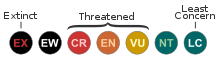
IUCN Red List of Threatened Plants Status : Least Concern.
Growth: S = slow M = medium F = fast. Soil: L = light (sandy) M = medium H = heavy (clay). pH: A = acid N = neutral B = basic (alkaline). Shade: F = full shade S = semi-shade N = no shade. Moisture: D = dry M = Moist We = wet Wa = water.
Now available:
Food Forest Plants for Mediterranean Conditions
350+ Perennial Plants For Mediterranean and Drier Food Forests and Permaculture Gardens.
[Paperback and eBook]
This is the third in Plants For A Future's series of plant guides for food forests tailored to
specific climate zones. Following volumes on temperate and tropical ecosystems, this book focuses
on species suited to Mediterranean conditions—regions with hot, dry summers and cool, wet winters,
often facing the added challenge of climate change.
Read More
Expert comment
Author
(Nash.)Batch.
Botanical References
43235
Links / References
For a list of references used on this page please go here
Readers comment
© 2010, Plants For A Future. Plants For A Future is a charitable company limited by guarantee, registered in England and Wales. Charity No. 1057719, Company No. 3204567.