Translate this page:
Summary
Babaco, Vasconcellea x heilbornii, is a small evergreen tree that is short-lived and grows about 2 m high. It is a hybrid cultivar between Vasconcellea cundinamarcensis and Vasconcellea stipulata. Of all the species in the Vasconcellea genus, Babaco is the most tolerant to cold. It produces only female flowers and can produce 30-60 fruits in a year. The fruits are eaten raw or cooked. It is fragrant and flavorful, and seedless. Plant is propagated by rooting axillary shoots. UPDATE: Vasconcellea × heilbornii V.M.Badillo is a synonym of Vasconcellea × pentagona. Vasconcellea × pentagona (Heilborn) Mabb. ia an accepted hybrid. The native range of this hybrid is W. South America. It grows primarily in the wet tropics. The hybrid formula is V. pubescens × V. stipulata. It is used as a medicine and for food.
Physical Characteristics

 Vasconcellea x heilbornii is an evergreen Tree growing to 2 m (6ft) by 1.5 m (5ft) at a medium rate.
See above for USDA hardiness. It is hardy to UK zone 10. The plant is self-fertile.
Suitable for: light (sandy), medium (loamy) and heavy (clay) soils and prefers well-drained soil. Suitable pH: mildly acid, neutral and basic (mildly alkaline) soils. It cannot grow in the shade. It prefers moist soil.
UK Hardiness Map
US Hardiness Map
Synonyms
Carica chrysopetala Heilborn Carica pentagona Heilborn Carica x heilbornii V.M.Badillo
Plant Habitats
Edible Uses
Edible Parts: Fruit
Edible Uses:
Fruit - raw or cooked[301 ]. Fragrant and flavourful[196 ]. The flavour has been likened to the taste of strawberry, with a hint of pineapple[196 ]. The fruit is usually seedless and can weigh 2 kilos[196 ].
References More on Edible Uses
Medicinal Uses
Plants For A Future can not take any responsibility for any adverse effects from the use of plants. Always seek advice from a professional before using a plant medicinally.
Vasconcellea × pentagona (commonly known as babaco) has several documented medicinal and therapeutic uses, primarily stemming from its rich phytochemical profile and high enzymatic content. It is considered a functional food with significant health benefits (National Institutes of Health). Key Medical and Health Properties: High Antioxidant Activity: Babaco fruit is a rich source of natural antioxidants, including flavonoids (such as rutin) and phenolic compounds, which help combat oxidative stress. Antioxidant capacity is highest when the fruit is fully mature. Anti-inflammatory and Anti-cancer Potential: Studies have identified bioactive compounds in babaco, including honokiol and pterosin B, which are recognized for their potential anti-inflammatory and anti-cancer properties. Digestive Aid: Due to a high content of proteolytic enzymes—specifically papain—the fruit acts as a digestive aid by helping to break down proteins. Wound Healing and Skin Benefits: The enzymes present in the fruit are used in the pharmaceutical industry, particularly in products for bruising and wound healing. The compound aloin A was also detected, which is known for its potential skin benefits. Nutritional Support: The fruit is rich in vitamins A and C, which support immune function. Other Bioactive Compounds: Research has identified further beneficial compounds, including: Urolithin B: A metabolite with anti-inflammatory properties that has been studied for its role in muscle health and longevity. Arginine: An amino acid that aids in protein synthesis and cardiovascular health. Zeatin-9-glucoside: A compound researched for potential anti-aging effects (National Institutes of Health.gov). Vasconcellea × pentagona is a natural hybrid often utilized in traditional medicine in the Andean region of South America for its health-promoting properties.
References More on Medicinal Uses
The Bookshop: Edible Plant Books
Our Latest books on Perennial Plants For Food Forests and Permaculture Gardens in paperback or digital formats.
Edible Tropical Plants
Food Forest Plants for Hotter Conditions: 250+ Plants For Tropical Food Forests & Permaculture Gardens.
More
Edible Temperate Plants
Plants for Your Food Forest: 500 Plants for Temperate Food Forests & Permaculture Gardens.
More
More Books
PFAF have eight books available in paperback and digital formats. Browse the shop for more information.
Shop Now
Other Uses
References More on Other Uses
Cultivation details
A plant of the highland tropics, where it is usually found at elevations of 1,400 - 2,50 metres[196 ]. It can also be grown at lower elevations in subtropical and warm, essentially frost-free temperate areas. Yields of over 100 tonnes per hectare are possible[196 ]. There are several named varieties[301 ]. The plant coppices well[196 ]. Although this species is dioecious (male and female flowers on separate plants), fruits are usually produced parthenocarpically, without the need of pollen for fertilisation[301 , 670 ]. A few viable seeds will often be produced, however, if the flower is pollinated[670 ].
References Carbon Farming Information and Carbon Sequestration Information
Temperature Converter
Type a value in the Celsius field to convert the value to Fahrenheit:
Fahrenheit:
The PFAF Bookshop
Plants For A Future have a number of books available in paperback and digital form. Book titles include Edible Plants, Edible Perennials, Edible Trees,Edible Shrubs, Woodland Gardening, and Temperate Food Forest Plants. Our new book is Food Forest Plants For Hotter Conditions (Tropical and Sub-Tropical).
Shop Now
Plant Propagation
Seed - unlikely to breed true since this is a hybrid species. Seeds are sometimes produced when the flowers are fertilized, these can be used to propagate the plant. Sow the seed in individual containers or in a nursery seedbed in light shade. Germination can be slow and difficult, taking about 30 days[670 ]. Seedlings can be planted out when 4 - 6 months old[670 ]. Cuttings work fairly well and maintain female lines that do not need pollination in order to produce fruit..
Other Names
If available other names are mentioned here
Native Range
SOUTHERN AMERICA: Colombia, Cundinamarca, Huila, Santander, Valle del Cauca, Ecuador, Azuay, Bolívar, Chimborazo, Loja, Pichincha, Tungurahua,
Weed Potential
Right plant wrong place. We are currently updating this section.
Please note that a plant may be invasive in one area but may not
in your area so it's worth checking.
Conservation Status
IUCN Red List of Threatened Plants Status : This taxon has not yet been assessed
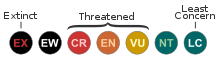
IUCN Red List
Growth: S = slow M = medium F = fast. Soil: L = light (sandy) M = medium H = heavy (clay). pH: A = acid N = neutral B = basic (alkaline). Shade: F = full shade S = semi-shade N = no shade. Moisture: D = dry M = Moist We = wet Wa = water.
Now available:
Food Forest Plants for Mediterranean Conditions
350+ Perennial Plants For Mediterranean and Drier Food Forests and Permaculture Gardens.
[Paperback and eBook]
This is the third in Plants For A Future's series of plant guides for food forests tailored to
specific climate zones. Following volumes on temperate and tropical ecosystems, this book focuses
on species suited to Mediterranean conditions—regions with hot, dry summers and cool, wet winters,
often facing the added challenge of climate change.
Read More
Expert comment
Author
(V.M.Badillo) V.M.Badillo
Botanical References
Links / References
For a list of references used on this page please go here
A special thanks to Ken Fern for some of the information used on this page.
Readers comment
| Add a comment |
|
If you have important information about this plant that may help other users please add a comment or link below. Only comments or links that are felt to be directly relevant to a plant will be included. If you think a comment/link or information contained on this page is inaccurate or misleading we would welcome your feedback at [email protected]. If you have questions about a plant please use the Forum on this website as we do not have the resources to answer questions ourselves.
* Please note: the comments by website users are not necessarily those held by PFAF and may give misleading or inaccurate information.
|
Subject : Vasconcellea x heilbornii
|
|
|
|