Translate this page:
Summary
Saussurea lyrata has been reclassified as Hemisteptia lyrata. Lyrate sawwort is a relatively obscure member of the Asteraceae, occurring in open habitats where moisture and seasonal coolness are present. While not widely recognized as a food plant, it belongs to a genus that includes several species used traditionally for medicinal and occasional food purposes. Its value lies more in ecological and botanical interest than as a dependable food source.
Physical Characteristics

 Saussurea lyrata is a PERENNIAL growing to 0.8 m (2ft 7in) by 0.4 m (1ft 4in).
See above for USDA hardiness. It is hardy to UK zone 5. The species is hermaphrodite (has both male and female organs) and is pollinated by Insects.
Suitable for: light (sandy), medium (loamy) and heavy (clay) soils, prefers well-drained soil and can grow in heavy clay soil. Suitable pH: mildly acid, neutral and basic (mildly alkaline) soils. It cannot grow in the shade. It prefers moist or wet soil.
UK Hardiness Map
US Hardiness Map
Synonyms
Hemisteptia lyrata
Plant Habitats
Cultivated Beds;
Edible Uses
Edible Parts: Leaves
Edible Uses:
Edibility is poorly documented. Some related species have edible young shoots or roots, but Saussurea lyrata should be treated as a plant of uncertain food value. Edible Uses & Rating: This species ranks as low-value or experimental from a foraging perspective. It is not a reliable or recommended food plant. Taste, Processing & Kitchen Notes: There are no well-established culinary uses. Based on related species, young tissues may be mildly bitter or resinous, typical of many Asteraceae. Without reliable information, culinary use should be approached cautiously, if at all. Seasonality (Phenology): Growth begins in spring, with flowering typically occurring in summer. Seed production follows shortly after flowering. Safety & Cautions (Food Use): Due to limited documentation, consumption is not recommended. Many members of the sunflower family contain bitter compounds or secondary metabolites that may cause digestive discomfort. Harvest & Processing Workflow: No standard harvesting or processing methods are established for this species. Cultivar/Selection Notes: No cultivated varieties are known. Selection has focused more on ornamental or medicinal relatives rather than this species. Look-Alikes & Confusion Risks: May resemble other thistle-like or sawwort species within the Asteraceae. Accurate identification is important, especially since some similar species may have different properties. Traditional/Indigenous Use Summary: There is little to no recorded traditional use for this specific species. However, other members of the genus have been used in traditional medicine systems, suggesting potential but unverified applications. Young leaves and flower buds - cooked[177]. The leaves are eaten as a salad[338].
References More on Edible Uses
Medicinal Uses
Plants For A Future can not take any responsibility for any adverse effects from the use of plants. Always seek advice from a professional before using a plant medicinally.
Saussurea lyrata has been reclassified as Hemisteptia lyrata. In traditional Chinese medicine, the entire herb is used for its medicinal properties, including antioxidant and free radical scavenging effects due to the presence of flavonoids and lignans. Medicinal Uses of Hemisteptia lyrata: Traditional Medicine: The whole plant is utilized in traditional Chinese medicine. Antioxidant Properties: Studies indicate that the plant has good antioxidant activity, specifically inhibiting lipid peroxidation in mouse liver. Potential Clinical Applications: Due to the presence of various bioactive compounds, it is being researched for potential clinical applications. (PubMed CentralPMC). Reclassification Note: While search results indicate Saussurea lyrata has potential health benefits, it is officially classified as Hemisteptia lyrata. Some sources might still list it under the older name, but research is generally conducted under the new classification.
References More on Medicinal Uses
The Bookshop: Edible Plant Books
Our Latest books on Perennial Plants For Food Forests and Permaculture Gardens in paperback or digital formats.
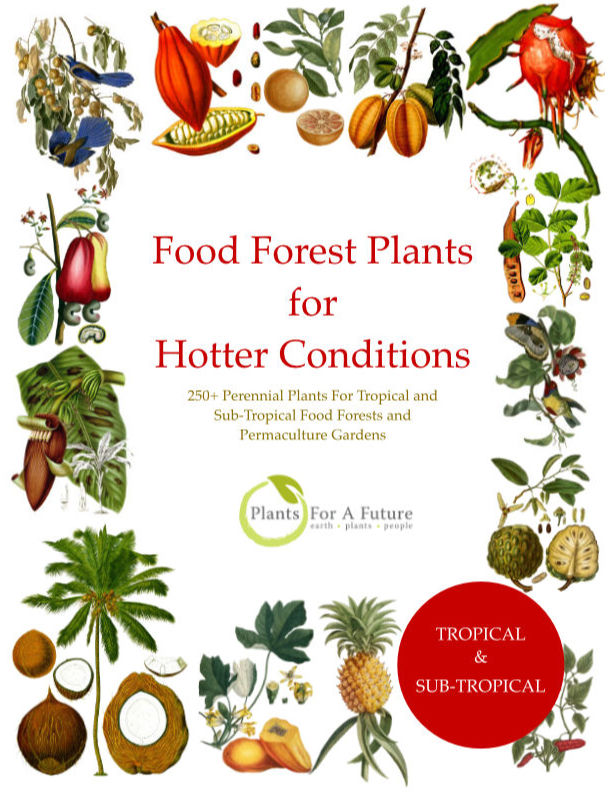
Edible Tropical Plants
Food Forest Plants for Hotter Conditions: 250+ Plants For Tropical Food Forests & Permaculture Gardens.
More
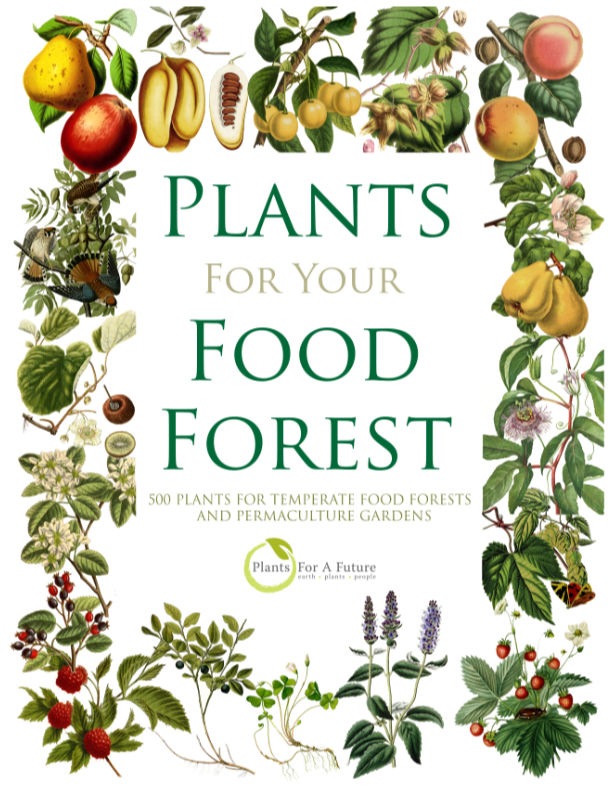
Edible Temperate Plants
Plants for Your Food Forest: 500 Plants for Temperate Food Forests & Permaculture Gardens.
More
More Books
PFAF have eight books available in paperback and digital formats. Browse the shop for more information.
Shop Now
Other Uses
Rarely cultivated, though it could be grown in native or wildflower gardens in suitable climates.
Special Uses
References More on Other Uses
Cultivation details
Lyrate sawwort is primarily of botanical interest rather than practical food use. It is best appreciated as part of native plant communities rather than as a foraging target. Growing Conditions: Prefers well-drained soils with moderate moisture and full sun to partial shade. Often found in cooler environments compared to desert-adapted species. Habitat & Range: Occurs in temperate regions, typically in open slopes, grasslands, or lightly wooded areas. Size & Landscape Performance: A modest upright perennial that integrates well into naturalistic or meadow-style plantings. Cultivation (Horticulture): Rarely cultivated, though it could be grown in native or wildflower gardens in suitable climates. Pests & Problems: Generally resilient, with few major pest issues reported. Identification & Habit: An upright herb with lobed or lyrate leaves and composite flower heads typical of the sunflower family. Flowers are usually clustered and may resemble small thistles without prominent spines. Pollinators: Likely attracts bees and other generalist pollinators typical of Asteraceae flowers. Lyrate sawwort, Saussurea lyrata, belongs to the sunflower family (Asteraceae) and the genus Saussurea. It is a herbaceous perennial of cool to temperate regions, generally suited to USDA Zones 4–8. Plants typically grow 20–80 cm tall, forming upright stems with a modest spread of 20–40 cm. Hemisteptia lyrata is a widely distributed herb found across East and Southeast Asia and parts of Australia. It typically inhabits disturbed, sunny locations such as grasslands, farmlands, roadsides, and riverbanks at elevations ranging from sea level to 3,300 meters. Habitat Types: This species is versatile, adapting to a range of open and disturbed environments. Agricultural and Human-Impacted Areas: Commonly found as a weed in farmlands, wastelands, roadsides, and abandoned fields. Natural Landscapes: Thrives on mountain slopes, in valleys, on forest margins, and in open grasslands. Water-Adjacent Areas: Frequently inhabits riverbanks, creek banks, and low-lying alluvial flats. Environmental Preferences: Soil and Moisture: It prefers heavy clay soils in low-lying areas and tolerates waterlogging. Light: Thrives in sunny locations. Temperature: Favors moderate temperatures, ideally between 60–75°F (15–24°C), and requires protection from frost.
References Carbon Farming Information and Carbon Sequestration Information
Temperature Converter
Type a value in the Celsius field to convert the value to Fahrenheit:
Fahrenheit:
The PFAF Bookshop
Plants For A Future have a number of books available in paperback and digital form. Book titles include Edible Plants, Edible Perennials, Edible Trees,Edible Shrubs, Woodland Gardening, and Temperate Food Forest Plants. Our new book is Food Forest Plants For Hotter Conditions (Tropical and Sub-Tropical).
Shop Now
Plant Propagation
Primarily by seed. Germination may benefit from cold stratification. Ecology & Wildlife: Provides nectar and pollen for insects and contributes to biodiversity in native plant communities.
Other Names
If available other names are mentioned here
Hemisteptia lyrata. Lyrate Sawwort.
Native Range
TEMPERATE ASIA: China, Korea, Japan (Honshu, Kyushu, Ryukyu Islands), Taiwan TROPICAL ASIA: Bangladesh, Bhutan, India (Arunachal Pradesh, Assam, Bihar, Manipur, West Bengal), Nepal, Myanmar AUSTRALASIA: Australia (New South Wales (northeast), Queensland)
Weed Potential
Right plant wrong place. We are currently updating this section.
Please note that a plant may be invasive in one area but may not in your area so it's worth checking.
Low. It does not typically spread aggressively.
Conservation Status
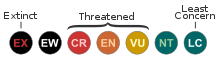
IUCN Red List of Threatened Plants Status : Least Concern
Growth: S = slow M = medium F = fast. Soil: L = light (sandy) M = medium H = heavy (clay). pH: A = acid N = neutral B = basic (alkaline). Shade: F = full shade S = semi-shade N = no shade. Moisture: D = dry M = Moist We = wet Wa = water.
Now available:
Food Forest Plants for Mediterranean Conditions
350+ Perennial Plants For Mediterranean and Drier Food Forests and Permaculture Gardens.
[Paperback and eBook]
This is the third in Plants For A Future's series of plant guides for food forests tailored to
specific climate zones. Following volumes on temperate and tropical ecosystems, this book focuses
on species suited to Mediterranean conditions—regions with hot, dry summers and cool, wet winters,
often facing the added challenge of climate change.
Read More
Expert comment
Author
Franch.
Botanical References
Links / References
For a list of references used on this page please go here
Readers comment
| Add a comment |
|
If you have important information about this plant that may help other users please add a comment or link below. Only comments or links that are felt to be directly relevant to a plant will be included. If you think a comment/link or information contained on this page is inaccurate or misleading we would welcome your feedback at [email protected]. If you have questions about a plant please use the Forum on this website as we do not have the resources to answer questions ourselves.
* Please note: the comments by website users are not necessarily those held by PFAF and may give misleading or inaccurate information.
|
Subject : Saussurea lyrata
|
|
|
|