Translate this page:
Summary
Whitebract blazingstar is an annual desert wildflower native to the southwestern United States, particularly southeastern California and southwestern Arizona. It belongs to the genus Mentzelia, a group of plants commonly called blazingstars or stickleafs for their attractive flowers and rough foliage that readily clings to clothing. The plant is especially well adapted to the hot, dry conditions of the Colorado Desert, where it grows in sandy and gravelly soils, frequently along desert washes and at the bases of mountains. Whitebract blazingstar produces attractive yellow flowers followed by distinctive, upright, cup-shaped seed capsules. These capsules contain numerous small, yellowish-brown seeds with pale coatings. The seeds are among the most promising wild foods described in the supplied blazingstar field assessments. Unlike those of many related species, they are relatively easy to gather, require little processing, and have a pleasant flavor and aroma reminiscent of pancakes and eggs. You can eat the seeds without elaborate preparation, boiled or lightly toasted. Their versatility makes them suitable for porridge, breakfast cereals, and use in other foods. Whitebract blazingstar is also an important component of native desert vegetation, contributing to seasonal wildflower diversity in one of North America's driest environments.
Physical Characteristics

 Mentzelia involucrata is a ANNUAL growing to 0.3 m (1ft) by 0.3 m (1ft in) at a fast rate.
See above for USDA hardiness. It is hardy to UK zone 10. The flowers are pollinated by Bees, Insects.
It is noted for attracting wildlife.
Suitable for: light (sandy) and medium (loamy) soils, prefers well-drained soil and can grow in nutritionally poor soil. Suitable pH: mildly acid, neutral and basic (mildly alkaline) soils. It cannot grow in the shade. It prefers dry or moist soil and can tolerate drought.
UK Hardiness Map
US Hardiness Map
Synonyms
Bicuspidaria involucrata (S.Watson) Rydb.
Plant Habitats
Edible Uses
Whitebract blazingstar is one of the most promising edible seed plants described in the supplied field assessments of the Colorado Desert. Its seeds are unusually easy to gather, taste like pancakes and eggs, and can be prepared in several ways. Unlike the small, difficult-to-process seeds of some other blazingstars, whitebract blazingstar seeds can be poured directly from mature capsules and require relatively little cleaning. You can eat them raw, boil them, lightly toast them, or incorporate them into other foods. The plant is also an attractive native wildflower with ecological value in desert scrub and wash communities. Its main limitations are seasonal, unpredictable availability; the need for correct identification; and limited scientific information on the seeds' nutritional composition and long-term dietary safety. With an edibility rating of 5 out of 5, whitebract blazingstar is an excellent potential wild seed food and one of the most appealing edible blazingstars of the American Southwest [2-3]. The seeds are edible and are the principal food resource provided by whitebract blazingstar. They are relatively soft and can be eaten without cooking, although cleaning and inspection are still advisable. The seeds have a distinctive yellowish-brown color and a pale, almost bone-white coating. Unlike the tough or papery seed coverings of some other blazingstars, these coatings are soft enough to eat. Each plant produces numerous capsules containing multiple seeds. Once mature, you can pour the seeds directly from the upright, cup-shaped capsules. The seeds are suitable for boiling, light toasting, or grinding into meal. They may also be used as a topping for other foods. Whitebract blazingstar is one of the ten best wild foods sampled in the Colorado Desert [2-3]. Edibility Rating: 5 out of 5 – Excellent edible seed plant [2-3]. Whitebract blazingstar is one of the most useful edible species in the Mentzelia genus. Its seeds have an appealing flavor, require little processing, and are easy to gather from mature capsules. They are versatile enough to eat raw, boil, toast, or incorporate into other foods. The rating reflects this species' exceptionally favorable field assessment. It does not imply that its nutritional composition or long-term dietary safety has been fully studied [2-3]. Taste and Preparation: Whitebract blazingstar seeds have an unusually pleasant flavor and aroma compared with many other wild seeds. Their flavor is reminiscent of pancakes and eggs, making them particularly appealing for breakfast. The seeds are relatively soft and have pale coatings that do not need to be removed before eating [2-3]. Gathering the Seeds: Gathering whitebract blazingstar seeds is straightforward. The plant produces upright, cup-shaped capsules that retain their seeds after maturity. Because the capsules remain upright on relatively stiff stems, the seeds are not immediately scattered by the wind. Once the capsules are fully dry, the seeds can often be poured directly into a collecting container. Breaking apart the dried capsules helps release any seeds trapped near their bases. Lightweight leather gloves help because the plant's rough hairs can cling to the skin, though gloves aren't always essential [2-3]. Boiling: Boiling causes the seeds to absorb water, expand, and become less wrinkled. The cooking liquid may develop a slightly alkaline character. You can eat the cooked seeds as a simple porridge or incorporate them into other dishes [2-3]. Toasting: Lightly toasting the seeds produces a pleasantly crunchy texture. The seeds are moderately resistant to burning, making them relatively forgiving during gentle toasting. You can eat toasted seeds as a snack or use them as an ingredient in breakfast cereals. They are particularly suitable for sprinkling over yogurt, fruit salads, and similar foods [2-3]. Other Uses: You can also add the seeds to granola, grind them into a meal, or incorporate them into baked goods. These are suggested culinary applications based on their observed flavor and texture, rather than separately documented traditional recipes for this species [2-3]. Seasonality: Whitebract blazingstar is a cool-season desert annual whose growth is strongly influenced by winter and spring rainfall. The plant generally flowers during spring, with seed capsules developing as temperatures rise. Seeds may mature as early as May [2-3]. The main seed-gathering period is generally late spring to early summer, although timing varies with rainfall and local conditions. A key advantage of whitebract blazingstar is that mature capsules remain upright and hold their seeds for some time. This allows harvesting to continue after the seeds have dried, rather than requiring immediate collection as soon as they mature. During drought years, plants may be scarce or produce few seeds. Traditional Uses: Whitebract blazingstar belongs to a genus with a substantial history of traditional food use among Indigenous peoples of western North America. People gathered and processed seeds from several Mentzelia species into porridge, flour, seed butter, and other foods. We have not documented a particular Indigenous community or traditional recipe specifically associated with Mentzelia involucrata. Its culinary value is instead supported by direct field observations describing the ease of gathering, pleasant flavor, and versatility of its seeds. These observations suggest that whitebract blazingstar could have been a useful seasonal seed resource, but this should not be presented as evidence of a specific historical use without further documentation [2-3]. Safety: Whitebract blazingstar seeds have been sampled directly as food with favorable results. However, correct species identification is essential, particularly because some members of the Mentzelia genus are known to accumulate selenium. For example, ten-petal blazingstar (Mentzelia decapetala) has been identified as a selenium-accumulating species. This does not establish that whitebract blazingstar accumulates dangerous quantities of selenium, but it shows why edible uses should not automatically transfer between different Mentzelia species. Detailed toxicological testing and nutritional analyses of Mentzelia involucrata seeds are not provided. Their pleasant taste and the traditional use of related species should not be treated as proof of safety when consumed in unlimited quantities. Avoid gathering seeds from contaminated soils, mining areas, chemically treated land, or polluted roadsides. The rough hairs covering the leaves and stems can cling to clothing and skin and may cause mechanical irritation. Lightweight gloves may be useful when collecting seeds.
References More on Edible Uses
Medicinal Uses
Plants For A Future can not take any responsibility for any adverse effects from the use of plants. Always seek advice from a professional before using a plant medicinally.
No documented evidence or formal scientific support for the clinical effectiveness of Mentzelia involucrata in medical treatment.
References More on Medicinal Uses
Other Uses
Whitebract blazingstar may be suitable for native desert gardens, dryland wildflower plantings, and ecological restoration projects within its natural range. Its attractive flowers and distinctive white bracts make it an interesting ornamental species for desert gardens. Whitebract blazingstar contributes to desert biodiversity by providing flowers for native pollinating insects. Its large, pale flowers are visited by desert bees and other insects. The flowers offer pollen and nectar during the spring flowering period. The seeds may also provide food for small seed-eating animals, although specific wildlife relationships are not documented in the supplied notes. As a native annual wildflower, whitebract blazingstar contributes to seasonal plant diversity in creosote bush scrub and desert wash communities.
Special Uses
References More on Other Uses
Cultivation details
Whitebract blazingstar grows best in full sun and exceptionally well-drained sandy, gravelly, or rocky soils. It is adapted to the extreme conditions of the Colorado Desert, where summer temperatures are high and annual rainfall is low. The plant relies primarily on seasonal rainfall to germinate and grow. Winter moisture is particularly important because it allows plants to establish and complete much of their life cycle before the most intense summer heat. It commonly grows in open desert habitats where competition from taller vegetation is limited. Persistently wet soils and heavy irrigation are unsuitable. Habitat: Whitebract blazingstar is native to the Colorado Desert region of southeastern California and southwestern Arizona. It is particularly associated with dry desert washes, sandy and gravelly slopes, and the bases of desert mountains. These habitats often experience brief periods of moisture following winter storms or occasional runoff. The plant is adapted to open, exposed environments with intense sunlight and low soil fertility. It may occur among creosote bush scrub and other characteristic desert vegetation. Its abundance varies considerably between years because germination and growth depend on seasonal rainfall. USDA Hardiness Zones: USDA Zones 9–11 (approximate). Whitebract blazingstar is a desert annual, so its survival depends more on seasonal rainfall, germination conditions, and completion of its life cycle than on the winter hardiness of mature plants. It grows naturally in hot, low-elevation desert environments where winters are generally mild but occasional frosts may occur. The suggested hardiness zones are ecological estimates, not a verified horticultural classification. Growth Rate: Fast during favorable growing conditions. Whitebract blazingstar completes its life cycle within a single growing season. After adequate winter rainfall, seeds germinate, and plants develop rapidly, producing flowers in late winter and spring. Seed production generally follows during spring and early summer. Growth may be greatly reduced or absent during drought years. Mature Size: Height: 7–35 cm (3–14 inches), occasionally reaching 45 cm (18 inches). Spread: Variable, generally compact to loosely spreading. A reliable mature width is not specified in the botanical references consulted. Whitebract blazingstar is a relatively small annual, with a basal cluster of leaves and upright flowering stems. Its overall size depends strongly on seasonal rainfall and growing conditions. Cultivation: Whitebract blazingstar may suit native desert gardens, dryland wildflower plantings, and ecological restoration projects within its natural range. It prefers full sun, excellent drainage, and sandy or gravelly soils. The plant is adapted to winter rainfall and spring growth rather than regular summer irrigation. In cultivation, sowing in autumn or early winter may help reproduce its natural growing cycle. Because it is an annual, allow plants to flower and produce mature seeds if you want a self-sustaining population. Its attractive flowers and distinctive white bracts make it an interesting ornamental species for desert gardens. However, detailed cultivation information specific to Mentzelia involucrata is limited. Identification: Whitebract blazingstar is a small annual herb with upright stems, generally growing 7–35 cm tall. The leaves are simple and alternate, with rough surfaces covered in specialized hairs. Basal leaves are relatively large and may form a loose rosette. They are lance-shaped and can reach approximately 10–16 cm long. Stem leaves are generally oval to lance-shaped, with irregularly toothed or lobed margins. The upper leaves may have broad bases that partly clasp the stems. Flowers The flowers are among this species' most distinctive features. They are relatively large for a small desert annual, with white to pale yellow petals, often marked by orange veins. Flora of North America records petals approximately 13–65 mm long. The flowers are surrounded by conspicuous, papery white bracts with green margins. These bracts partly conceal the flower stalk, ovary, and developing fruit. This distinctive arrangement is the origin of the common name whitebract blazingstar. The flowers have five petals and numerous stamens. Fruits and Seeds: The fruits are upright, cylindrical-to-cup-shaped capsules. According to Flora of North America, the capsules are approximately 14–25 mm long, occasionally reaching 30 mm, and 5–10 mm wide. The capsules contain numerous seeds. The seeds are yellowish-brown, often with pale or bone-white coatings. They are wrinkled and relatively soft compared with those of some other blazingstars. The upright capsules are particularly useful for harvesting because they retain mature seeds rather than immediately releasing them onto the ground. Similar Species: United blazingstar (Mentzelia congesta) also has conspicuous pale bracts associated with its flowers. However, the two species are not closely related within the genus. Whitebract blazingstar is distinguished by large, papery white bracts with green margins, pale flowers, and characteristic seed morphology. Yellowcomet blazingstar (Mentzelia affinis) occurs in similar desert habitats but has smaller yellow flowers and relatively smooth, prism-shaped seeds with grooves along their angles. Whitestem blazingstar (Mentzelia albicaulis) produces grain-shaped seeds with irregular ridges and pointed surface bumps. Bushy blazingstar (Mentzelia dispersa) produces small, prism-shaped seeds with relatively smooth surfaces. Bullet blazingstar (Mentzelia pumila) has flat, lens-shaped, winged seeds that differ considerably from the wrinkled, pale-coated seeds of whitebract blazingstar. Because many blazingstars have similar foliage, reliable identification depends on the flowers, bracts, capsules, and seeds.
References Carbon Farming Information and Carbon Sequestration Information
Temperature Converter
Type a value in the Celsius field to convert the value to Fahrenheit:
Fahrenheit:
The PFAF Bookshop
Plants For A Future have a number of books available in paperback and digital form. Book titles include Edible Plants, Edible Perennials, Edible Trees,Edible Shrubs, Woodland Gardening, and Temperate Food Forest Plants. Our new book is Food Forest Plants For Hotter Conditions (Tropical and Sub-Tropical).
Shop Now
Plant Propagation
Whitebract blazingstar reproduces by seed. Seeds develop inside upright capsules that mature during spring and early summer. Collect them when the capsules are fully dry. Propagation is likely to be most successful when conditions resemble the plant's natural desert environment, particularly well-drained soils and seasonal winter moisture. Seeds may be sown directly into sandy or gravelly soil. The precise dormancy requirements and optimum germination temperatures are not established in the supplied.
Other Names
If available other names are mentioned here
Sand Blazing Star, Whitebract blazingstar, white-bracted blazingstar, whitebract stickleaf.
Native Range
US. USA. Arizona, California, Mexico Northwest.
Weed Potential
Right plant wrong place. We are currently updating this section.
Please note that a plant may be invasive in one area but may not
in your area so it's worth checking.
Low. Whitebract blazingstar is a native desert annual and is not generally recognized as an invasive weed. It is adapted to specialized dryland habitats and depends on suitable seasonal rainfall for successful reproduction. Although plants can produce numerous seeds during favorable years, this is a normal characteristic of desert annual wildflowers. Outside its native range, its ability to establish and spread is uncertain.
Conservation Status
IUCN Red List of Threatened Plants Status : Not listed.
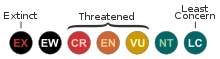
IUCN Red List
Growth: S = slow M = medium F = fast. Soil: L = light (sandy) M = medium H = heavy (clay). pH: A = acid N = neutral B = basic (alkaline). Shade: F = full shade S = semi-shade N = no shade. Moisture: D = dry M = Moist We = wet Wa = water.
Now available:
Food Forest Plants for Mediterranean Conditions
350+ Perennial Plants For Mediterranean and Drier Food Forests and Permaculture Gardens.
[Paperback and eBook]
This is the third in Plants For A Future's series of plant guides for food forests tailored to
specific climate zones. Following volumes on temperate and tropical ecosystems, this book focuses
on species suited to Mediterranean conditions—regions with hot, dry summers and cool, wet winters,
often facing the added challenge of climate change.
Read More
Expert comment
Author
S.Watson
Botanical References
Links / References
For a list of references used on this page please go here
Readers comment
| Add a comment |
|
If you have important information about this plant that may help other users please add a comment or link below. Only comments or links that are felt to be directly relevant to a plant will be included. If you think a comment/link or information contained on this page is inaccurate or misleading we would welcome your feedback at [email protected]. If you have questions about a plant please use the Forum on this website as we do not have the resources to answer questions ourselves.
* Please note: the comments by website users are not necessarily those held by PFAF and may give misleading or inaccurate information.
|
Subject : Mentzelia involucrata
|
|
|
|