 |
|
http://commons.wikimedia.org/wiki/User:Stan_Shebs |
 |
| http://commons.wikimedia.org/wiki/User:Stan_Shebs |
Translate this page:
Summary
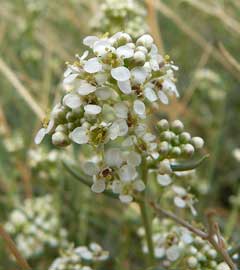
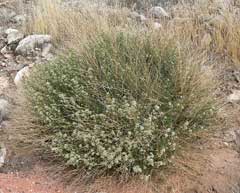
Desert pepperweed is a hardy native mustard of the Mojave Desert, Black Rock Desert, and scattered parts of the Great Basin. It thrives where few edible plants survive, tolerating intense heat, drought, and poor soils. Although the plant is technically edible, it is among the hottest and most bitter members of the pepperweed genus. Its intensely pungent flavor greatly limits its culinary value, making it a last-resort food rather than a desirable wild vegetable.
Physical Characteristics

 Lepidium fremontii is a PERENNIAL growing to 0.5 m (1ft 8in) by 0.4 m (1ft 4in) at a fast rate.
See above for USDA hardiness. It is hardy to UK zone 7. The species is hermaphrodite (has both male and female organs) and is pollinated by Insects.
It is noted for attracting wildlife.
Suitable for: light (sandy) and medium (loamy) soils and can grow in nutritionally poor soil. Suitable pH: mildly acid, neutral and basic (mildly alkaline) soils. It can grow in semi-shade (light woodland) or no shade. It prefers dry or moist soil and can tolerate drought.
UK Hardiness Map
US Hardiness Map
Synonyms
Nasturtium fremontii (S.Watson) Kuntze
Plant Habitats
Woodland Garden Sunny Edge; Dappled Shade;
Edible Uses
Edible Parts: Leaves Seed
Edible Uses: Condiment Drink
Desert pepperweed shows the mustard family's remarkable adaptability to harsh desert environments. While it provides edible greens, flower buds, and seeds, its intensely peppery, bitter flavor makes it one of the least desirable edible pepperweeds. For most foragers, it is best regarded as an emergency food or wild seasoning rather than a dependable vegetable, although its ability to grow where few other edible plants survive gives it value in true survival situations. The seeds are edible, and the leaves and flower buds are also believed to be edible, although their culinary value is extremely limited. Fresh leaves possess an exceptionally strong peppery flavor combined with intense bitterness. Even small quantities can overwhelm other foods. You can cook the flower buds and use them similarly to broccoli, although their flavor remains very sharp. Because of its extreme pungency, desert pepperweed is best regarded as a survival food rather than a regular vegetable [2-3]. Edibility Rating: 2 out of 5 – Technically edible, but the intensely bitter and peppery flavor makes it suitable only for limited use or emergency situations. Taste and Preparation: Desert pepperweed ranks among the hottest-tasting species in the genus. Fresh leaves are intensely spicy with strong bitter and alkaline overtones that quickly overpower the palate. They are generally unsuitable for salads except in extremely small quantities. Boiling softens the texture but does little to improve the flavor. The cooking water becomes strongly flavored and is best discarded, as it retains much of the plant's bitterness. Leaves, flower buds, and flowers quickly soften to a mushy consistency during cooking, further reducing their appeal. The immature flower buds may serve as a very spicy broccoli substitute, but they retain much of their pungency even after cooking. The seeds, like those of other Lepidium species, can be ground and used sparingly as a pepper substitute [2-3]. Seasonality (Phenology): Desert pepperweed blooms from March to June. Young leaves are available during spring, flower buds appear shortly before blooming, and seeds mature from late spring into early summer [2-3]. Nutritional Value: Like other mustard-family plants, the leaves provide vitamins, minerals, fiber, and antioxidant compounds, while the seeds contain oils and protein. However, the strong flavor limits how much people normally consume. Traditional Uses: Although specific ethnobotanical records are limited, people have traditionally valued pepperweeds as both vegetables and seasonings. Desert pepperweed appears to have been of relatively minor importance compared with more palatable members of the genus, probably because of its extremely pungent flavor [2-3]. Safety: Desert pepperweed is not considered poisonous, but its exceptionally high concentration of pungent mustard compounds makes it unpleasant to eat in quantity. Harvest only young plants from clean locations, and consume in moderation. Young leaves - raw or cooked[61]. A hot cress-like flavour. Seed - dried and ground into a powder which can be used as a mush or mixed with cereal flours to make bread[161]. The seed can also be used as a flavouring[46, 61]. The seeds can be pounded, mixed with water and used as a beverage[257].
References More on Edible Uses
Medicinal Uses
Plants For A Future can not take any responsibility for any adverse effects from the use of plants. Always seek advice from a professional before using a plant medicinally.
None known
References More on Medicinal Uses
The Bookshop: Edible Plant Books
Our Latest books on Perennial Plants For Food Forests and Permaculture Gardens in paperback or digital formats.
Edible Tropical Plants
Food Forest Plants for Hotter Conditions: 250+ Plants For Tropical Food Forests & Permaculture Gardens.
More
Edible Temperate Plants
Plants for Your Food Forest: 500 Plants for Temperate Food Forests & Permaculture Gardens.
More
More Books
PFAF have eight books available in paperback and digital formats. Browse the shop for more information.
Shop Now
Other Uses
Desert pepperweed is easily grown from seed in dry, well-drained soils with full sun. It needs little supplemental water once established and suits xeriscapes and native desert gardens well. Wildlife Value: The flowers provide nectar and pollen for insects, and small birds eat the seeds. The plant also contributes to the diversity of native desert annual communities. Pollinators: The small white flowers attract native bees, hoverflies, and numerous other small pollinating insects during spring.
Special Uses
References More on Other Uses
Cultivation details
Desert pepperweed thrives in full sun on dry, sandy, gravelly, or rocky soils. It is highly drought-tolerant and well adapted to some of the harshest environments in western North America. Habitat: Native to the Mojave Desert, Black Rock Desert, and scattered locations throughout the Great Basin. It commonly grows on desert flats, rocky slopes, washes, and open shrublands at low to middle elevations. USDA Hardiness Zones: USDA Zones 6–9. Growth Rate: Fast. Plants germinate after seasonal rains, grow rapidly during spring, flower, set seed, and complete their life cycle before the onset of prolonged summer drought. Mature Size: Typically 15–50 cm (6–20 in.) tall with a spread of 15–40 cm (6–16 in.). Cultivation: Desert pepperweed is easily grown from seed in dry, well-drained soils with full sun. It needs little supplemental water once established and suits xeriscapes and native desert gardens. Pollinators: The small white flowers attract native bees, hoverflies, and numerous other small pollinating insects during spring. Desert pepperweed is not considered poisonous, but its exceptionally high concentration of pungent mustard compounds makes it unpleasant to eat in quantity. Harvest only young plants from clean locations, and consume in moderation. Identification: Desert pepperweed is an erect annual or short-lived perennial with numerous branching stems, narrow alternate leaves, and clusters of tiny white flowers. Like other members of the genus, it produces distinctive flattened, coin-shaped seedpods with two chambers, each containing a single seed. The plant is often recognized by its abundance in arid desert habitats where relatively few leafy herbs occur. Similar Species: Desert pepperweed resembles several other Southwestern Lepidium species, particularly mountain pepperweed (Lepidium montanum), which also has strongly bitter foliage. Shaggyfruit pepperweed (Lepidium lasiocarpum) differs in its woolly seedpods, while shield pepperweed (Lepidium perfoliatum) is easily recognized by its clasping upper leaves.
References Carbon Farming Information and Carbon Sequestration Information
Temperature Converter
Type a value in the Celsius field to convert the value to Fahrenheit:
Fahrenheit:
The PFAF Bookshop
Plants For A Future have a number of books available in paperback and digital form. Book titles include Edible Plants, Edible Perennials, Edible Trees,Edible Shrubs, Woodland Gardening, and Temperate Food Forest Plants. Our new book is Food Forest Plants For Hotter Conditions (Tropical and Sub-Tropical).
Shop Now
Plant Propagation
Seed - sow spring in a cold frame. When they are large enough to handle, prick the seedlings out into individual pots and plant them out in the summer. Division in spring.
Other Names
If available other names are mentioned here
Desert pepperweed, Fremont's pepperweed
Native Range
NORTHERN AMERICA: United States (Arizona (northwest), California (southeast), Nevada, Utah (Washington Co.))
Weed Potential
Right plant wrong place. We are currently updating this section.
Please note that a plant may be invasive in one area but may not in your area so it's worth checking.
Low. Although it can be locally abundant after heavy rainfall, desert pepperweed is a native species and not considered invasive.
Conservation Status
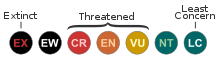
IUCN Red List of Threatened Plants Status : Not listed.
Growth: S = slow M = medium F = fast. Soil: L = light (sandy) M = medium H = heavy (clay). pH: A = acid N = neutral B = basic (alkaline). Shade: F = full shade S = semi-shade N = no shade. Moisture: D = dry M = Moist We = wet Wa = water.
Now available:
Food Forest Plants for Mediterranean Conditions
350+ Perennial Plants For Mediterranean and Drier Food Forests and Permaculture Gardens.
[Paperback and eBook]
This is the third in Plants For A Future's series of plant guides for food forests tailored to
specific climate zones. Following volumes on temperate and tropical ecosystems, this book focuses
on species suited to Mediterranean conditions—regions with hot, dry summers and cool, wet winters,
often facing the added challenge of climate change.
Read More
Expert comment
Author
S.Watson.
Botanical References
71
Links / References
For a list of references used on this page please go here
Readers comment
| Add a comment |
|
If you have important information about this plant that may help other users please add a comment or link below. Only comments or links that are felt to be directly relevant to a plant will be included. If you think a comment/link or information contained on this page is inaccurate or misleading we would welcome your feedback at [email protected]. If you have questions about a plant please use the Forum on this website as we do not have the resources to answer questions ourselves.
* Please note: the comments by website users are not necessarily those held by PFAF and may give misleading or inaccurate information.
|
Subject : Lepidium fremontii
|
|
|
|