Translate this page:
Summary
Physical Characteristics

 Gastrodia elata is a PERENNIAL growing to 1 m (3ft 3in) by 0.3 m (1ft).
See above for USDA hardiness. It is hardy to UK zone 6. It is in flower from July to August. The species is hermaphrodite (has both male and female organs).
Suitable for: light (sandy), medium (loamy) and heavy (clay) soils. Suitable pH: mildly acid, neutral and basic (mildly alkaline) soils. It can grow in full shade (deep woodland) or semi-shade (light woodland). It prefers moist soil.
UK Hardiness Map
US Hardiness Map
Synonyms
Plant Habitats
Woodland Garden Dappled Shade; Shady Edge; not Deep Shade;
Edible Uses
Edible Parts: Root
Edible Uses:
Root - raw or roasted[61, 178]. Large[178].
References More on Edible Uses
Medicinal Uses
Plants For A Future can not take any responsibility for any adverse effects from the use of plants. Always seek advice from a professional before using a plant medicinally.
Analgesic Antispasmodic Aphrodisiac Carminative Cholagogue Sedative Tonic Epilepsy
This species has been used in Chinese herbal medicine for over 1,500 years[238]. The root contains a number of phenolic compounds with medicinal actions[279]. It is a sweet, acrid, herb that is analgesic, anticonvulsive, antispasmodic, carminative, cholagogue, sedative and tonic[147, 174, 176, 238, 279]. It is used internally in the treatment of convulsive illnesses (such as epilepsy and tetanus), rheumatoid arthritis, vertigo and numbness associated with liver disharmony[238]. The root is harvested in the autumn and dried for later use[238]. The stem is aphrodisiac and tonic[218].
References More on Medicinal Uses
Other Uses
References More on Other Uses
Cultivation details
A saprophytic herb, it is without green parts and is entirely dependant upon a fungus for its nutriment[238]. This makes it very difficult to cultivate outside its native range. As well as its fungal host, it also requires a damp humus-rich soil in a sheltered woodland position[238]. The plants are very hardy, tolerating temperatures down to at least -15°c[238]. This plant is becoming increasingly rare in the wild, due to over-collection as a medicinal plant[238]. Methods of cultivating it have now been devised in China[238]. Orchids are, in general, shallow-rooting plants of well-drained low-fertility soils. Their symbiotic relationship with a fungus in the soil allows them to obtain sufficient nutrients and be able to compete successfully with other plants. They are very sensitive to the addition of fertilizers or fungicides since these can harm the symbiotic fungus and thus kill the orchid[230].
References Carbon Farming Information and Carbon Sequestration Information
Temperature Converter
Type a value in the Celsius field to convert the value to Fahrenheit:
Fahrenheit:
Plant Propagation
Seed - surface sow, preferably as soon as it is ripe, into the plants natural habitat near existing colonies, or onto a bed of Quercus wood inoculated with the fungus Armillaria mellea (introduce this fungus into your land with extreme caution since it kills trees and there is no known preventative[K]). The seed of this species is extremely simple, it has a minute embryo surrounded by a single layer of protective cells. It contains very little food reserves and depends upon a symbiotic relationship with a species of soil-dwelling fungus. The fungal hyphae invade the seed and enter the cells of the embryo. The orchid soon begins to digest the fungal tissue and this acts as a food supply for the plant. Division in autumn. The plant is very intolerant of root disturbance, any moving or dividing should be attempted in the autumn, keep a large ball of soil around the plant[1].
Other Names
If available other names are mentioned here
Native Range
TEMPERATE ASIA: China (Anhui Sheng, Gansu Sheng, Guangxi Zhuangzu Zizhiqu, Guizhou Sheng, Hebei Sheng, Henan Sheng, Hubei Sheng, Hunan Sheng, Jiangsu Sheng, Jilin Sheng, Liaoning Sheng, Nei Mongol Zizhiqu, Shaanxi Sheng, Shandong Sheng, Shanxi Sheng, Sichuan Sheng, Xizang Zizhiqu, Yunnan Sheng), Japan (Hokkaidô, Honshu)
Weed Potential
Right plant wrong place. We are currently updating this section.
Please note that a plant may be invasive in one area but may not
in your area so it's worth checking.
Conservation Status
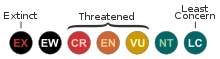
IUCN Red List of Threatened Plants Status :
IUCN Red List
Growth: S = slow M = medium F = fast. Soil: L = light (sandy) M = medium H = heavy (clay). pH: A = acid N = neutral B = basic (alkaline). Shade: F = full shade S = semi-shade N = no shade. Moisture: D = dry M = Moist We = wet Wa = water.
Support Plants For A Future
Plants For A Future relies on regular donations to keep our free database and search facilities going, to pay for ongoing research, improvements and enhancements, and to develop and publish new books.
Read more
Choose Currency
Donate in £ GBP
Donate in $ USD
Donate in € EUR
Securely pay via PayPal or Credit/Debit Card without an account.
Expert comment
Author
Blume.
Botanical References
58
Links / References
For a list of references used on this page please go here
Readers comment
| Add a comment |
|
If you have important information about this plant that may help other users please add a comment or link below. Only comments or links that are felt to be directly relevant to a plant will be included. If you think a comment/link or information contained on this page is inaccurate or misleading we would welcome your feedback at [email protected]. If you have questions about a plant please use the Forum on this website as we do not have the resources to answer questions ourselves.
* Please note: the comments by website users are not necessarily those held by PFAF and may give misleading or inaccurate information.
|
Subject : Gastrodia elata
|
|
|
|