Translate this page:
Summary
California barrel cactus is one of the classic upright barrel cacti of the Mojave and Sonoran deserts. It is striking, long-lived, heavily armed, and highly drought-adapted. As a food plant, it is most valuable for its seeds, followed by the fruits and flowers. The stem can technically be processed as cactus candy, but that use destroys the plant and generally requires large amounts of added sweetener, so it should not be considered a normal foraging practice. California barrel cactus, Ferocactus cylindraceus, belongs to the cactus family (Cactaceae) and the genus Ferocactus. Common names include California barrel cactus, compass barrel, miner’s compass, and barrel cactus. It is generally suited to USDA Zones 9–11 in warm, arid climates with excellent drainage. Mature plants commonly reach about 40–160 cm tall and 25–60 cm wide. It occurs in Arizona, California, Sonora, southern Nevada, and just into southwestern Utah.
Physical Characteristics

 Ferocactus acanthodes subsp. acanthodes is a SHRUB growing to 0.6 m (2ft) by 0.6 m (2ft in) at a slow rate.
See above for USDA hardiness. It is hardy to UK zone 10. The flowers are pollinated by Bees, Insects.
It is noted for attracting wildlife.
Suitable for: light (sandy) and medium (loamy) soils, prefers well-drained soil and can grow in nutritionally poor soil. Suitable pH: mildly acid, neutral and basic (mildly alkaline) soils and can grow in very alkaline soils.
It cannot grow in the shade. It prefers dry soil and can tolerate drought.
UK Hardiness Map
US Hardiness Map
Synonyms
Echinocactus acanthodes var. rostii (Britton & Rose) Munz. Echinocactus leopoldii É.Morren. Echinocactus rostii (Britton & Rose) A.Berger. Echinocactus viridescens var. cylindraceus Engelm. Ferocactus acanthodes var. rostii (Britton & Rose) W.T.Marshall. Ferocactus acanthodes subsp. rostii (Britton & Rose) Lodé. Ferocactus cylindraceus (Engelm.) Orcutt. Ferocactus rostii Britton & Rose
Plant Habitats
Edible Uses
The fruits, seeds, flowers, and processed stem tissue are edible, but the seeds are the best food part. Fruits are edible but slimy and more vegetable-like than sweet. Flowers can be cooked as vegetables. Stem use should be avoided except in genuine survival circumstances because harvesting the stem kills the cactus and may be illegal [2-3]. Edible Uses & Rating: California barrel cactus ranks as a good seed plant, a fair fruit plant, a fair flower vegetable, and a poor stem food. The seeds are the most practical edible part because they are nutritious, storable, and flavorful when toasted. The fruits are edible but slimy and tart. The flowers are edible but small and scaly [2-3]. Taste, Processing & Kitchen Notes: The flowers are reasonably good but have thick scales that can be difficult to chew, while the petals, stamens, and pistils are slimier. The fruits are yellow, spineless, scaly, juicy, tart, and filled with semi-sweet pulp and numerous black seeds. Their texture is often excessively slimy, so they are better in cooked dishes such as stir-fries, stews, or mixed vegetable preparations than as dessert fruits. The seeds are the prize. Lightly toasted over low heat, they become delicately crunchy, aromatic, and genuinely food-like. They should be toasted carefully because small cactus seeds can scorch quickly and may jump in the pan. Seasonality (Phenology): California barrel cactus often blooms earlier than many other barrel cacti, from spring into early summer. The fruits may mature from early to midsummer. Some references note Ferocactus flowers commonly form near the top of the cactus and are followed by small fruits eaten by desert birds and mammals. Safety & Cautions (Food Use): Many barrel cacti are protected, and destructive harvesting is often unlawful. Fruits and seeds may be gathered where legal, but stems should not be cut. Cactus flesh is not a good substitute for water except in emergency survival situations; barrel cactus juice is mucilaginous and may cause nausea, vomiting, or joint pain. The plant is heavily spined and must be handled with care [2-3]. Harvest & Processing Workflow: Harvest only ripe fruits or spent flowers where legal and abundant. Use tongs or heavy gloves. Cut or pull fruits carefully without damaging the growing tip. Split the fruits, separate the seeds from the pulp, rinse if needed, dry thoroughly, and toast gently over low heat. Fruits can be chopped and cooked with other vegetables to reduce the slimy effect. Cultivar/Selection Notes: Three varieties of Ferocactus cylindraceus are recognized by some authorities, based mainly on spine characters. In horticulture, selection is usually based on spine color, form, and provenance rather than on food value. Look-Alikes & Confusion Risks: The California barrel cactus resembles other Ferocactus species, especially the Arizona barrel cactus, whose range overlaps. The tall cylindrical form, heavy annulate spines, yellowish fruits, and Mojave-Sonoran habitat are useful clues. Unlike prickly pears and chollas, barrel cacti have no joints and no glochids [2-3]. Traditional/Indigenous Use Summary: Barrel cacti were important resources for desert peoples, especially for seeds, fruits, and processed stem tissue. Traditional cactus candy was sweetened with other desert sugars such as mesquite, agave, or saguaro syrup; the cactus flesh itself did not provide the sweetness [2-3].
References More on Edible Uses
Medicinal Uses
Plants For A Future can not take any responsibility for any adverse effects from the use of plants. Always seek advice from a professional before using a plant medicinally.
California Barrel Cactus (Ferocactus cylindraceus) has a few documented, traditional medicinal uses rooted in Native American ethnobotany, though it is primarily recognized as a historical food and survival resource [2-7]. Traditional Medicinal Applications: Anti-Swelling Treatment: Historically, the Mahuna people used liquid extracts taken from the inner flesh of this cactus to prevent and treat salivary gland swelling.Analgesic Properties: The dense inner pulp of the barrel cactus fruit has been utilized externally in folk medicine as a topical analgesic to soothe pain and minor skin irritations [2-7]. Nutritional and General Health Benefits. While not strictly "medicinal," the plant contains valuable properties that support general health: High in Antioxidants: The bright yellow fruits are rich in vitamins A and C as well as flavonoids, which help combat oxidative stress and support the immune system. Dietary Fiber: Traditional consumption of the seeds and fruit provided substantial fiber content, aiding digestive health. Important Safety Considerations: Oxalic Acid Risks: The raw inner pulp of the stem contains high concentrations of oxalic acid. Drinking the extracted fluid can lead to severe diarrhea, cramping, and increased dehydration, making it dangerous to consume outside of absolute survival emergencies. Spine Infections: The heavy, rigid spines carry bacteria. Puncture wounds from a California Barrel Cactus often cause deep, dirty wounds that can easily become infected and require modern antibiotic treatment [2-7].
References More on Medicinal Uses
The Bookshop: Edible Plant Books
Our Latest books on Perennial Plants For Food Forests and Permaculture Gardens in paperback or digital formats.
Edible Tropical Plants
Food Forest Plants for Hotter Conditions: 250+ Plants For Tropical Food Forests & Permaculture Gardens.
More
Edible Temperate Plants
Plants for Your Food Forest: 500 Plants for Temperate Food Forests & Permaculture Gardens.
More
More Books
PFAF have eight books available in paperback and digital formats. Browse the shop for more information.
Shop Now
Other Uses
An outstanding architectural cactus for desert gardens, with strong vertical form and dramatic spines. It is slow-growing and best suited to long-term xeric landscapes. Ecology & Wildlife: California barrel cactus provides nectar, pollen, fruit, seeds, shelter, and structure in desert ecosystems. Its fruits are actively eaten by wildlife.
Special Uses
References More on Other Uses
Cultivation details
California barrel cactus is a valuable desert seed plant and a major ecological cactus, but it should be used conservatively. Seeds are the best edible part. Fruits and flowers are secondary. Stem harvest is destructive and generally inappropriate. Growing Conditions: It requires full sun, extreme drainage, mineral soils, and very low summer humidity. It is highly drought-tolerant but vulnerable to rot in wet, heavy, or poorly drained soils. Habitat & Range: California barrel cactus favors rocky locations, canyon sides, desert washes, and gravelly bajadas in the Mojave and Sonoran deserts. Size & Landscape Performance: It is an outstanding architectural cactus for desert gardens, with strong vertical form and dramatic spines. It is slow-growing and best suited to long-term xeric landscapes. Cultivation (Horticulture): Grow in full sun with sharply drained cactus soil. Water sparingly during warm growth and keep dry in cool weather. Avoid transplanting large wild plants. Pests & Problems: Root rot from overwatering is the main cultivation issue. Rodents, birds, and other wildlife may consume fruits. Identification & Habit: A solitary barrel-shaped cactus with vertical ribs, large annulate-ridged spines, no leaves, no glochids, yellow flowers with reddish outer surfaces, and yellow slimy scaly fruits. Pollinators: The flowers attract native bees and other desert pollinators. The fruits feed desert birds, mammals, and other wildlife. California barrel cactus, Ferocactus cylindraceus, belongs to the cactus family (Cactaceae) and the genus Ferocactus. Common names include California barrel cactus, compass barrel, miner’s compass, and barrel cactus. It is generally suited to USDA Zones 9–11 in warm, arid climates with excellent drainage. Mature plants commonly reach about 40–160 cm tall and 25–60 cm wide. It occurs in Arizona, California, Sonora, southern Nevada, and just into southwestern Utah.
References Carbon Farming Information and Carbon Sequestration Information
Temperature Converter
Type a value in the Celsius field to convert the value to Fahrenheit:
Fahrenheit:
The PFAF Bookshop
Plants For A Future have a number of books available in paperback and digital form. Book titles include Edible Plants, Edible Perennials, Edible Trees,Edible Shrubs, Woodland Gardening, and Temperate Food Forest Plants. Our new book is Food Forest Plants For Hotter Conditions (Tropical and Sub-Tropical).
Shop Now
Plant Propagation
Propagation is by seed. Seedlings grow slowly and require excellent drainage and protection from prolonged dampness.
Other Names
If available other names are mentioned here
Ferocactus cylindraceus. California barrel cactus, compass barrel, miner’s compass, and barrel cactus.
Native Range
US. USA. Arizona, California, Mexico Northwest, Utah.
Weed Potential
Right plant wrong place. We are currently updating this section.
Please note that a plant may be invasive in one area but may not in your area so it's worth checking.
None. It is slow-growing and noninvasive.
Conservation Status
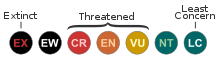
IUCN Red List of Threatened Plants Status : Least Concern (Population stable)
Growth: S = slow M = medium F = fast. Soil: L = light (sandy) M = medium H = heavy (clay). pH: A = acid N = neutral B = basic (alkaline). Shade: F = full shade S = semi-shade N = no shade. Moisture: D = dry M = Moist We = wet Wa = water.
Now available:
Food Forest Plants for Mediterranean Conditions
350+ Perennial Plants For Mediterranean and Drier Food Forests and Permaculture Gardens.
[Paperback and eBook]
This is the third in Plants For A Future's series of plant guides for food forests tailored to
specific climate zones. Following volumes on temperate and tropical ecosystems, this book focuses
on species suited to Mediterranean conditions—regions with hot, dry summers and cool, wet winters,
often facing the added challenge of climate change.
Read More
Expert comment
Author
(Lem.) Britton & Rose
Botanical References
Links / References
For a list of references used on this page please go here
Readers comment
| Add a comment |
|
If you have important information about this plant that may help other users please add a comment or link below. Only comments or links that are felt to be directly relevant to a plant will be included. If you think a comment/link or information contained on this page is inaccurate or misleading we would welcome your feedback at [email protected]. If you have questions about a plant please use the Forum on this website as we do not have the resources to answer questions ourselves.
* Please note: the comments by website users are not necessarily those held by PFAF and may give misleading or inaccurate information.
|
Subject : Ferocactus acanthodes subsp. acanthodes
|
|
|
|