Translate this page:
Summary
Bulb wavywing is an early-season, snow-edge spring-parsley that concentrates most of its food value underground. It is one of the more “root-forward” Cymopterus species: the plant can look modest above ground, yet hide a surprisingly substantial, starchy rootstock that makes it one of the more dependable wavywings where it occurs. Update: Cymopterus bulbosus A.Nelson First published in Bull. Torrey Bot. Club 26: 241 (1899) is a synonym of Vesper bulbosus
Physical Characteristics

 Cymopterus bulbosus is a PERENNIAL growing to 0.2 m (0ft 8in) by 0.2 m (0ft 8in).
See above for USDA hardiness. It is hardy to UK zone 5. The species is hermaphrodite (has both male and female organs) and is pollinated by Insects. The plant is self-fertile.
Suitable for: light (sandy) and medium (loamy) soils and prefers well-drained soil. Suitable pH: mildly acid, neutral and basic (mildly alkaline) soils. It cannot grow in the shade. It prefers dry or moist soil.
UK Hardiness Map
US Hardiness Map
Synonyms
Phellopterus bulbosus
Plant Habitats
Cultivated Beds;
Edible Uses
Edible Parts: Leaves Root
Edible Uses: Condiment
This is primarily a root plant, with leaves as a secondary edible. Used thoughtfully, it can provide a genuinely useful early-spring carbohydrate and a mild green [2-3]. Edible Uses & Rating. The roots are the main edible part and are rated good to excellent for a wild root in its habitat context; the leaves are usable but generally rated fair and are better treated as a cooked green than as a salad staple [2-3]. Taste, Processing & Kitchen Notes. Roots tend to read as potato-starchy with a parsnip-like accent, and they can carry an alkaline or “mineral” edge that improves markedly when the skins are peeled and the root is cooked in water. Boiling produces a good, hearty result and can yield a pleasant broth; baking works unusually well for a wild Apiaceae root, and can produce a meal-like, floury interior that invites mash, thick soups, or drying and grinding for a rustic flour. Leaves can be mildly bitter when raw in small amounts, but usually improve with cooking, which rounds off the sharper, more alkaline tones [2-3]. Seasonality (Phenology). An early spring plant, often appearing as the snow retreats. Roots are best when the plant is actively growing and hydrated; as flowering progresses and conditions dry, quality can slide toward fibrousness in some soils. Safety & Cautions (Food Use). Cymopterus species can contain furanocoumarins (phototoxins) that can cause photosensitivity or dermatitis in susceptible individuals, and they are reported to be heat-resistant but water-soluble, making soaking or boiling (and discarding the water if you have any concern) the most conservative approach. Avoid handling large quantities with bare skin in intense sun if you are sensitive, and avoid tasting raw foliage widely across populations [2-3]. Harvest & Processing Workflow. Harvest roots with a digging tool that lifts soil broadly, because root bodies can snap if pulled. Trim tops, wash thoroughly, and peel if an alkaline/bitter edge is present. For maximum caution, slice and blanch/boil, optionally discarding the first water, then finish by boiling, steaming, or sautéing. Leaves should be washed carefully (they can trap sand), then blanched and used as a potherb. Cultivar/Selection Notes. There are no true cultivars in common circulation; the practical “selection” is ecological—choose vigorous colonies in cleaner soils with healthier, thicker roots and milder foliage. Look-Alikes & Confusion Risks. Apiaceae is a high-stakes family for misidentification. The genus is best confirmed by fruit (the characteristic winged schizocarps). Do not rely on “parsley-like” appearance alone; avoid any uncertain plant, especially anything with disagreeable odor, unusual sap, or atypical fruiting structures. Traditional/Indigenous Use Summary. Your notes indicate Native American use of roots and leaves across the genus; bulb wavywing, in particular, fits the classic “early-season root” role in landscapes where spring moisture is brief [2-3]. The root can be eaten raw, cooked or dried for later use[257]. The dried leaves are used as a flavouring[61, 105, 177]. A celery flavouring[257]. Leaves - cooked[105, 161].
References More on Edible Uses
Medicinal Uses
Plants For A Future can not take any responsibility for any adverse effects from the use of plants. Always seek advice from a professional before using a plant medicinally.
Cymopterus bulbosus (commonly known as bulbous springparsley or biscuitroot) has documented traditional medical uses, particularly among Native American tribes. Stomach Medicine: The Keres people used the plant as a remedy for stomach ailments. "Life Medicine": The Navajo used Cymopterus bulbosus as a "life medicine". Nutritive/Food Use: While not strictly medicinal, the roots can be eaten raw, cooked, or dried. They are highly nutritious, and the plant is often one of the first to emerge in spring, providing a valuable food source for early foragers. The plant has been eaten as a stomach medicine[257].
References More on Medicinal Uses
The Bookshop: Edible Plant Books
Our Latest books on Perennial Plants For Food Forests and Permaculture Gardens in paperback or digital formats.
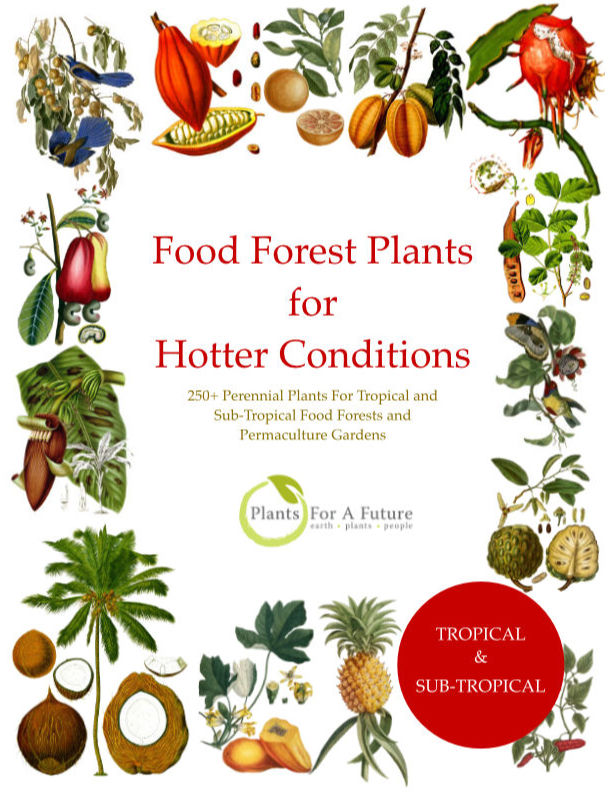
Edible Tropical Plants
Food Forest Plants for Hotter Conditions: 250+ Plants For Tropical Food Forests & Permaculture Gardens.
More
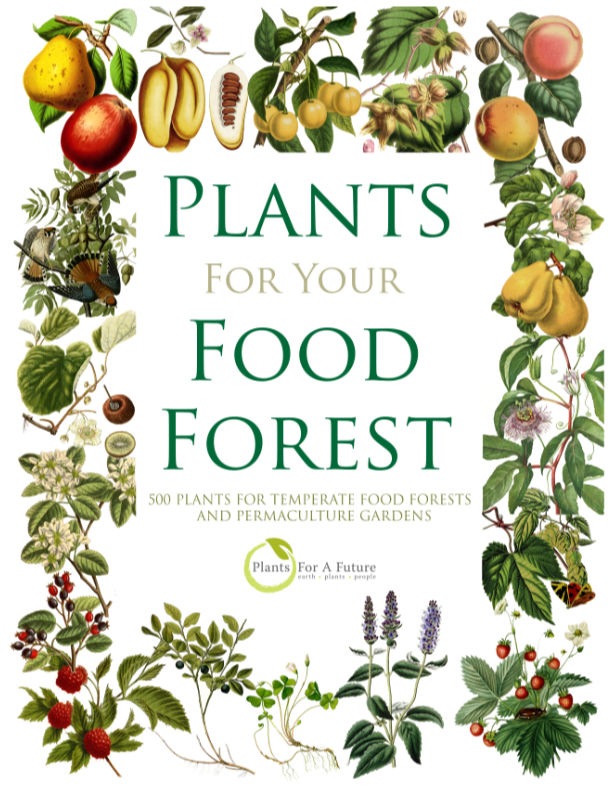
Edible Temperate Plants
Plants for Your Food Forest: 500 Plants for Temperate Food Forests & Permaculture Gardens.
More
More Books
PFAF have eight books available in paperback and digital formats. Browse the shop for more information.
Shop Now
Other Uses
Rare in horticulture, but in principle suited to rock-garden style cultivation. A spring resource in dry landscapes, offering early nectar/pollen to small insects and contributing to the brief spring pulse of productivity before summer drought.
Special Uses
References More on Other Uses
Cultivation details
Bulb wavywing is a legitimately useful early-season root that can be cooked into satisfying, starchy food when gathered carefully and prepared conservatively, with leaves as an occasional cooked green rather than a primary vegetable. Growing Conditions. It favors open, well-drained sites that retain sufficient spring moisture to promote early growth, often on sandy to gravelly soils and in areas that dry quickly by early summer. Habitat & Range. As you described, it is centered on the Four Corners region and extends north into the Rockies/Intermountain West, occurring where early spring conditions and open soils coincide. Size & Landscape Performance. Visually modest but ecologically tough, it performs as a small, early-blooming spring herb that finishes quickly as soils dry. Cultivation (Horticulture). Rare in horticulture, but in principle suited to rock-garden style cultivation: sharp drainage, lean soil, full sun, and a spring-wet/summer-dry rhythm. Pests & Problems. The most common “problem” is grit and sand in foliage, and variability in leaf palatability across sites; drought stress can also push roots toward tougher texture. Identification & Habit. A small perennial from a thickened underground rootstock, with mostly basal, dissected leaves and early umbels; fruiting wings are the key confirmation feature for wavywings. Pollinators. Like many small-flowered Apiaceae, it is typically serviced by generalist small bees, flies, and wasps that forage on open umbels in early season. Bulb Wavywing (Cymopterus bulbosus). Family: Apiaceae (Parsley family). Genus: Cymopterus. Common names: Bulb wavywing, bulb spring-parsley. USDA Hardiness Zones: approximately Zones 4–8 (cold-hardy Intermountain spring ephemeral; exact zone data is rarely published for this wild species). Approximate size: about 5–20 cm tall in flower, typically 10–25 cm spread as a basal clump.
References Carbon Farming Information and Carbon Sequestration Information
Temperature Converter
Type a value in the Celsius field to convert the value to Fahrenheit:
Fahrenheit:
The PFAF Bookshop
Plants For A Future have a number of books available in paperback and digital form. Book titles include Edible Plants, Edible Perennials, Edible Trees,Edible Shrubs, Woodland Gardening, and Temperate Food Forest Plants. Our new book is Food Forest Plants For Hotter Conditions (Tropical and Sub-Tropical).
Shop Now
Plant Propagation
Best by seed in habitat-mimicking conditions, often benefiting from natural cold stratification and spring moisture; division is generally impractical because food value is in the rootstock.
Other Names
If available other names are mentioned here
Bulb wavywing, bulb spring-parsley. biscuitroot. Update: Cymopterus bulbosus A.Nelson First published in Bull. Torrey Bot. Club 26: 241 (1899) is a synonym of Vesper bulbosus
Native Range
NORTHERN AMERICA: United States (Colorado, Wyoming, New Mexico, Texas (west), Arizona, Utah)
Weed Potential
Right plant wrong place. We are currently updating this section.
Please note that a plant may be invasive in one area but may not in your area so it's worth checking.
Low; it is a habitat-specialist and not a competitive garden weed in most settings.
Conservation Status
IUCN Red List of Threatened Plants Status : Not listed.
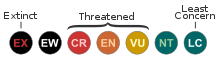
Growth: S = slow M = medium F = fast. Soil: L = light (sandy) M = medium H = heavy (clay). pH: A = acid N = neutral B = basic (alkaline). Shade: F = full shade S = semi-shade N = no shade. Moisture: D = dry M = Moist We = wet Wa = water.
Now available:
Food Forest Plants for Mediterranean Conditions
350+ Perennial Plants For Mediterranean and Drier Food Forests and Permaculture Gardens.
[Paperback and eBook]
This is the third in Plants For A Future's series of plant guides for food forests tailored to
specific climate zones. Following volumes on temperate and tropical ecosystems, this book focuses
on species suited to Mediterranean conditions—regions with hot, dry summers and cool, wet winters,
often facing the added challenge of climate change.
Read More
Expert comment
Author
A.Nels.
Botanical References
Links / References
For a list of references used on this page please go here
Readers comment
| Add a comment |
|
If you have important information about this plant that may help other users please add a comment or link below. Only comments or links that are felt to be directly relevant to a plant will be included. If you think a comment/link or information contained on this page is inaccurate or misleading we would welcome your feedback at [email protected]. If you have questions about a plant please use the Forum on this website as we do not have the resources to answer questions ourselves.
* Please note: the comments by website users are not necessarily those held by PFAF and may give misleading or inaccurate information.
|
Subject : Cymopterus bulbosus
|
|
|
|