 |
|
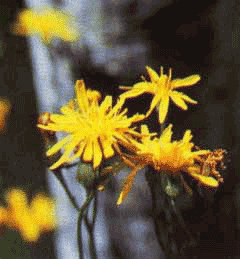
Mr. & Mrs. Robert G. Young. USDA NRCS. 1992. Western wetland flora: Field office guide to plant species. West Region, Sacramento. Courtesy of USDA NRCS Wetland Science Institute. |
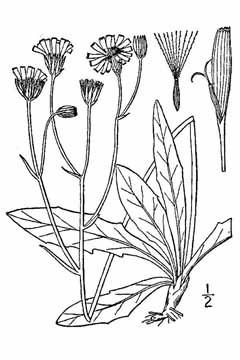 |
| USDA-NRCS PLANTS Database / Britton, N.L., and A. Brown. 1913. An illustrated flora of the northern United States, Canada and the British Possessions. Vol. 3: 326. |
Translate this page:
Summary
Fiddleleaf hawksbeard is a perennial Crepis with milky sap and yellow heads, often favoring meadow-to-wetland edges and alkaline-influenced sites. In your framework it is one of the Crepis species with edible leaves, but it is best approached as a “trial-and-process” green because bitterness and habitat-related flavors can vary.
Physical Characteristics

 Crepis runcinata is a PERENNIAL growing to 0.6 m (2ft) by 0.3 m (1ft in).
See above for USDA hardiness. It is hardy to UK zone 4. The species is hermaphrodite (has both male and female organs).
Suitable for: light (sandy), medium (loamy) and heavy (clay) soils. Suitable pH: mildly acid, neutral and basic (mildly alkaline) soils and can grow in very alkaline soils.
It can grow in semi-shade (light woodland) or no shade. It prefers moist soil.
UK Hardiness Map
US Hardiness Map
Synonyms
Crepis glauca. (Nutt.)Torr.&Gray.
Plant Habitats
Cultivated Beds;
Edible Uses
The leaves are edible fresh or cooked. Because this species often grows in moist or alkaline settings, clean-site selection is critical for flavor and safety (and for avoiding polluted runoff zones) [2-3]. Edible Uses & Rating. Leaves are used as greens, with best results cooked. As a foraged vegetable it rates “fair,” not because it is scarce, but because flavor can be dandelion-bitter and site conditions can influence palatability and cleanliness. Taste, Processing & Kitchen Notes. Expect chicory-tribe bitterness from latex, generally improved by blanching/boiling. If bitterness persists, use a change of water and then incorporate into strongly flavored dishes (soups, stews, broths) rather than raw salads. Leaves gathered very young can sometimes work raw in small proportions, but sampling first is the smart move [2-3]. Seasonality (Phenology). In interior Northwest treatments, C. runcinata flowers from about May to July, with edible leaf quality usually best earlier in the cycle before flowering diverts resources and leaves toughen. ? Safety & Cautions (Food Use). Avoid plants from contaminated wet areas (ditches receiving road runoff, livestock waste zones, mine-impacted sites). Latex bitterness can be hard on sensitive digestion; start with small servings. In alkaline/wet habitats, also avoid any plants with heavy mold, slime, or off odors. Harvest & Processing Workflow. Harvest young leaves from clean meadow margins or seeps, rinse thoroughly, blanch/boil, and taste. If needed, discard the first water and re-simmer. Chop and use as part of a mixed-green dish rather than alone. Cultivar/Selection Notes. No cultivar stream; selection is habitat-based. Plants from cleaner, flowing-water margins and healthier meadow soils tend to taste better and be less “muddy” than those from stagnant, stressed microsites. Look-Alikes & Confusion Risks. Like other Crepis, it can be confused with a wide set of yellow composites. Confirm milky sap and strap-flowered heads first, then verify Crepis habit and leaf form. In wet habitats, do not confuse it with unrelated yellow-flowered wetland composites that may have different chemistry and edibility status. Traditional/Indigenous Use Summary. PFAF notes broader Indigenous importance for Claytonia and other genera, but for Crepis the documented Southwest food record is comparatively thin; treat fiddleleaf hawksbeard as a reasonable green where local practice supports it, rather than a historically universal staple [2-3]. Leaves[105, 161].
References More on Edible Uses
Medicinal Uses
Plants For A Future can not take any responsibility for any adverse effects from the use of plants. Always seek advice from a professional before using a plant medicinally.
None known
References More on Medicinal Uses
The Bookshop: Edible Plant Books
Our Latest books on Perennial Plants For Food Forests and Permaculture Gardens in paperback or digital formats.
Edible Tropical Plants
Food Forest Plants for Hotter Conditions: 250+ Plants For Tropical Food Forests & Permaculture Gardens.
More
Edible Temperate Plants
Plants for Your Food Forest: 500 Plants for Temperate Food Forests & Permaculture Gardens.
More
More Books
PFAF have eight books available in paperback and digital formats. Browse the shop for more information.
Shop Now
Other Uses
In landscape terms it fits naturalistic meadow plantings, especially where seasonal moisture exists; it is not typically showy as a garden ornamental compared to many native composites, but it contributes ecological function. In gardens, it performs best in meadow-like beds or along the edges of irrigated swales rather than dry borders. It contributes seasonal nectar/pollen resources and supports meadow insect life; its presence can also indicate meadow/seep function, especially where alkaline influence is present.
Special Uses
References More on Other Uses
Cultivation details
Fiddleleaf hawksbeard is a workable, sometimes abundant wild green in meadow and seep landscapes. It rewards early harvest and simple boiling techniques, and it is best used as a supporting green rather than a centerpiece vegetable. Growing Conditions. It tolerates a broad moisture gradient but is especially characteristic of moist-to-dry meadows, marshes, seeps, shores, and riverbanks, often where soils are alkaline. ? Habitat & Range. Regional herbarium summaries place it east of the Cascades in Washington and broadly from southeastern British Columbia to California and east to the Great Plains, with a strong presence in interior meadow systems. ? Size & Landscape Performance. In landscape terms it fits naturalistic meadow plantings, especially where seasonal moisture exists; it is not typically showy as a garden ornamental compared to many native composites, but it contributes ecological function. Cultivation (Horticulture). Establish from seed in fall or early spring in well-drained but moisture-retentive soil; avoid heavy fertilization. In gardens, it performs best in meadow-like beds or along the edges of irrigated swales rather than dry borders. Pests & Problems. In wetter settings, foliar fungi and chewing insects can reduce edible quality; harvest only clean tissue and avoid heavily blemished leaves. Identification & Habit. A perennial Crepis with milky sap and yellow ligulate heads, typically with basal leaves and flowering stems, occupying meadow and riparian-margin habitats across the interior West. ? Pollinators. The flowers are typical generalist composite resources, drawing a mix of small native bees, flies, and other insects that forage on “dandelion-type” heads through late spring and early summer. Fiddleleaf Hawksbeard (Crepis runcinata (James) Torr. & A. Gray ssp. glauca (Nutt.) Babc. & Stebbins; also treated as Crepis glauca). Family. Genus. Common Names. USDA Hardiness Zones and approximate height/spread ranges. Fiddleleaf hawksbeard is Asteraceae, genus Crepis, commonly called fiddleleaf hawksbeard (with your project treating the Southwest plant as ssp. glauca). It is best treated as hardy to roughly USDA Zones 3–8 (estimate based on its broad interior distribution from lowlands to mid-elevation montane settings). It commonly stands about 15–60 cm tall with a spread around 15–30 cm, varying strongly with moisture and site exposure.
References Carbon Farming Information and Carbon Sequestration Information
Temperature Converter
Type a value in the Celsius field to convert the value to Fahrenheit:
Fahrenheit:
The PFAF Bookshop
Plants For A Future have a number of books available in paperback and digital form. Book titles include Edible Plants, Edible Perennials, Edible Trees,Edible Shrubs, Woodland Gardening, and Temperate Food Forest Plants. Our new book is Food Forest Plants For Hotter Conditions (Tropical and Sub-Tropical).
Shop Now
Plant Propagation
Seed propagation is straightforward; allow seed heads to mature and disperse, or collect and sow onto lightly disturbed soil with good seed-to-soil contact.
Other Names
If available other names are mentioned here
Anderson's hawksbeard, Barber's hawksbeard, Hall's hawksbeard.
Native Range
NORTHERN AMERICA: Canada (Saskatchewan, Alberta, Manitoba, British Columbia), United States (Minnesota, Nebraska, North Dakota, South Dakota, Colorado, Idaho, Montana, Oregon, Washington, Wyoming, New Mexico, Nevada, Utah), Mexico (Baja)
Weed Potential
Right plant wrong place. We are currently updating this section.
Please note that a plant may be invasive in one area but may not in your area so it's worth checking.
Usually low; it may self-seed in open ground but generally does not behave as an aggressive invader in intact communities.
Conservation Status
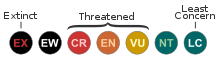
IUCN Red List of Threatened Plants Status : Not available
Growth: S = slow M = medium F = fast. Soil: L = light (sandy) M = medium H = heavy (clay). pH: A = acid N = neutral B = basic (alkaline). Shade: F = full shade S = semi-shade N = no shade. Moisture: D = dry M = Moist We = wet Wa = water.
Now available:
Food Forest Plants for Mediterranean Conditions
350+ Perennial Plants For Mediterranean and Drier Food Forests and Permaculture Gardens.
[Paperback and eBook]
This is the third in Plants For A Future's series of plant guides for food forests tailored to
specific climate zones. Following volumes on temperate and tropical ecosystems, this book focuses
on species suited to Mediterranean conditions—regions with hot, dry summers and cool, wet winters,
often facing the added challenge of climate change.
Read More
Expert comment
Author
(James.)Torr.&A.Gray.
Botanical References
Links / References
For a list of references used on this page please go here
Readers comment
© 2010, Plants For A Future. Plants For A Future is a charitable company limited by guarantee, registered in England and Wales. Charity No. 1057719, Company No. 3204567.