Translate this page:
Summary
Taxonomic Note: This genus was formerly classified in the family Chenopodiaceae. Modern classifications include it within the Amaranthaceae.
Desert goosefoot is a weak-scented, widely distributed Chenopodium species native to central and western North America, particularly abundant in the arid and semi-arid regions of the Southwest. It is a characteristic plant of sandy, saline, or disturbed soils, often forming part of sparse sagebrush or juniper understory vegetation. The leaves were occasionally eaten by the Pima and other Indigenous groups, but, as with most members of the genus, the primary nutritional value lies in the seeds. Producing reliable, abundant grain in poor soils, desert goosefoot represents one of the many regionally important wild pseudo-cereals historically utilised across the Southwest.
Physical Characteristics

 Chenopodium pratericola is a ANNUAL growing to 0.7 m (2ft 4in) by 0.3 m (1ft).
See above for USDA hardiness. It is hardy to UK zone 5. It is in flower from July to October, and the seeds ripen from August to October. The species is hermaphrodite (has both male and female organs) and is pollinated by Wind.
Suitable for: light (sandy) and medium (loamy) soils. Suitable pH: neutral and basic (mildly alkaline) soils and can grow in very alkaline soils.
It cannot grow in the shade. It prefers dry or moist soil.
UK Hardiness Map
US Hardiness Map
Synonyms
C. leptophyllom. auct. non Nutt. C. desiccatum leptophylloides.
Plant Habitats
Cultivated Beds;
Edible Uses
Edible Parts: Shoots
Edible Uses:
Young leaves edible when boiled but only modest in quality. Seeds abundant, nutritious, mild-tasting, and excellent when toasted or boiled. A reliable wild grain in desert and semi-desert regions. Leaves and young shoots - cooked and eaten like spinach[257]. Seed - cooked. It can be ground into a powder and mixed with wheat or other cereals in making bread etc. The seed is small and fiddly, it should be soaked in water overnight and thoroughly rinsed before it is used in order to remove any saponins. Edible Uses & Rating: Both leaves and seeds are edible, though the leaves are of modest culinary value and the seeds are clearly superior. Traditional accounts record the leaves being used as cooked greens among the Pima, but they tend to be too mineral-rich or acrid for routine consumption without boiling. The seeds, however, rank well within the genus: abundant, nutritious, and easy to harvest with minimal processing. They compare favourably to the better-known pitseed, slimleaf, or Fremont’s goosefoot species. Desert goosefoot receives a moderate rating for leaves and a high rating for seeds, making it a useful resource in desert foraging [2-3]. Taste, Processing & Kitchen Notes: Fresh leaves usually have a slightly saline or earthy aroma and may contain enough oxalates to cause mild sharpness on the tongue. They improve somewhat with boiling but rarely develop a pleasant flavour. Because the leaves are thin and often toughen as the plant matures, they are best harvested young. By contrast, the seeds offer a mild, grain-like taste reminiscent of quinoa or amaranth, with a faint nuttiness enhanced by toasting. Raw seeds are firm and require cooking. Toasting pops some seeds and provides a roasted character, while boiling transforms them into a soft porridge that can be sweetened or salted. Mixing toasted and boiled preparations yields excellent flavour. The pericarp is thin and typically comes free with slight rubbing or after cooking [2-3]. Seasonality (Phenology): Desert goosefoot germinates in spring or early summer as moisture allows. Flowering occurs from mid-summer onward, with seed production peaking in late summer to autumn. Seed heads remain intact on dry stalks well into the season, often persisting until early winter. Leaves decline in quality as temperatures rise, but seeds remain harvestable for many weeks, allowing flexible collection times [2-3]. Safety & Cautions (Food Use): As with all Chenopodium species, leaves contain saponins and oxalates; boiling is required to mitigate harshness. Individuals sensitive to oxalate-rich vegetables should moderate consumption. Seeds are safe when cooked thoroughly but should be rinsed if bitterness persists. Foraging should avoid roadside or contaminated soils where salts or pollutants may accumulate [2-3]. Harvest & Processing Workflow: Leaves are best harvested young and boiled immediately to reduce bitterness. Seeds should be collected as plants dry and turn tan or brown. Using a bucket or cloth, seed heads can be stripped easily by hand. Winnowing removes chaff, and seeds can then be toasted, boiled, or ground into flour. Because seeds persist on dry stalks, multiple visits can maximise yield. Cultivar / Selection Notes: No named cultivars exist. Subtle variation occurs among wild populations in leaf shape, plant height, and seed colour, but all share similar culinary value. For permaculture systems, selecting individuals with larger seed clusters may gradually improve yields. Look-Alikes & Confusion Risks: Desert goosefoot resembles Nevada goosefoot, slimleaf goosefoot, and certain forms of C. album. Location provides strong clues: desert goosefoot prefers sandy, open, sometimes salty soils within sagebrush or juniper landscapes. Leaves are typically narrower and less mealy than pitseed goosefoot and lack the resinous scent of Dysphania species. Because species are variable, careful comparison of habitat, scent, leaf texture, and seed morphology is essential. Traditional / Indigenous Use Summary: The Pima and other Indigenous groups gathered the leaves as a vegetable and likely used the seeds as part of traditional grain-processing practices common across the Southwest and Great Basin. While documentation is less extensive than for pitseed or slimleaf goosefoot, the species’ ecological abundance suggests it was a consistent, if secondary, contributor to traditional plant-based diets.
References More on Edible Uses
Medicinal Uses
Plants For A Future can not take any responsibility for any adverse effects from the use of plants. Always seek advice from a professional before using a plant medicinally.
None known
References More on Medicinal Uses
The Bookshop: Edible Plant Books
Our Latest books on Perennial Plants For Food Forests and Permaculture Gardens in paperback or digital formats.
Edible Tropical Plants
Food Forest Plants for Hotter Conditions: 250+ Plants For Tropical Food Forests & Permaculture Gardens.
More
Edible Temperate Plants
Plants for Your Food Forest: 500 Plants for Temperate Food Forests & Permaculture Gardens.
More
More Books
PFAF have eight books available in paperback and digital formats. Browse the shop for more information.
Shop Now
Other Uses
Gold/green dyes can be obtained from the whole plant[168]. It requires little water, resists most soil-borne stresses, and produces grain even in heavily mineralised soils. Overly rich soils may decrease seed density. Gardeners can grow it in demonstration plots, arid food forests, or low-input edible landscapes. It reseeds readily if seeds are not harvested completely.Ecology & Wildlife
Seeds attract granivorous birds and small mammals, particularly toward late summer and autumn. The plants also support insect communities through pollen production and by creating fine-textured canopy layers in otherwise sparse habitats. Their ability to thrive on inhospitable soils helps stabilise loose sands and contributes modestly to soil organic matter.
Special Uses
References More on Other Uses
Cultivation details
Desert goosefoot is a resilient wild edible of sandy and alkaline soils, producing dependable grain where few other edible plants flourish. Leaves are of limited culinary value, but seeds are excellent—nutritious, easy to harvest, and suitable for multiple cooking methods. Its ecological hardiness makes it an important historical and modern foraging species across the dry interior West. Growing Conditions: This species thrives on sandy, gravelly, saline, or alkaline soils, including disturbed areas, agricultural edges, desert washes, sagebrush slopes, and juniper foothills. It tolerates drought, heat, and high soil mineral content. It grows best in full sun but will persist in partial shade in open woodlands. Nutrient-poor soils do not hinder seed development. The species is resilient in environments where few leafy vegetables grow well. Habitat & Range: Desert goosefoot is native to the central and western United States, especially the Southwest, Great Basin, and adjacent plains. It is most commonly encountered in sagebrush communities, juniper savannahs, sandy basins, and alkali flats. Its distribution overlaps with Fremont’s, slimleaf, and mealy goosefoot, although desert goosefoot typically prefers slightly sandier and more open terrain. Size & Landscape Performance: Plants usually range between 20 and 70 cm tall, forming upright, airy structures that blend seamlessly into desert and basin landscapes. When grown intentionally, desert goosefoot performs reliably in harsh soils, offering dependable seed yield with minimal care. It is not ornamental but has potential as a low-input grain crop in arid permaculture systems. Cultivation (Horticulture): Although not traditionally cultivated, desert goosefoot adapts easily to horticulture. It requires little water, resists most soil-borne stresses, and produces grain even in heavily mineralised soils. Overly rich soils may decrease seed density. Gardeners can grow it in demonstration plots, arid food forests, or low-input edible landscapes. It reseeds readily if seeds are not harvested completely. Pests & Problems: Few pests or diseases affect this species in arid conditions. Excess moisture may cause fungal spotting on leaves, and high humidity can result in mildew, but these are rarely significant issues. Seed predation by wildlife can reduce harvest but is usually manageable with timely collection. Cultivar / Selection Notes: No named cultivars exist. Subtle variation occurs among wild populations in leaf shape, plant height, and seed colour, but all share similar culinary value. For permaculture systems, selecting individuals with larger seed clusters may gradually improve yields. Pollination: Flowers are wind-pollinated, enabling reliable seed production even in sparsely vegetated desert environments. The species forms large quantities of pollen, aiding reproductive success under harsh conditions. Identification & Habit: Desert goosefoot grows as an upright, moderately branched plant ranging from 20 to 70 cm tall, though heights vary depending on moisture and soil quality. Stems may be green, yellowish, or tinged red, and can appear lightly striped. Leaves are simple and alternate, usually lanceolate, rhombic, or triangular, with margins entire or shallowly toothed. Surfaces are generally dull, weakly mealy, or slightly scurfy, lacking the strong scent or sticky resinous quality characteristic of the Dysphania subgroup. Flowers are tiny, green, and arranged in dense or diffuse clusters along the stem tips and leaf axils. As seeds mature, plants shift from green to tan or pale brown and become brittle, retaining seeds long enough to allow extended harvesting. The overall habit is airy and upright, usually appearing in open patches across sandy or alkaline terrain.
References Carbon Farming Information and Carbon Sequestration Information
Temperature Converter
Type a value in the Celsius field to convert the value to Fahrenheit:
Fahrenheit:
The PFAF Bookshop
Plants For A Future have a number of books available in paperback and digital form. Book titles include Edible Plants, Edible Perennials, Edible Trees,Edible Shrubs, Woodland Gardening, and Temperate Food Forest Plants. Our new book is Food Forest Plants For Hotter Conditions (Tropical and Sub-Tropical).
Shop Now
Plant Propagation
Propagation is by seed, which germinates well without stratification. Seeds sown directly onto sandy or lightly cultivated soils establish quickly. Plants do not require fertiliser and need only minimal irrigation during establishment if rainfall is insufficient.
Other Names
If available other names are mentioned here
Desert Goosefoot (Chenopodium pratericola).
Native Range
NORTHERN AMERICA: Canada (Northwest Territories, Yukon, Ontario (south), Alberta, British Columbia (south), Manitoba, Saskatchewan), United States (Alaska (south), Connecticut, Indiana, Maine, Massachusetts, New Hampshire, New Jersey, New York, Pennsylvania, Rhode Island, Vermont, Illinois, Iowa, Kansas, Minnesota, Missouri, Nebraska, North Dakota, Oklahoma, South Dakota, Wisconsin, Colorado, Idaho, Montana, Oregon, Washington, Wyoming, Kentucky, Louisiana, Maryland, North Carolina, South Carolina, New Mexico, Texas, Arizona, California, Nevada, Utah)
Weed Potential
Right plant wrong place. We are currently updating this section.
Please note that a plant may be invasive in one area but may not in your area so it's worth checking.
Desert goosefoot has moderate weed potential in disturbed sandy soils but usually remains confined to appropriate habitats. It does not aggressively invade agricultural fields or gardens unless the soil is dry, open, and nutrient-poor. Its presence tends to indicate disturbed or recovering landscapes rather than an ecological threat.
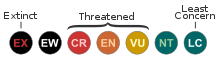
Conservation Status
IUCN Red List of Threatened Plants Status : Not available.
Growth: S = slow M = medium F = fast. Soil: L = light (sandy) M = medium H = heavy (clay). pH: A = acid N = neutral B = basic (alkaline). Shade: F = full shade S = semi-shade N = no shade. Moisture: D = dry M = Moist We = wet Wa = water.
Now available:
Food Forest Plants for Mediterranean Conditions
350+ Perennial Plants For Mediterranean and Drier Food Forests and Permaculture Gardens.
[Paperback and eBook]
This is the third in Plants For A Future's series of plant guides for food forests tailored to
specific climate zones. Following volumes on temperate and tropical ecosystems, this book focuses
on species suited to Mediterranean conditions—regions with hot, dry summers and cool, wet winters,
often facing the added challenge of climate change.
Read More
Expert comment
Author
Rydb.
Botanical References
17274
Links / References
For a list of references used on this page please go here
Readers comment
| Add a comment |
|
If you have important information about this plant that may help other users please add a comment or link below. Only comments or links that are felt to be directly relevant to a plant will be included. If you think a comment/link or information contained on this page is inaccurate or misleading we would welcome your feedback at [email protected]. If you have questions about a plant please use the Forum on this website as we do not have the resources to answer questions ourselves.
* Please note: the comments by website users are not necessarily those held by PFAF and may give misleading or inaccurate information.
|
Subject : Chenopodium pratericola
|
|
|
|