Translate this page:
Summary
Taxonomic Note: This genus was formerly classified in the family Chenopodiaceae. Modern classifications include it within the Amaranthaceae.
Nettleleaf goosefoot is a widespread, weak-scented, leafy Chenopodium species native to Europe, Asia, and Africa but now naturalized worldwide, including throughout the American Southwest. Adapted to disturbed soils, warm climates, and nutrient-rich habitats, it grows vigorously and often produces abundant foliage and seed. Historically, it was used by several Indigenous groups in Arizona—including the Pima, Cahuilla, Mojave, and Tohono O’odham—who consumed the young shoots, leaves, and seeds. While its leaves can be acrid when raw, cooking produces a mild, spinach-like green. The seeds are small but numerous and behave similarly to other high-quality goosefoot grains, offering a valuable wild starch when processed correctly. Nettleleaf goosefoot is easily recognized by its triangular to cordate leaves with visibly netted veins and a glossy or slightly mealy texture. It remains one of the more useful introduced goosefoots of the Southwest. Chenopodium murale L. First published in Sp. Pl.: 219 (1753) is a synonym of Chenopodiastrum murale
Physical Characteristics

 Chenopodium murale is a ANNUAL growing to 0.6 m (2ft). It is in flower from July to October, and the seeds ripen from August to October. The species is hermaphrodite (has both male and female organs) and is pollinated by Wind.
Suitable for: light (sandy), medium (loamy) and heavy (clay) soils and can grow in nutritionally poor soil. Suitable pH: mildly acid, neutral and basic (mildly alkaline) soils. It cannot grow in the shade. It prefers moist soil and can tolerate drought.
UK Hardiness Map
US Hardiness Map
Synonyms
C. murale L. First published in Sp. Pl.: 219 (1753) is a synonym of Chenopodiastrum murale
Plant Habitats
Cultivated Beds;
Edible Uses
Edible Parts: Leaves Seed Shoots
Edible Uses:
A reliable cooked green and moderate-yield wild grain. Leaves must be boiled, seeds are excellent when toasted or boiled, and overall the plant offers dependable nutrition but requires processing to reach its full value. Leaves and young shoots - raw or cooked as a spinach[61, 74, 94, 105, 177, 183, 257, 272]. The raw leaves should only be eaten in small quantities, see the notes above on toxicity. Seed - cooked. It can be ground into a powder and mixed with wheat or other cereals and used in making bread etc[74, 161, 183, 257]. The seed is small and fiddly, it should be soaked in water overnight and thoroughly rinsed before it is used in order to remove any saponins. Edible Uses & Rating: Young shoots and leaves are edible when boiled, while seeds can be processed as grain. Leaves are nutritious but must be cooked to reduce bitterness, oxalates, and saponins. As a vegetable, nettleleaf goosefoot ranks as a fair-to-good cooked green but is unsuitable for raw salads. The seeds offer a more concentrated food source, though their small size makes bulk collection time-consuming compared to species like pitseed or slimleaf goosefoot. Overall, nettleleaf goosefoot earns a moderate edibility rating for its leaves and a good rating for its seeds, especially where populations are abundant [2-3]. Taste, Processing & Kitchen Notes: Raw leaves are sharply acrid and unpleasant due to high oxalate and saponin content. Boiling in fresh water transforms them into a mild, spinach-like green. Their texture becomes soft and slightly silky, working well in soups, stews, and cooked vegetable mixes. As with most goosefoots, repeated boiling may be desirable for sensitive individuals. Seeds possess the characteristic grain-like, quinoa-like flavour that distinguishes the genus. They cook to a soft, porridge-like consistency when boiled and develop a nutty aroma when toasted. Because the pericarp often adheres to the seeds, light rubbing before washing may improve final texture. Seeds grind easily into flour for pancakes, porridges, or thickening agents [2-3]. Seasonality (Phenology): Plants emerge in late spring as temperatures rise and moisture becomes available. Growth accelerates in warm midsummer conditions, with flowering typically beginning in mid to late summer. Seeds mature from late summer through autumn and may persist on dried stalks for weeks. Leaves can be harvested as soon as plants reach sufficient size, often from early summer through the first frosts. Safety & Cautions (Food Use): Like all Chenopodium species, nettleleaf goosefoot accumulates oxalates and saponins, especially in older leaves. It must be cooked before consumption. Individuals with kidney issues or oxalate sensitivity should avoid large quantities. Harvesting should be avoided in areas where herbicides or industrial contaminants may be present, particularly because the species thrives in disturbed soils that may harbour heavy metals [2-3]. Harvest & Processing Workflow: Harvest young leaves and tender shoots in early to mid-summer. Rinse well and boil briefly to remove bitterness and anti-nutrients. Drain and use as a cooked green. For seeds, wait until seed heads turn brown and brittle. Strip seeds into a container, rub lightly to release them from the calyx, then winnow or rinse to remove debris. Toasting before cooking improves their flavour and reduces any grassy undertones. Store dried seeds in airtight containers. Look-Alikes & Confusion Risks: It may be confused with Chenopodium album, but nettleleaf goosefoot usually has darker, glossier leaves, more pronounced teeth, and a distinctively triangular or heart-shaped profile. It can also resemble young amaranths, though amaranths have reddish stems and different floral structures. Its lack of the strong aromatic scent of Dysphania species helps distinguish it from unpleasant or toxic goosefoots. Traditional / Indigenous Use Summary: The Pima (Akimel O’odham) called the plant “kaf” and incorporated the seeds into their diet. Other peoples, including the Cahuilla, Mojave, and Tohono O’odham, consumed the shoots and leaves as vegetables. Seeds may have been ground into flour or mixed with other grains, consistent with broader Chenopodium traditions. Its widespread availability near settlements made it a dependable and seasonally accessible food [2-3].
References More on Edible Uses
Medicinal Uses
Plants For A Future can not take any responsibility for any adverse effects from the use of plants. Always seek advice from a professional before using a plant medicinally.
None known
References More on Medicinal Uses
The Bookshop: Edible Plant Books
Our Latest books on Perennial Plants For Food Forests and Permaculture Gardens in paperback or digital formats.
Edible Tropical Plants
Food Forest Plants for Hotter Conditions: 250+ Plants For Tropical Food Forests & Permaculture Gardens.
More
Edible Temperate Plants
Plants for Your Food Forest: 500 Plants for Temperate Food Forests & Permaculture Gardens.
More
More Books
PFAF have eight books available in paperback and digital formats. Browse the shop for more information.
Shop Now
Other Uses
Dye
Gold/green dyes can be obtained from the whole plant[168]. Ecology & Wildlife: Seeds provide autumn and winter food for small birds and rodents. The dense structure supplies cover for insects and small ground-dwelling fauna. In disturbed urban ecologies, it is part of early-successional plant communities that stabilize soil and support a variety of insects, though its value to pollinators is limited because flowers are wind-pollinated.
Special Uses
References More on Other Uses
Cultivation details
Nettleleaf goosefoot is a globally distributed, heat-loving green with deep historical ties to Indigenous diets of the Southwest. While raw leaves are unpalatable, cooked leaves provide a nutritious vegetable, and the seeds offer an accessible wild grain similar to quinoa. Its preference for human-disturbed habitats means it is often encountered where other edible wild species are scarce, making it a useful survival and subsistence plant. An easily grown plant, succeeding in most soils but disliking shade[1, 200]. It prefers a moderately fertile soil[200]. Growing Conditions: Nettleleaf goosefoot prefers warm climates, nitrogen-rich soils, and regularly disturbed areas. It grows in gardens, compost piles, vacant lots, ditch edges, road margins, and cultivated fields. It tolerates moderate salinity, alkaline soils, and drought once established. Partial shade is acceptable, but full sun encourages the densest foliage and greatest seed production. Its ecological amplitude allows it to naturalize across continents. Habitat & Range: Though native to the Old World, nettleleaf goosefoot is now cosmopolitan. In the Southwest it occurs across Arizona, New Mexico, Nevada, Utah, and parts of California and Texas, especially in disturbed sites and agricultural zones. It is less common at high elevations or in very dry, undisturbed desert flats, but flourishes around human habitation and irrigated landscapes. Its distribution mirrors that of other weedy Chenopodium species but tends toward warmer, lower-elevation areas. Size & Landscape Performance: Plants usually grow 30–60 cm tall but may remain smaller in dry conditions. Their branching habit creates a bushy appearance, and in garden settings they may outcompete weaker annuals. While vigorous, it is seldom aggressively invasive in natural ecosystems. In intentional plantings, it can serve as a hardy volunteer leafy green and self-seeding pseudo-grain. Cultivation (Horticulture): Nettleleaf goosefoot is rarely cultivated intentionally but behaves predictably and easily for those wishing to grow it. It requires only disturbed soil and summer heat. Regular irrigation will dramatically increase leaf and seed yield. Gardeners can grow it as a summer spinach substitute, especially in dry climates where true spinach struggles. Cutting back early stems may encourage bushier regrowth. Pests & Problems: The species suffers few significant pests. Leaf miners and aphids may appear but rarely impair plant growth. Excessive nitrogen can produce overly lush growth prone to mildew in humid climates, though this is uncommon in the Southwest. Drought reduces leaf size but does not generally harm seed yield. Cultivar / Selection Notes: No named cultivars exist. However, regional ecotypes may show variation in seed size, leaf flavour, or overall robustness. Gardeners selecting for more productive or milder individuals may gradually improve local strains. Pollination: Pollination is entirely by wind, with small, inconspicuous flowers shedding pollen freely. Seed set remains strong even in areas with low insect activity. Identification & Habit: This species forms low to moderately tall mounds of leafy, branching stems, often 20–60 cm in height. Plants may appear lush and dense in nutrient-rich or watered locations such as agricultural edges, gardens, or disturbed urban soils. Leaves are simple, alternate, stalked, and usually triangular, broadly ovate, or resembling non-stinging nettles—hence the name. Margins are typically toothed, and the upper surfaces range from glossy and smooth to faintly mealy. The overall coloration is dark green. Stems are herbaceous, often tinged purple near the nodes. Inflorescences consist of clusters of small, green, inconspicuous flowers forming loose spikes or globular clusters in the leaf axils and terminal branches. Seeds develop as small, dark achenes surrounded by persistent calyx lobes. The plant grows rapidly in summer heat and can form dense populations.
References Carbon Farming Information and Carbon Sequestration Information
Temperature Converter
Type a value in the Celsius field to convert the value to Fahrenheit:
Fahrenheit:
The PFAF Bookshop
Plants For A Future have a number of books available in paperback and digital form. Book titles include Edible Plants, Edible Perennials, Edible Trees,Edible Shrubs, Woodland Gardening, and Temperate Food Forest Plants. Our new book is Food Forest Plants For Hotter Conditions (Tropical and Sub-Tropical).
Shop Now
Plant Propagation
Propagation is entirely by seed. Seeds germinate readily without treatment when sown in warm soil. Volunteer seedlings are common in gardens and compost areas. Plants reseed themselves efficiently; gardeners wanting to contain the spread should remove seed heads before full maturity.
Other Names
If available other names are mentioned here
Nettle-leaved Goosefoot, Australian-spinach, salt-green, sowbane. Bahu, Cenizo de muro, Green fat hen, Hediondilla, Kachiyuyo, Kalo bethe, Khabeetha, Khad-bathal, Kharatua, Khobaitha, Kurund, Lampato, Quelete de Puerco, Quinoa negra, Quinguilla, Serua, Sowbane, Yuyu negro. Chenopodium murale L. First published in Sp. Pl.: 219 (1753) is a synonym of Chenopodiastrum murale
Native Range
TEMPERATE ASIA: United Arab Emirates, Bahrain, Kuwait, Oman, Qatar, Saudi Arabia, Yemen, Cyprus, Israel, Jordan, Lebanon, Syria, Turkey EUROPE: Denmark, United Kingdom (south), Sweden (south), Austria, Switzerland, Czech Republic, Germany, Hungary, Poland, Slovakia, Belarus, Estonia, Lithuania, Latvia, Ukraine (incl. Krym), Albania, Bulgaria, Bosnia and Herzegovina, Greece, Croatia, Italy (incl. Sardinia, Sicily), North Macedonia, Montenegro, Romania, Serbia, Slovenia, Spain (incl. Baleares), France (incl. Corsica), Portugal AFRICA: Spain (Canarias), Portugal (Madeira Islands), Algeria, Egypt, Libya, Morocco, Tunisia
Weed Potential
Right plant wrong place. We are currently updating this section.
Please note that a plant may be invasive in one area but may not in your area so it's worth checking.
This plant can be weedy or invasive. A common weed of fields and roadsides. A noted weed parts of western USA. This species has moderate weed potential in nutrient-rich or irrigated soils. While not as aggressive as lambsquarter, it can become persistent where disturbance, moisture, and fertility coincide. It is easily controlled by hand-pulling and seldom naturalizes into intact native plant communities.
Conservation Status
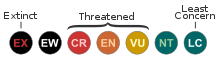
IUCN Red List of Threatened Plants Status : This taxon has not yet been assessed
Growth: S = slow M = medium F = fast. Soil: L = light (sandy) M = medium H = heavy (clay). pH: A = acid N = neutral B = basic (alkaline). Shade: F = full shade S = semi-shade N = no shade. Moisture: D = dry M = Moist We = wet Wa = water.
Now available:
Food Forest Plants for Mediterranean Conditions
350+ Perennial Plants For Mediterranean and Drier Food Forests and Permaculture Gardens.
[Paperback and eBook]
This is the third in Plants For A Future's series of plant guides for food forests tailored to
specific climate zones. Following volumes on temperate and tropical ecosystems, this book focuses
on species suited to Mediterranean conditions—regions with hot, dry summers and cool, wet winters,
often facing the added challenge of climate change.
Read More
Expert comment
Author
L.
Botanical References
17
Links / References
For a list of references used on this page please go here
Readers comment