Translate this page:
Summary
Taxonomic Note: This genus was formerly classified in the family Chenopodiaceae. Modern classifications include it within the Amaranthaceae.
Mealy goosefoot is one of the most important wild edible plants of the American Southwest, especially for its nutritious and easily processed seeds. Widely used by the Apache, Hopi, Navajo, and Paiute, the species served historically as both a leafy vegetable and a grain-like seed crop. Its leaves are mild enough to cook as greens, though often slightly acrid, while its seeds are a reliable staple suitable for porridge, flour, or storage. The plant is distinguished by its grayish, mealy leaf surfaces and its adaptability to dry soils, disturbance, and high sunlight. Among the many goosefoots of the region, C. incanum stands out as a dependable, abundant, and relatively safe species—free from the stronger toxins associated with aromatic Dysphania species.
Physical Characteristics

 Chenopodium incanum is a ANNUAL growing to 0.5 m (1ft 8in) by 0.2 m (0ft 8in).
See above for USDA hardiness. It is hardy to UK zone 5. It is in flower from July to October, and the seeds ripen from August to October. The species is hermaphrodite (has both male and female organs) and is pollinated by Wind.
Suitable for: light (sandy), medium (loamy) and heavy (clay) soils. Suitable pH: mildly acid, neutral and basic (mildly alkaline) soils. It cannot grow in the shade. It prefers moist soil.
UK Hardiness Map
US Hardiness Map
Synonyms
Homotypic Synonyms: C. fremontii var. incanum S.Watson. C. paniculatum var. incanum (S.Watson) Murr.
Plant Habitats
Cultivated Beds;
Edible Uses
Edible Parts: Leaves Seed Shoots
Edible Uses:
Leaves edible when boiled; seeds are highly nutritious and among the best of the wild grains. A mild, reliable, and culturally significant species well worth knowing. Leaves and young shoots - cooked and eaten like spinach[85, 216, 257]. The raw leaves should only be eaten in small quantities, see the notes above on toxicity. Seed - cooked. It can be ground into a powder and mixed with wheat or other cereals in making bread etc[85, 257]. The seed is small and fiddly, about 1mm in diameter[270], it should be soaked in water overnight and thoroughly rinsed before it is used in order to remove any saponins. Edible Uses & Rating: Both leaves and seeds are edible, with seeds representing the highest-value component. The leaves were widely consumed by Indigenous peoples—usually boiled to reduce acridity and oxalates—and served as a reliable vegetable in lean seasons. Seeds were ground into flour and used to make bread, porridge, thickened stews, or mixed with other grains. Among goosefoots, C. incanum ranks high as a food plant: its seeds are abundant, nutritious, relatively easy to harvest and winnow, and mild in flavour. As a wild edible, it is in the upper tier of southwestern foraging staples, especially for late-summer and autumn seed harvest [2-3]. Taste, Processing & Kitchen Notes: Fresh leaves have a mild but somewhat earthy, slightly salty flavour, softened considerably by boiling. The mealy coating dissolves during cooking. Texturally, the leaves fall between spinach and lambsquarter—soft but not delicate. Leaves from arid, nutrient-poor soils may develop stronger acrid overtones, which boiling can partially neutralize. As with most Chenopodium greens, leaves should not be eaten raw in large quantities due to oxalates and saponins [2-3]. Seeds are the plant’s true culinary strength. They cook into a soft, nutty-textured porridge or can be toasted for a deeper flavour. Toasting reduces any trace of bitterness and enhances aroma. Seeds behave similarly to small-seeded quinoa or pitseed goosefoot, though the seed coat may be slightly tougher. They grind easily into flour using hand stones, though the calyx fragments must first be removed by rubbing and winnowing. The flavour is excellent—neutral to slightly nutty—and suitable for both savoury and sweet dishes [2-3]. Seasonality (Phenology): Growth begins in late spring, with rapid vegetative development through summer. Flowering typically starts mid-summer, and seed production peaks from late summer into autumn. Leaves can be harvested throughout the summer months, though the youngest, least acrid leaves appear earlier in the season. The seeds mature in dense clusters that dry on the plant. They persist well into autumn, allowing extended harvest opportunities even after frost. Plants die back in winter. Safety & Cautions (Food Use): Leaves contain oxalates and saponins; therefore, they should not be consumed raw in large quantities. Boiling reduces these compounds. Seeds are generally safe but should be cooked to soften the seed coat and improve digestibility. Compared with strong-scented Dysphania species, C. incanum is far safer, lacking the dangerous essential oils that contain ascaridole. Nonetheless, moderation is advised, especially for individuals prone to kidney stone formation [2-3]. Harvest & Processing Workflow: For greens, harvest young tender leaves in early to mid-summer. Wash thoroughly to remove dust and mealy coatings. Boil briefly to reduce oxalates and bitterness. For seeds, wait until the inflorescences turn tan or brown and become brittle. Rub the clusters between the hands to release seeds, then winnow away the chaff. Seeds may be toasted, boiled, or ground into flour. Store fully dried seeds in airtight containers for winter use. Cultivar / Selection Notes: No named cultivars exist. Populations show natural variation in leaf size, mealy coating density, and seed size, but these differences have not been selectively developed. Look-Alikes & Confusion Risks: Mealy goosefoot can resemble other Chenopodium species, especially lambsquarter (C. album) or slimleaf goosefoot (C. leptophyllum). Identification is easiest by noting the powdery, mealy coating and the plant’s less aggressive scent compared with Dysphania members. Distinguishing goosefoots requires attention to leaf shape, scent, and surface texture; none of these species are dangerously toxic except the aromatic Dysphania group. Traditional / Indigenous Use Summary: Indigenous groups including the Apache, Hopi, Navajo, and Paiute used mealy goosefoot extensively. Leaves served as a cooked green, while seeds were ground into flour, stored for winter, or used to enrich porridges and breads. The plant was valued for its reliability, abundance, and ease of harvesting. Its role as a traditional grain mimics the importance of quinoa in South America and reflects the long-standing significance of goosefoot seeds as staple foods in North America.
References More on Edible Uses
Medicinal Uses
Plants For A Future can not take any responsibility for any adverse effects from the use of plants. Always seek advice from a professional before using a plant medicinally.
None known
References More on Medicinal Uses
The Bookshop: Edible Plant Books
Our Latest books on Perennial Plants For Food Forests and Permaculture Gardens in paperback or digital formats.

Edible Tropical Plants
Food Forest Plants for Hotter Conditions: 250+ Plants For Tropical Food Forests & Permaculture Gardens.
More

Edible Temperate Plants
Plants for Your Food Forest: 500 Plants for Temperate Food Forests & Permaculture Gardens.
More

More Books
PFAF have eight books available in paperback and digital formats. Browse the shop for more information.
Shop Now
Other Uses
Dye
Gold/green dyes can be obtained from the whole plant[168]. Ecology & Wildlife: The seeds provide a nutritious food source for birds, including quail, sparrows, and doves, as well as small mammals. Its dense inflorescences offer shelter for insects, and the plant contributes to early-successional vegetation following disturbance. By stabilizing bare soils and producing abundant biomass, it plays a functional ecological role in semi-arid landscapes.
Special Uses
References More on Other Uses
Cultivation details
Mealy goosefoot is one of the most dependable wild food resources in the Southwest—nutritious, abundant, versatile, and relatively safe. Its mild leaves and excellent seeds place it among the best of the region's traditional wild grains. As a disturbance-adapted plant that thrives in harsh soils, it continues to offer value both for foragers and as a potential agroecological resource for low-input edible landscapes. Growing Conditions: Mealy goosefoot thrives in well-drained, disturbed soils and is tolerant of drought, high heat, and poor nutrient conditions. It grows in sandy, rocky, loamy, or even compacted soils and benefits from sites where competing vegetation has been reduced. Full sun is preferred, though it can handle partial shade at higher elevations. It naturally favours open meadows, sagebrush flats, canyon bottoms, agricultural margins, and desert-steppe ecosystems. Habitat & Range: Native to the central and southwestern United States, mealy goosefoot occurs across Arizona, New Mexico, Utah, Nevada, Colorado, Wyoming, and parts of the Great Plains. It is widely distributed in foothills, dry canyons, open woodland edges, and disturbed sites such as old fields, roadsides, and livestock areas. It is especially common in semi-arid regions where summer rains allow steady leaf and seed production. Size & Landscape Performance: Typical height ranges from 20–70 cm, though in richer soils it may grow larger and more erect. Its overall appearance is modest and weedy rather than ornamental. As a volunteer species in dryland gardens or food forests, it can function as a productive self-seeding annual green and grain crop, though some people may view it as a weed. It rarely becomes aggressively invasive but can naturalize readily. Cultivation (Horticulture): While not commonly cultivated intentionally, mealy goosefoot can be grown similarly to quinoa, amaranth, or lambsquarter. It requires minimal irrigation, germinates readily from seed, and handles poor soils without complaint. For those wishing to encourage it, simply allowing volunteers to mature and self-seed is sufficient. In cultivation, plants may grow larger and produce heavier seed yields. Pests & Problems: Mealy goosefoot is generally resistant to pests thanks to its mealy leaf coatings and occasional mild bitterness. Drought does little harm, though extreme aridity may stunt seed development. Occasional insect herbivory may occur but rarely affects productivity. Plants growing in overly rich soils may lodge or produce weak stems. Cultivar / Selection Notes: No named cultivars exist. Populations show natural variation in leaf size, mealy coating density, and seed size, but these differences have not been selectively developed. Pollination: The plant is wind-pollinated, producing abundant microscopic pollen typical of the Amaranthaceae. Its inconspicuous flowers rely on wind currents rather than insects for fertilization, contributing to high seed set even in sparsely vegetated landscapes. Identification & Habit: Mealy goosefoot forms upright, moderately stout plants with multiple ascending branches that give it a loosely bushy appearance. Depending on soil moisture and disturbance, it may reach 20–70 cm, though most wild individuals remain closer to 30–50 cm. Leaves are alternate, variable in shape—from triangular to rhombic or lanceolate—and coated with a characteristic mealy or dusty film created by minute vesicular hairs. This coating can appear whitish, blue-gray, or powdery, especially on younger leaves and developing stems. The plant emits only a faint scent, lacking the strong resins typical of Dysphania species. Inflorescences develop as clusters of tiny greenish flowers arranged in loose spikes or panicles. As the season progresses, the inflorescences thicken into dense seed masses held close to the stems. Plants often take on a grayish, dusty appearance overall, allowing quick recognition in the field.
References Carbon Farming Information and Carbon Sequestration Information
Temperature Converter
Type a value in the Celsius field to convert the value to Fahrenheit:
Fahrenheit:
The PFAF Bookshop
Plants For A Future have a number of books available in paperback and digital form. Book titles include Edible Plants, Edible Perennials, Edible Trees,Edible Shrubs, Woodland Gardening, and Temperate Food Forest Plants. Our new book is Food Forest Plants For Hotter Conditions (Tropical and Sub-Tropical).
Shop Now
Plant Propagation
Seed - sow spring in situ. Most of the seed usually germinates within a few days of sowing.
Other Names
If available other names are mentioned here
Mealy goosefoot, Gray goosefoot. Homotypic Synonyms: C. fremontii var. incanum S.Watson. C. paniculatum var. incanum (S.Watson) Murr.
Native Range
NORTHERN AMERICA: Canada (Alberta (southeast), Saskatchewan (southwest)), United States (Kansas (west), Nebraska, Oklahoma (west), South Dakota, Colorado, Wyoming (southeast), New Mexico, Texas (west), Arizona, California (east), Nevada, Utah (south))
Weed Potential
Right plant wrong place. We are currently updating this section.
Please note that a plant may be invasive in one area but may not in your area so it's worth checking.
Mealy goosefoot has a moderate potential to appear spontaneously in cultivated soils, gardens, and agricultural fields. It behaves as a typical disturbance-adapted annual and can form localised patches if allowed to seed freely. However, it is neither aggressive nor difficult to control through hand-pulling or mulching.
Conservation Status
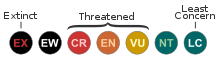
IUCN Red List of Threatened Plants Status : Not available.
Growth: S = slow M = medium F = fast. Soil: L = light (sandy) M = medium H = heavy (clay). pH: A = acid N = neutral B = basic (alkaline). Shade: F = full shade S = semi-shade N = no shade. Moisture: D = dry M = Moist We = wet Wa = water.
Now available:
Food Forest Plants for Mediterranean Conditions
350+ Perennial Plants For Mediterranean and Drier Food Forests and Permaculture Gardens.
[Paperback and eBook]
This is the third in Plants For A Future's series of plant guides for food forests tailored to
specific climate zones. Following volumes on temperate and tropical ecosystems, this book focuses
on species suited to Mediterranean conditions—regions with hot, dry summers and cool, wet winters,
often facing the added challenge of climate change.
Read More
Expert comment
Author
(S.Watson.)Heller.
Botanical References
43235270
Links / References
For a list of references used on this page please go here
Readers comment
| Add a comment |
|
If you have important information about this plant that may help other users please add a comment or link below. Only comments or links that are felt to be directly relevant to a plant will be included. If you think a comment/link or information contained on this page is inaccurate or misleading we would welcome your feedback at [email protected]. If you have questions about a plant please use the Forum on this website as we do not have the resources to answer questions ourselves.
* Please note: the comments by website users are not necessarily those held by PFAF and may give misleading or inaccurate information.
|
Subject : Chenopodium incanum
|
|
|
|