Translate this page:
Summary
Taxonomic Note: This genus was formerly classified in the family Chenopodiaceae. Modern classifications include it within the Amaranthaceae.
Strawberry blite is a distinctive, berry-forming goosefoot native to temperate North America, including many mountain regions of the American Southwest. Unlike most species in the genus, its seeds develop in bright red, fleshy, strawberry-like clusters, making the plant instantly recognisable even from a distance. Historically, the seeds served as an important food source for several Indigenous groups, while the leaves were eaten as mild, spinach-like greens. Although visually striking, the red “berries” are not true fruits but fleshy seed heads, typically bland in flavour but nutritious. The plant thrives in cool mountain habitats, moist meadows, riparian corridors, and disturbed soils. Strawberry blite remains one of the more charismatic edible goosefoots, valued more for its cultural and botanical interest than for culinary excellence. Chenopodium capitatum (L.) Asch.
First published in Fl. Brandenburg: 572 (1864) is a synonym of Blitum capitatum.
Physical Characteristics

 Chenopodium capitatum is a ANNUAL growing to 0.6 m (2ft) by 0.4 m (1ft 4in).
See above for USDA hardiness. It is hardy to UK zone 4. It is in flower from July to August, and the seeds ripen from August to September. The species is hermaphrodite (has both male and female organs) and is pollinated by Wind.
Suitable for: light (sandy), medium (loamy) and heavy (clay) soils. Suitable pH: mildly acid, neutral and basic (mildly alkaline) soils. It cannot grow in the shade. It prefers moist soil.
UK Hardiness Map
US Hardiness Map
Synonyms
Blitum capitatum.
Plant Habitats
Cultivated Beds;
Edible Uses
Edible Parts: Fruit Leaves Seed
Edible Uses: Colouring
A mild, nutritious wild green with visually striking but bland seed clusters. Leaves are the culinary highlight; seeds are useful but labour-intensive. Safe, distinctive, and worthwhile when encountered in mountain habitats. Leaves - raw or cooked[27, 106]. Used like spinach[2], they are a good source of vitamins C and A[257]. The young leaves are best[85, 172, 183]. Poor quality[74]. The raw leaves have been used in salad mixtures[257], but should only be eaten in small quantities, see the notes above on toxicity. Fruit - raw or cooked[2, 27, 172]. An insipid but sweet flavour[85], they can be added to salads[183]. The fruit is about 12mm in diameter[200]. A red food colouring can be obtained from the fruit[74, 99, 172, 183]. Seed - cooked. It can be ground into a meal and mixed with cereal flours in making bread etc[161, 172]. The seed is small and fiddly, it should be soaked in water overnight and thoroughly rinsed before it is used in order to remove any saponins. Edible Uses & Rating: Strawberry blite provides two edible components: young leaves and seed clusters. Leaves are mild and spinach-like, offering good nutritional value and suitability for cooked greens or salads. The red seed masses are edible but bland, providing more novelty than flavour. Seeds can be eaten along with the fleshy heads or separated and processed into flour or gruel, though this is labor-intensive. As a wild edible, strawberry blite is a moderate-quality resource: leaves are good, seeds are nutritious, but neither compares to top-tier goosefoots such as pitseed goosefoot. Still, its broad availability in mountain habitats and visual appeal make it a welcome find for foragers [2-3]. Taste, Processing & Kitchen Notes: Fresh leaves have a mild, agreeable flavour reminiscent of spinach with slight earthy undertones. They cook well and soften readily without becoming excessively mushy. Seed clusters look juicy but are generally bland, slightly earthy, and sometimes faintly sweet depending on growing conditions. Seeds within the clusters are small, hard, and easier to consume when cooked. Traditionally, the clusters were eaten whole or dried and later ground into flour. Cooking the clusters yields a thickened, mildly earthy mixture with improved palatability. Because the red juice can stain, harvesting and processing may leave temporary colour on hands or utensils. While the leaves excel as a potherb, the seed heads offer more nutritional than culinary benefits [2-3]. Seasonality (Phenology): Plants emerge in spring following snowmelt or seasonal moisture and grow steadily through early summer. Leaves are at their best while young, before flowering and seed formation. Flowering typically occurs in early to mid-summer, with the distinctive red seed heads developing from midsummer into autumn. Seeds persist well into fall, even as the surrounding tissues dry. Strawberry blite is a cool-season annual that performs best in moist mountain climates, often disappearing in low-elevation heat [2-3]. Safety & Cautions (Food Use): As with all goosefoots, leaves contain oxalates and saponins, making boiling advisable for sensitive individuals or frequent consumption. The red seed heads may discolor hands and clothing. There are no major toxicity concerns for this species, but as with any wild spinach substitute, moderation is recommended. Individuals prone to kidney stones should limit high-oxalate greens. Avoid harvesting from chemically treated areas or where nitrate accumulation is possible. Harvest & Processing Workflow: For leaf use, harvest early in the season while leaves are tender. Wash thoroughly to remove soil from the mealy leaf surfaces. Use raw in salads or lightly cook as a potherb. For seed clusters, harvest when bright red and fully developed but before drying. Clusters can be eaten whole, boiled into porridge, dried for storage, or processed to separate seeds—though this is labour-intensive. Seeds can be toasted, boiled, or ground into flour, echoing traditional techniques. Cultivar / Selection Notes: No cultivars are formally recognised. Plants grown in gardens may have slightly larger or more colourful seed clusters due to better moisture and soil fertility, but these differences reflect environmental variation rather than stable selection. Look-Alikes & Confusion Risks: The red clusters may superficially resemble raspberries or other edible berries, but strawberry blite is easily distinguished by its goosefoot leaves and non-berry floral structure. Toxic look-alikes are few, but inexperienced foragers could confuse the plant with certain red-fruited herbaceous species. The triangular leaves, mealy coating, and characteristic Chenopodium structure prevent confusion for careful observers. Traditional / Indigenous Use Summary: Several Indigenous groups, including the Goshiute and other Great Basin peoples, used the seeds as a staple food, grinding them into flour or cooking them as porridge. Leaves were eaten as greens, supplying vitamins and minerals when available. Although not a major staple compared to pitseed or slimleaf goosefoot, strawberry blite contributed reliably to seasonal diets, especially in mountain environments where diversity of annual edibles was limited.
References More on Edible Uses
Medicinal Uses
Plants For A Future can not take any responsibility for any adverse effects from the use of plants. Always seek advice from a professional before using a plant medicinally.
Antiphlogistic Pectoral
The plant has been used as a lotion for treating black eyes and head bruises[257]. The juice of the seeds and an infusion of the plant has been used to treat lung congestion[257].
References More on Medicinal Uses
The Bookshop: Edible Plant Books
Our Latest books on Perennial Plants For Food Forests and Permaculture Gardens in paperback or digital formats.
Edible Tropical Plants
Food Forest Plants for Hotter Conditions: 250+ Plants For Tropical Food Forests & Permaculture Gardens.
More
Edible Temperate Plants
Plants for Your Food Forest: 500 Plants for Temperate Food Forests & Permaculture Gardens.
More
More Books
PFAF have eight books available in paperback and digital formats. Browse the shop for more information.
Shop Now
Other Uses
Dye
Gold/green dyes can be obtained from the whole plant[168]. A red dye is obtained from the fruit, it is used in cosmetics and as a paint[46, 257]. They tolerate mild frost and perform well in raised beds or forest garden understories where shade and moisture are available. Ecology & Wildlife: The red seed masses attract insects, small birds, and small mammals, providing a late-season food source. The flowers may support pollinating flies and small bees, though wind plays a partial role in pollination. The plant contributes to soil stabilization along moist mountain slopes and offers seasonal forage for herbivores, though leaves can contain oxalates typical of the genus.
Special Uses
References More on Other Uses
Cultivation details
Strawberry blite is an attractive, nutritionally valuable but mild-flavoured edible that stands out among the goosefoots for its striking red seed heads. While not a top-tier wild food, it is reliable, easily recognized, and historically important. Leaves make excellent cooked greens, and seeds offer a traditional source of sustenance. Its ecological adaptability and pleasant appearance have secured it a small but enduring place in foraging, Indigenous foodways, and edible horticulture. An easily grown plant, succeeding in most soils but disliking shade[1, 200]. It prefers a moderately fertile soil[200]. A very ornamental plant[74], strawberry blite has at times been cultivated for its edible leaves[61]. Growing Conditions: Strawberry blite thrives in moist, cool, nutrient-rich soils with good drainage. It prefers partial sun to full sun at higher elevations and may tolerate light shade in warmer regions. It commonly grows along streambanks, wet meadows, forest openings, and disturbed alpine or subalpine soils. Regular moisture during early growth improves leaf quality. In drier habitats, plants become smaller and produce fewer seed clusters. Soils may be loamy, sandy, or silty, though fertility enhances both leaf and seed production. Habitat & Range: Native across much of temperate North America, strawberry blite is found in the Rocky Mountains, Pacific Northwest, northern Great Basin, and high elevations of the Southwest, including Utah, Nevada, northern Arizona, and New Mexico. It inhabits montane meadows, talus edges, riparian corridors, forest clearings, and disturbed moist soils. Its presence in the Southwest is strongly tied to elevation and moisture; it is far more common above 6,000–7,000 feet where summer temperatures remain cool. Size & Landscape Performance: Plants reach 20–60 cm in height, depending on moisture and fertility. In landscapes, strawberry blite is occasionally grown as an ornamental edible due to its striking red seed clusters and attractive foliage. It behaves as a self-seeding annual, naturalizing lightly in moist garden beds but rarely becoming invasive. Its open, airy growth habit and colourful seed heads add interest to edible gardens, though its overall biomass is modest. Cultivation (Horticulture): Gardeners can cultivate strawberry blite similarly to spinach or other cool-season greens. Sow seeds in early spring or late summer for autumn growth. Plants appreciate consistent moisture and soil rich in organic matter. They tolerate mild frost and perform well in raised beds or forest garden understories where shade and moisture are available. The species self-seeds readily, allowing patches to persist with minimal intervention. Pests & Problems: Strawberry blite is generally trouble-free, with few documented pests or diseases. Excessive heat, drought, or poor soils reduce vigor and seed production. In damp conditions, seedlings may experience root rot or damping-off, but mature plants are hardy. The main challenge for foragers is distinguishing it from toxic red-berried plants (see below). Cultivar / Selection Notes: No cultivars are formally recognised. Plants grown in gardens may have slightly larger or more colourful seed clusters due to better moisture and soil fertility, but these differences reflect environmental variation rather than stable selection. Identification & Habit: Strawberry blite is an upright to slightly spreading annual with soft, mealy or lightly hairy stems and triangular to rhombic leaves, often bearing shallow lobes or wavy margins. Leaves are tender, bright green, and typically thin-textured compared to other Chenopodium species. Flower clusters form dense, rounded heads that transform into deep red, juicy masses as seeds mature—a key diagnostic feature unique within the group. Each red cluster contains numerous tiny seeds embedded within the fleshy tissue. Plants may appear delicate early in the season, later becoming more robust as seed heads develop. The overall habit is loose and open, with the bright red seed clusters providing a distinctive field mark during mid- to late summer.
References Carbon Farming Information and Carbon Sequestration Information
Temperature Converter
Type a value in the Celsius field to convert the value to Fahrenheit:
Fahrenheit:
The PFAF Bookshop
Plants For A Future have a number of books available in paperback and digital form. Book titles include Edible Plants, Edible Perennials, Edible Trees,Edible Shrubs, Woodland Gardening, and Temperate Food Forest Plants. Our new book is Food Forest Plants For Hotter Conditions (Tropical and Sub-Tropical).
Shop Now
Plant Propagation
Seed - sow spring in situ. Most of the seed usually germinates within a few days of sowing.
Other Names
If available other names are mentioned here
Strawberry Blite (Chenopodium capitatum / Blitum capitatum). Chenopodium capitatum (L.) Asch. First published in Fl. Brandenburg: 572 (1864) is a synonym of Blitum capitatum. Strawberry spinach, strawberry goosefoot, Indian paint, blite goosefoot.
Native Range
NORTHERN AMERICA: Canada (Northwest Territories, Yukon, New Brunswick, Nova Scotia, Ontario, Québec, Alberta, British Columbia, Manitoba, Saskatchewan), United States (Alaska, Connecticut, Indiana, Maine, Massachusetts, Michigan, New Hampshire, New Jersey, New York, Ohio, Pennsylvania, Vermont, Illinois, Iowa, Minnesota, Missouri, South Dakota, Wisconsin, Colorado, Idaho, Montana, Oregon, Washington, Wyoming, Arizona, California, Nevada, Utah)
Weed Potential
Right plant wrong place. We are currently updating this section.
Please note that a plant may be invasive in one area but may not in your area so it's worth checking.
Strawberry blite has low weed potential. It self-seeds modestly in gardens but does not aggressively spread or dominate habitats. Its preference for cool, moist sites limits its ability to naturalize extensively in hot or dry environments. It is not considered problematic or invasive.
Conservation Status
IUCN Red List of Threatened Plants Status : Not assessed.
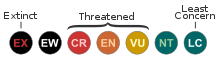
Growth: S = slow M = medium F = fast. Soil: L = light (sandy) M = medium H = heavy (clay). pH: A = acid N = neutral B = basic (alkaline). Shade: F = full shade S = semi-shade N = no shade. Moisture: D = dry M = Moist We = wet Wa = water.
Now available:
Food Forest Plants for Mediterranean Conditions
350+ Perennial Plants For Mediterranean and Drier Food Forests and Permaculture Gardens.
[Paperback and eBook]
This is the third in Plants For A Future's series of plant guides for food forests tailored to
specific climate zones. Following volumes on temperate and tropical ecosystems, this book focuses
on species suited to Mediterranean conditions—regions with hot, dry summers and cool, wet winters,
often facing the added challenge of climate change.
Read More
Expert comment
Author
(L.)Asch.
Botanical References
200
Links / References
For a list of references used on this page please go here
Readers comment