Translate this page:
Summary
Bloom Color: Green, Yellow. Main Bloom Time: Early spring, Late spring, Mid spring. Form: Rounded.
Physical Characteristics

 Taxus baccata is an evergreen Tree growing to 15 m (49ft) by 10 m (32ft) at a slow rate.
See above for USDA hardiness. It is hardy to UK zone 6 and is not frost tender. It is in leaf all year, in flower from March to April, and the seeds ripen from September to November. The species is dioecious (individual flowers are either male or female, but only one sex is to be found on any one plant so both male and female plants must be grown if seed is required). and is pollinated by Wind. The plant is not self-fertile.
It is noted for attracting wildlife.
Suitable for: light (sandy), medium (loamy) and heavy (clay) soils, prefers well-drained soil and can grow in heavy clay soil. Suitable pH: mildly acid, neutral and basic (mildly alkaline) soils and can grow in very acid and very alkaline soils.
It can grow in full shade (deep woodland) semi-shade (light woodland) or no shade. It prefers dry or moist soil and can tolerate drought. The plant can tolerates strong winds but not maritime exposure.
It can tolerate atmospheric pollution.
UK Hardiness Map
US Hardiness Map
Synonyms
Cephalotaxus adpressa Beissn. Cephalotaxus brevifolia Beissn.. Verataxus adpressa (Carrière) Carrièr
Plant Habitats
Woodland Garden Secondary; Sunny Edge; Dappled Shade; Shady Edge; not Deep Shade; Ground Cover; Hedge;
Edible Uses
Edible Parts: Fruit
Edible Uses: Tea
Fruit - raw[1, 2, 65, 81, 158]. Very sweet and gelatinous, most people find it delicious though some find it sickly[K]. A number of people who like the flavour do not like the texture which is often described as being 'snotty'[K]. All other parts of this plant, including the seed, are highly poisonous. When eating the fruit you should spit out the large seed found in the fruit's centre. Should you swallow the whole seed it will just pass straight through you without harm (UPDATE: this is probably not true: unfortunately, the digestive system of most mammals, including humans, is robust enough to break down the seeds. This will release the toxic taxanes. Birds are able to eat the whole “berry” because they cannot digest the seeds). If it is bitten into, however, you will notice a very bitter flavour and the seed should immediately be spat out or it could cause some problems. The fruit is a fleshy berry about 10mm in diameter and containing a single seed[200]. Some reports suggest using the bark as a tea substitute[158, 183], this would probably be very unwise.
References More on Edible Uses
Medicinal Uses
Plants For A Future can not take any responsibility for any adverse effects from the use of plants. Always seek advice from a professional before using a plant medicinally.
Anticonvulsant Antispasmodic Cancer Cardiotonic Diaphoretic Emmenagogue Epilepsy Expectorant
Homeopathy Narcotic Purgative
The yew tree is a highly toxic plant that has occasionally been used medicinally, mainly in the treatment of chest complaints. Modern research has shown that the plants contain the substance 'taxol' in their shoots. Taxol has shown exciting potential as an anti-cancer drug, particularly in the treatment of ovarian cancers[238]. Unfortunately, the concentrations of taxol in this species are too low to be of much value commercially, though it is being used for research purposes[238]. This remedy should be used with great caution and only under the supervision of a qualified practitioner[21]. See also the notes above on toxicity. All parts of the plant, except the fleshy fruit, are antispasmodic, cardiotonic, diaphoretic, emmenagogue, expectorant, narcotic and purgative[7, 21]. The leaves have been used internally in the treatment of asthma, bronchitis, hiccup, indigestion, rheumatism and epilepsy[240, 257]. Externally, the leaves have been used in a steam bath as a treatment for rheumatism[257]. A homeopathic remedy is made from the young shoots and the berries[4]. It is used in the treatment of many diseases including cystitis, eruptions, headaches, heart and kidney problems, rheumatism etc[4]. Ingestion of 50-100g of needles can cause death.
References More on Medicinal Uses
The Bookshop: Edible Plant Books
Our Latest books on Perennial Plants For Food Forests and Permaculture Gardens in paperback or digital formats.
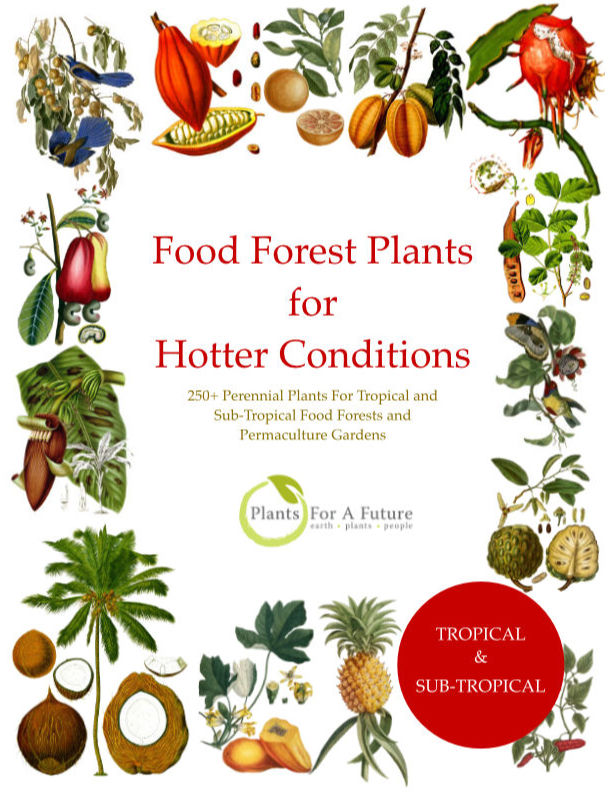
Edible Tropical Plants
Food Forest Plants for Hotter Conditions: 250+ Plants For Tropical Food Forests & Permaculture Gardens.
More
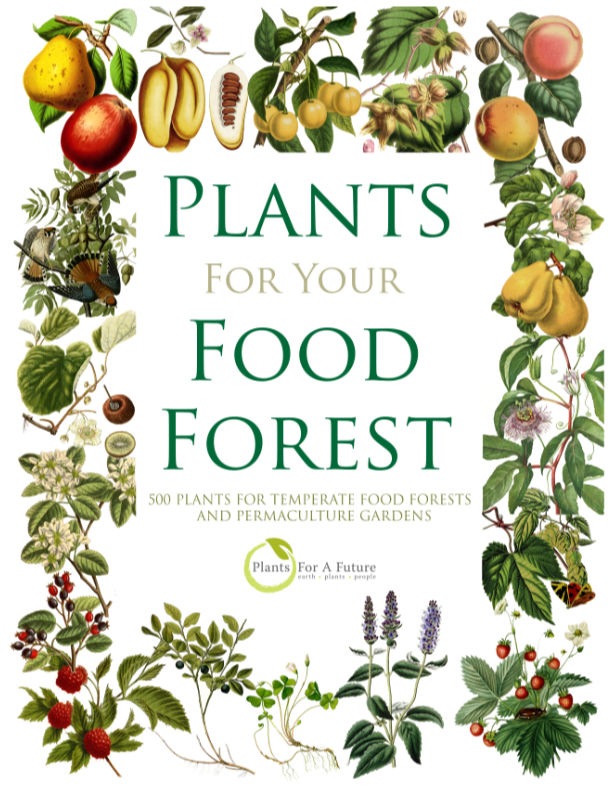
Edible Temperate Plants
Plants for Your Food Forest: 500 Plants for Temperate Food Forests & Permaculture Gardens.
More
More Books
PFAF have eight books available in paperback and digital formats. Browse the shop for more information.
Shop Now
Other Uses
Fuel Hedge Hedge Incense Insecticide Wood
Very tolerant of trimming, this plant makes an excellent hedge[1, 11, 29]. The plants are often used in topiary and even when fairly old, the trees can be cut back into old wood and will resprout[200]. One report says that trees up to 1000 years old respond well to trimming[200]. A decoction of the leaves is used as an insecticide[46, 61]. Some cultivars can be grown as a ground cover when planted about 1 metre or more apart each way[208]. 'Repandens' has been recommended[208]. Wood - heavy, hard, durable, elastic, takes a good polish but requires long seasoning. Highly esteemed by cabinet makers, it is also used for bows, tool handles etc[4, 7, 11, 46, 61, 66, 146]. It makes a good firewood[6]. The wood is burnt as an incense[146].
Special Uses
Attracts Wildlife Carbon Farming Espalier Food Forest Ground cover Hedge Hedge
References More on Other Uses
Cultivation details
Industrial Crop: Medicinal Management: Coppice Regional Crop
Landscape Uses:Espalier, Firewood, Hedge, Screen, Standard, Superior hedge, Specimen. A very easy plant to grow, it is extremely tolerant of cold and heat, sunny and shady positions, wet and dry soils, exposure and any pH[200]. Thrives in almost any soil, acid or alkaline, as long as it is well-drained[1, 11, 200]. Grows well in heavy clay soils. Sensitive to soil compaction by roads etc[186, 200]. Very shade tolerant[17, 81]. Tolerates urban pollution[200]. In general they are very tolerant of exposure, though plants are damaged by severe maritime exposure[K]. A very cold hardy plant when dormant, tolerating temperatures down to about -25°c[200]. The fresh young shoots in spring, however, can be damaged by frosts[186, K]. Plants are dioecious, though they sometimes change sex and monoecious trees are sometimes found[81, 186]. Male and female trees must be grown if fruit and seed is required[K]. The fruit is produced mainly on the undersides of one-year old branches[200]. A very long lived tree[1, 7, 11, 185], one report suggests that a tree in Perthshire is 1500 years old, making it the oldest plant in Britain. Another report says that trees can be up to 4000 years old[11]. It is, however, slow growing and usually takes about 20 years to reach a height of 4.5 metres[186]. Young plants occasionally grow 30cm in a year but this soon tails off and virtually no height increase is made after 100 years[185]. A very ornamental tree, there are many named varieties[200]. Very resistant to honey fungus[8, 88, 200], but susceptible to phytopthera root rot[81, 88]. The bark is very soft and branches or even the whole tree can be killed if the bark is removed by constant friction such as by children climbing the tree[186]. Plants produce very little fibrous root and should be planted in their final positions when still small[200]. The fruit is greatly relished by thrushes[186]. Special Features:
Not North American native, All or parts of this plant are poisonous, Inconspicuous flowers or blooms.
Carbon Farming
-
Industrial Crop: Medicinal
Most pharmaceuticals are synthesized from petroleum but 25% of modern medicines are based on plants.
-
Management: Coppice
Cut to the ground repeatedly - resprouting vigorously. Non-destructive management systems maintaining the soil organic carbon.
-
Regional Crop
These crops have been domesticated and cultivated regionally but have not been adopted elsewhere and are typically not traded globally, Examples in this broad category include perennial cottons and many nuts and staple fruits.
References Carbon Farming Information and Carbon Sequestration Information
Temperature Converter
Type a value in the Celsius field to convert the value to Fahrenheit:
Fahrenheit:
The PFAF Bookshop
Plants For A Future have a number of books available in paperback and digital form. Book titles include Edible Plants, Edible Perennials, Edible Trees,Edible Shrubs, Woodland Gardening, and Temperate Food Forest Plants. Our new book is Food Forest Plants For Hotter Conditions (Tropical and Sub-Tropical).
Shop Now
Plant Propagation
Seed - can be very slow to germinate, often taking 2 or more years[78, 80]. It is best sown as soon as it is ripe in the autumn when it should germinate 18 months later. Stored seed may take 2 years or more to germinate. 4 months warm followed by 4 months cold stratification may help reduce the germination time[113]. Harvesting the seed 'green' (when fully developed but before it has dried on the plant) and then sowing it immediately has not been found to reduce the germination time because the inhibiting factors develop too early[80]. Prick out the seedlings into individual pots once they are large enough to handle and grow them on in pots in a cold frame. The seedlings are very slow-growing and will probably require at least 2 years of pot cultivation before being large enough to plant out. Any planting out is best done in late spring or early summer, after the last expected frosts[K]. Cuttings of half-ripe terminal shoots, 5 - 8cm long, July/August in a shaded frame. Should root by late September but leave them in the frame over winter and plant out in late spring[78]. High percentage[11]. Cuttings of ripe terminal shoots, taken in winter after a hard frost, in a shaded frame[113].
Other Names
If available other names are mentioned here
Native Range
TEMPERATE ASIA: Iran, Turkey, Russian Federation-Ciscaucasia (Ciscaucasia), Armenia, Azerbaijan, Georgia EUROPE: Denmark, Finland (southwest), United Kingdom, Ireland, Norway (south), Sweden (south), Austria, Belgium, Switzerland, Germany, Hungary, Poland, Slovakia, Estonia, Lithuania, Latvia, Ukraine (Krym), Albania, Bulgaria, Greece, Croatia, Italy (incl. Sardinia, Sicily), North Macedonia, Romania, Serbia, Slovenia, Spain (incl. Baleares), France (incl. Corsica), Portugal (north) AFRICA: Portugal (Azores), Algeria, Morocco
Weed Potential
Right plant wrong place. We are currently updating this section.
Please note that a plant may be invasive in one area but may not in your area so it’s worth checking.
Conservation Status
IUCN Red List of Threatened Plants Status :
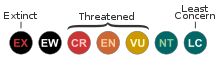
Growth: S = slow M = medium F = fast. Soil: L = light (sandy) M = medium H = heavy (clay). pH: A = acid N = neutral B = basic (alkaline). Shade: F = full shade S = semi-shade N = no shade. Moisture: D = dry M = Moist We = wet Wa = water.
Expert comment
Author
L.
Botanical References
1117200
Links / References
For a list of references used on this page please go here
Readers comment