Translate this page:
Summary
Western chainpod (Hedysarum occidentale), sometimes known simply as western sweetvetch, is a perennial member of the pea family (Fabaceae) native to the Rocky Mountains and Intermountain West of North America. Although less well known than Alpine chainpod (Hedysarum alpinum), it belongs to the same small group of North American Hedysarum species valued by Indigenous peoples for their edible roots. Historical accounts consistently place it among the better members of the genus, with roots that were gathered seasonally and eaten raw or cooked. Like many legumes, western chainpod enriches the soil through nitrogen fixation and contributes to healthy mountain grassland ecosystems. During early summer its graceful spikes of pink to purple pea flowers attract a wide range of native pollinating insects, while the nutritious foliage provides forage for wildlife and grazing animals. Its drought tolerance, winter hardiness and attractive flowers have also made it an increasingly appreciated native ornamental for restoration projects and naturalistic gardens. Although the roots are edible and generally considered good, western chainpod has never achieved the cultural importance of Alpine chainpod, whose large fleshy roots became a staple food across much of northwestern North America. Even so, western chainpod remains one of the more promising native perennial root crops of the Rocky Mountains and deserves greater attention from modern foragers and native plant enthusiasts.
Physical Characteristics

 Hedysarum occidentale is a PERENNIAL growing to 0.1 m (0ft 4in) by 0.5 m (1ft 8in).
See above for USDA hardiness. It is hardy to UK zone 4. It is in flower from July to August. The species is hermaphrodite (has both male and female organs) and is pollinated by Insects.
It can fix Nitrogen.
Suitable for: light (sandy), medium (loamy) and heavy (clay) soils and prefers well-drained soil. Suitable pH: mildly acid, neutral and basic (mildly alkaline) soils. It cannot grow in the shade. It prefers moist soil.
UK Hardiness Map
US Hardiness Map
Synonyms
Hedysarum occidentale var. canone S.L.Welsh. Hedysarum occidentale var. occidentale
Plant Habitats
Cultivated Beds;
Edible Uses
Edible Parts: Root
Edible Uses:
Western chainpod is generally regarded as one of the better edible species within the North American Hedysarum genus. Ethnobotanical records describe the roots as being eaten by Indigenous peoples throughout parts of the Rocky Mountains and Intermountain West, although references are considerably fewer than those for Alpine chainpod. Unlike northern chainpod (Hedysarum boreale), western chainpod has not acquired a reputation for causing illness and is usually treated as a safe edible when correctly identified [2-3]. The edible portion is the long, fleshy taproot. Young roots are generally preferred because they remain comparatively tender before becoming increasingly fibrous with age. Traditional harvesting was usually undertaken in spring after the soil thawed or in autumn once the growing season had ended. During these periods the roots contain the greatest reserves of stored carbohydrates and are easiest to locate before surrounding vegetation becomes dense. Fresh roots are cream-coloured beneath a thin brown outer skin. They are considerably thicker than those of northern chainpod, although usually somewhat smaller than the largest roots produced by Alpine chainpod. Their texture is crisp when freshly dug and gradually softens during cooking. The flavour is mild, slightly sweet and pleasantly starchy, recalling a combination of parsnip, carrot and fresh peas with a subtle nutty finish typical of many legumes. Unlike northern chainpod, there is little woody character and relatively little bitterness. Cooking further improves the flavour, producing a soft, satisfying root vegetable suitable for boiling, roasting or baking. Simmering creates a light, pleasant broth carrying delicate earthy notes without becoming excessively bitter. The roots may also be eaten raw while young, although cooking generally produces a more appealing texture. As with many wild root vegetables, peeling older roots before cooking removes some of the tougher outer tissues and improves overall eating quality [2-3]. Compared with modern cultivated vegetables, the roots remain relatively small, meaning that gathering a substantial quantity requires time and patience. Nevertheless, in suitable mountain habitats, healthy colonies can provide worthwhile harvests when gathered responsibly. The immature seed pods have occasionally been reported as edible in older ethnobotanical sources, although these accounts are uncommon and the roots remain by far the most important food resource. Young shoots have likewise received occasional mention but appear to have been of only minor importance. Overall, western chainpod deserves recognition as a useful native food plant. While it lacks the exceptional ethnobotanical significance of Alpine chainpod, it clearly surpasses northern chainpod both in flavour and reliability. Its combination of good taste, relatively straightforward preparation and historical use makes it one of the more promising perennial edible legumes of western North America. Edibility Rating of 3/5. The roots are genuinely edible and reasonably good, but their modest size, relatively limited documentation and restricted distribution prevent the species from receiving the higher rating given to Alpine chainpod. Root - raw or cooked[212]. Long and sweet with a liquorice-like flavour[183]. Used in the spring it is crisp and juicy' but it becomes tough and woody as the season advances.
References More on Edible Uses
Medicinal Uses
Plants For A Future can not take any responsibility for any adverse effects from the use of plants. Always seek advice from a professional before using a plant medicinally.
While Hedysarum occidentale (Western Chainpod or sweetvetch) has a history of use as an edible sweet or licorice-flavored root by Native American groups, it does not have a formal profile as a standard medicinal herb. Other species in the Hedysarum genus, however, are prominent in traditional medicine. For example, related varieties like Hedysarum neglectum (often called "Red Root") are used in herbal remedies for immune and cardiovascular support, and contain compounds with potential antioxidant and antiviral properties
References More on Medicinal Uses
The Bookshop: Edible Plant Books
Our Latest books on Perennial Plants For Food Forests and Permaculture Gardens in paperback or digital formats.
Edible Tropical Plants
Food Forest Plants for Hotter Conditions: 250+ Plants For Tropical Food Forests & Permaculture Gardens.
More
Edible Temperate Plants
Plants for Your Food Forest: 500 Plants for Temperate Food Forests & Permaculture Gardens.
More
More Books
PFAF have eight books available in paperback and digital formats. Browse the shop for more information.
Shop Now
Other Uses
Although seldom grown commercially, western chainpod has considerable potential as both a restoration species and an edible perennial for native food gardens. Its attractive flowers, nitrogen-fixing ability and tolerance of difficult soils make it valuable for ecological landscaping. Wildlife and Ecology: Western chainpod contributes significantly to the ecology of mountain grasslands and open forests. The nitrogen-fixing root nodules improve soil fertility, benefiting neighboring plants and supporting healthy native ecosystems. Its flowers provide valuable forage for pollinating insects during early summer, while the foliage is browsed by deer, elk and domestic livestock. Small mammals consume the seeds, and the deep roots occasionally provide food for burrowing animals. Although western chainpod has never achieved the ethnobotanical prominence of Alpine chainpod, it occupies an important ecological niche throughout the Rocky Mountains. Its attractive flowers, wildlife value, edible roots and ability to thrive on dry mountain soils make it one of the more interesting native perennial legumes of western North America. With increasing interest in resilient native food plants, western chainpod deserves renewed attention as a species that successfully combines ecological value with genuine, if modest, food potential. Mature clumps slowly enlarge but generally remain neat and well-behaved within naturalistic plantings. The attractive spikes of pink-purple flowers stand well above the foliage and provide ornamental interest throughout early summer.
Special Uses
Nitrogen Fixer
References More on Other Uses
Cultivation details
Western chainpod grows naturally in cool temperate climates where winters are cold and summers relatively dry. It is most frequently encountered in open mountain meadows, sagebrush communities, foothill grasslands and open conifer forests. Well-drained soils are essential, particularly sandy loams, gravelly soils and rocky mountain slopes where moisture remains available during spring but drains freely throughout summer. The species performs best in full sun but tolerates light shade beneath open woodland canopies. Like many native legumes, it is highly tolerant of drought once established, owing to its deep taproot and efficient nitrogen-fixing root nodules. Plants grow most vigorously in soils of moderate fertility. Excessively rich or heavily fertilised soils encourage lush vegetative growth at the expense of root development and flowering. Western chainpod is exceptionally cold hardy and withstands prolonged winter freezing beneath snow cover with little damage. Habitat and Distribution: Western chainpod occurs throughout the central and northern Rocky Mountains, extending from Utah and Colorado northward through Wyoming, Montana, Idaho, Alberta and British Columbia. It generally occupies elevations between approximately 1,200 and 3,000 metres, although local populations may occur outside this range. Typical habitats include mountain grasslands, sagebrush slopes, open pine forests, aspen parklands, subalpine meadows and disturbed mountain roadsides. It frequently grows alongside native grasses and wildflowers where competition from dense shrubs remains limited. Flowering usually occurs between June and August depending upon latitude and elevation. Cultivation: Although seldom grown commercially, western chainpod has considerable potential as both a restoration species and an edible perennial for native food gardens. Its attractive flowers, nitrogen-fixing ability and tolerance of difficult soils make it valuable for ecological landscaping. Plants establish most successfully from seed and require little maintenance once mature. The deep taproot enables survival through extended dry periods but makes mature specimens difficult to transplant. Garden cultivation benefits from deep, well-drained soils where the roots can develop fully. Moderate moisture during spring growth followed by relatively dry summer conditions closely resembles the plant’s natural habitat. Because flowering stems emerge each spring from perennial crowns, plants gradually increase in size over successive years without becoming invasive. Size: Western chainpod typically reaches between 30 and 80 cm in height, producing several upright flowering stems from a deep perennial rootstock. Mature clumps slowly enlarge but generally remain neat and well behaved within naturalistic plantings. The attractive spikes of pink-purple flowers stand well above the foliage and provide ornamental interest throughout early summer. Identification: Western chainpod shares the pinnate leaves, papilionaceous flowers and segmented chain-like seed pods characteristic of the genus. The distinctive loments immediately distinguish Hedysarum from superficially similar locoweeds (Astragalus), whose seed pods never divide into separate segments. Leaves usually consist of numerous oval leaflets arranged along a central rachis. The flowering spikes carry many pink to rose-purple pea flowers typical of the bean family. The calyx teeth provide one of the most reliable characters separating western chainpod from northern chainpod. In H. occidentale they are generally unequal in length and noticeably shorter than the calyx tube, whereas those of H. boreale tend to be equal in length and longer than the tube. The mature loments consist of several flattened seed-bearing segments connected into characteristic chains. Pollinators: The flowers provide abundant nectar and pollen for native bees, including numerous bumblebee species that readily pollinate the specialised pea flowers. Honeybees also visit where present. Butterflies occasionally feed from the flowers, while several solitary bee species utilise the plant throughout its flowering season. As with many legumes, successful seed production depends almost entirely upon insect pollination. Easily grown in ordinary garden soil in a sunny position, preferring a deep well-drained sandy loam[1, 200]. Plants strongly resent root disturbance and should be placed in their permanent positions as soon as possible[1]. This species is closely related to H. boreale[212]. Does well in the rock garden or border[1]. This species has a symbiotic relationship with certain soil bacteria, these bacteria form nodules on the roots and fix atmospheric nitrogen. Some of this nitrogen is utilized by the growing plant but some can also be used by other plants growing nearby[200].
References Carbon Farming Information and Carbon Sequestration Information
Temperature Converter
Type a value in the Celsius field to convert the value to Fahrenheit:
Fahrenheit:
The PFAF Bookshop
Plants For A Future have a number of books available in paperback and digital form. Book titles include Edible Plants, Edible Perennials, Edible Trees,Edible Shrubs, Woodland Gardening, and Temperate Food Forest Plants. Our new book is Food Forest Plants For Hotter Conditions (Tropical and Sub-Tropical).
Shop Now
Plant Propagation
Seed - sow in a cold frame as soon as it is ripe or in the spring[200]. Stored seed should be pre-soaked for 24 hours in warm water. Prick out the seedlings into individual pots as soon as they are large enough to handle and plant them out into their permanent positions in the summer. Division in spring. Great care is needed since the plant dislikes root disturbance[200].
Other Names
If available other names are mentioned here
Liquorice Root, Western sweetvetch
Native Range
NORTHERN AMERICA: United States (Colorado, Idaho, Montana, Washington, Wyoming)
Weed Potential
Right plant wrong place. We are currently updating this section.
Please note that a plant may be invasive in one area but may not in your area so it's worth checking.
Western chainpod has virtually no weed potential. It spreads slowly from seed and does not form invasive colonies. Instead, it remains a stable component of native mountain plant communities where natural competition regulates its abundance.
Conservation Status
IUCN Red List of Threatened Plants Status : Not listed.
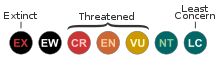
Growth: S = slow M = medium F = fast. Soil: L = light (sandy) M = medium H = heavy (clay). pH: A = acid N = neutral B = basic (alkaline). Shade: F = full shade S = semi-shade N = no shade. Moisture: D = dry M = Moist We = wet Wa = water.
Now available:
Food Forest Plants for Mediterranean Conditions
350+ Perennial Plants For Mediterranean and Drier Food Forests and Permaculture Gardens.
[Paperback and eBook]
This is the third in Plants For A Future's series of plant guides for food forests tailored to
specific climate zones. Following volumes on temperate and tropical ecosystems, this book focuses
on species suited to Mediterranean conditions—regions with hot, dry summers and cool, wet winters,
often facing the added challenge of climate change.
Read More
Expert comment
Author
Greene.
Botanical References
Links / References
For a list of references used on this page please go here
Readers comment
© 2010, Plants For A Future. Plants For A Future is a charitable company limited by guarantee, registered in England and Wales. Charity No. 1057719, Company No. 3204567.