Translate this page:
Summary
Physical Characteristics

 Cannabis sativa is a ANNUAL growing to 2.5 m (8ft) by 0.8 m (2ft 7in).
See above for USDA hardiness. It is hardy to UK zone 9. It is in flower in July. The species is dioecious (individual flowers are either male or female, but only one sex is to be found on any one plant so both male and female plants must be grown if seed is required). and is pollinated by Wind. The plant is not self-fertile.
It is noted for attracting wildlife.
Suitable for: light (sandy), medium (loamy) and heavy (clay) soils. Suitable pH: mildly acid, neutral and basic (mildly alkaline) soils and can grow in very acid and very alkaline soils.
It cannot grow in the shade. It prefers moist soil.
UK Hardiness Map
US Hardiness Map
Synonyms
Cannabis indica Lam. Cannabis ruderalis Janisch.
Habitats
Cultivated Beds;
Edible Uses
Edible Parts: Leaves Oil Seed
Edible Uses: Oil
Seed - raw or cooked. It can be parched and eaten as a condiment or made into cakes and fried[2, 85, 177, 183]. The seed is quite tasty, but it is very difficult to separate from the husk. We have tried grinding the seed, husk and all, and eating it this way, but it does then have a very gritty texture[K]. The seed contains about 27.1% protein, 25.6% fat, 7.4% carbohydrate, 6.1% ash[179]. A nutritional analysis is available calculated on a zero moisture basis[218]. A highly nutritious edible oil, rich in essential fatty acids, is obtained from the seed[105, 183]. Leaves. Used in soups[269]. The leaves contain 0.215% carotene[179].
References More on Edible Uses
| Composition
|
| Figures in grams (g) or miligrams (mg) per 100g of food.
|
|
|
Seed (Dry weight)
|
|
- 487 Calories per 100g
- Water : 0%
- Protein: 31.4g; Fat: 29.6g; Carbohydrate: 31.9g; Fibre: 23.5g; Ash: 7.1g;
- Minerals - Calcium: 139mg; Phosphorus: 1123mg; Iron: 13.9mg; Magnesium: 0mg; Sodium: 0mg; Potassium: 0mg; Zinc: 0mg;
- Vitamins - A: 518mg; Thiamine (B1): 0.37mg; Riboflavin (B2): 0.2mg; Niacin: 2.43mg; B6: 0mg; C: 0mg;
- Reference: [ 218]
- Notes:
|
|
Medicinal Uses
Plants For A Future can not take any responsibility for any adverse effects from the use of plants. Always seek advice from a professional before using a plant medicinally.
Analgesic Anodyne Anthelmintic Antianxiety Antibacterial Anticonvulsant Antiemetic Antiperiodic
Antirheumatic Antispasmodic Cancer Cholagogue Demulcent Diuretic Dysentery
Emmenagogue Emollient Epilepsy Febrifuge Hypnotic Laxative Malaria
Narcotic Ophthalmic Sedative Tonic
Hemp, or more appropriately cannabis since the form grown for fibre contains much less of the medicinally active compounds, has a very long history of medicinal use, though it is illegal to grow in many countries since the leaves and other parts of the plant are widely used as a narcotic drug[4]. The leaves and the resin that exudes from them are the parts mainly used, though all parts of the plant contain the active ingredients[4]. Cannabis contains a wide range of active ingredients, perhaps the most important of which is THC. The principal uses of the plant are as a pain-killer, sleep-inducer and reliever of the nausea caused by chemotherapy, whilst it also has a soothing influence in nervous disorders[4]. Although cannabis does not effect a cure for many of the problems it is prescribed to treat, it is a very safe and effective medicine for helping to reduce the symptoms of many serious diseases. For example, it relieves the MS sufferer of the distressing desire to urinate, even when the bladder is empty. As long as it is used regularly, it also greatly reduces the pressure in the eye to relieve the symptoms of glaucoma. The whole plant is anodyne, anthelmintic, antiemetic, anti-inflammatory, antiperiodic, antispasmodic, cholagogue, diuretic, emollient, hypnotic, hypotensive, laxative, narcotic, ophthalmic and sedative[4, 7, 21, 46, 147, 176, 178, 192, 238, 243]. It is used to relieve some of the unpleasant side effects suffered by people undergoing chemotherapy for cancer - in particular it is very effective in removing the feelings of nausea and indeed helps to create an appetite and positive attitude of mind which is so important to people undergoing this treatment[K]. It has also been found of use in the treatment of glaucoma[200, 222, 238] and relieves the distressing constant desire to urinate that is suffered by many people with multiple sclerosis. Given to patients suffering from AIDS, it helps them to put on weight[238]. Since it strongly increases the desire for food it has been found of benefit in treating anorexia nervosa. It is used externally as a poultice for corns, sores, varicose veins, gout and rheumatism[218, 238]. Few plants have a greater array of folk medicine uses. Cannabis has been used in the treatment of a wide range of conditions including alcohol withdrawal, anthrax, asthma, blood poisoning, bronchitis, burns, catarrh, childbirth, convulsions, coughs, cystitis, delirium, depression, diarrhoea, dysentery, dysmenorrhoea, epilepsy, fever, gonorrhoea, gout, inflammation, insomnia, jaundice, lockjaw, malaria, mania, menorrhagia, migraine, morphine withdrawal, neuralgia, palsy, rheumatism, scalds, snakebite, swellings, tetanus, toothache, uteral prolapse, and whooping cough[269]. The seed is anodyne, anthelmintic, demulcent, diuretic, emollient, emmenagogue, febrifuge, laxative, narcotic and tonic[218]. It is used to treat constipation caused by debility or fluid retention[238]. The seed is an important source of essential fatty acids and can be very helpful in the treatment of many nervous diseases. A high content of very active antibacterial and analgesic substances has been found in the plant[240]. It has bactericidal effects on gram-positive micro-organisms, in some cases up to a dilution of 1:150,000[240].
References More on Medicinal Uses
Now available: PLANTS FOR YOUR FOOD FOREST: 500 Plants for Temperate Food Forests and Permaculture Gardens.
An important new book from PFAF. It focuses on the attributes of plants suitable for food forests, what each can contribute to a food forest ecosystem, including carbon sequestration, and the kinds of foods they yield. The book suggests that community and small-scale food forests can provide a real alternative to intensive industrialised agriculture, and help to combat the many inter-related environmental crises that threaten the very future of life on Earth.
Read More
Other Uses
Fibre Fodder Oil Paper Repellent
A drying oil is obtained from the seed. It is used for lighting, soap making, paints, varnish etc[4, 7, 21, 46, 57, 171]. In the temperate zone, oil is produced from females which have been left to stand after the fibre-producing males have been harvested[269]. A varnish is made from the pressed seeds[269]. Seed is harvested from the female plants when most of it falls off when the plant is shaken. Best time of day to harvest seed is in early morning when fruits are turgid and conditions damp. As fruits dry out by mid-day, seed loss increases due to shattering. Usually stems are cut and the seeds shaken out over canvas sheets or beaten with sticks to extract the seeds[269]. A fibre is obtained from the stem. It is strong and very durable[171] and is used in making coarse fabrics, rope etc[1, 7, 21, 46, 57, 61]. Male plants produce the best fibres and they are harvested when the plants turn brown and the flowers begin to open[123, 171, 269]. When used for making paper the stems are harvested in the autumn and either retted or steamed until the fibres can be removed. The fibre is cooked for 2 hours or more with lye and then beaten in a ball mill or Hollander beater. The paper is off-white in colour[189]. A good companion plant for cabbages and other brassicas, it repels the cabbage white butterfly[4, 18, 20, 201] and also secretes a volatile essence from its roots that inhibits pathogenic micro-organisms in the soil[201]. Fodder/animal feed.
Special Uses
Attracts Wildlife
References More on Other Uses
Cultivation details
Cannabis is very adaptable to soil and climatic conditions[269]. It prefers a rich loamy soil with plenty of humus[171] but it succeeds in ordinary garden soil[1] and also in calcareous soils[171]. When grown for fibre, it requires a mild temperate climate with at least 67cm annual rainfall, with abundant rain whilst the seeds are germinating and until young plants become established[269]. Cannabis thrives on rich, fertile, neutral to slightly alkaline, well-drained silt or clay loams with moisture retentive subsoils, it does not grow well on acid, sandy soils[269]. Of the many types of hemp, some are adapted to most vegetated terrains and climates[269]. Cannabis is reported to tolerate an annual precipitation range of 30 to 400cm, an average annual temperature range of 6 to 27°C and a pH in the range of 4.5 to 8.2[269]. Plants require little cultivation, except for weeding during early stages of growth. Hemp grows rapidly and soon crowds out weeds[269]. After the plants are 20 cm tall, weeding is abandoned. Hemp tends to exhaust the soil of nutrients, though some nutrients are returned to the soil after plants are harvested[269]. Hemp is commonly cultivated for its fibre, edible seed and oil in many areas of the world, it is also a socially acceptable drug in areas of Asia and the Middle East[238]. However, it is illegal to grow in Britain and many other western countries (plus Australia and New Zealand) because it contains certain narcotic principles and is a commonly used narcotic drug[20, 123, 238]. As Cannabis sativa has been cultivated for over 4,500 years for different purposes, many varieties and cultivars have been selected for specific purposes, as fibre, oil or narcotics. Drug-producing selections grow better and produce more drug in the tropics; oil and fibre producing plants thrive better in the temperate and subtropical areas. Many of the cultivars and varieties have been named as to the locality where it is grown mainly. However, all so called varieties freely interbreed and produce various combinations of the characters. The form of the plant and the yield of fibre from it vary according to climate and particular variety. Varieties cultivated particularly for their fibres have long stalks, branch very little, and yield only small quantities of seed. Varieties which are grown for the oil from their seed are short in height, mature early and produce large quantities of seed. Varieties grown for the drugs are short, much-branched with smaller dark-green leaves. Between these three main types of plants are numerous varieties which differ from the main one in height, extent of branching and other characteristics[269]. At least one variety has been selected for its virtually insignificant content of the narcotic principles[141]. This form is monoecious whereas most other forms are dioecious[141]. There is also said to be a tall Chinese form that has no narcotic effect[179]. However in 1999 even these varieties are illegal to grow in Britain without a special licence. Certain varieties do not form many side-shoots and these are the forms most commonly grown for their fibre[123]. Plants grown in warmer climates tend to be best for medicinal use, whilst those grown in more northerly latitudes produce the better fibre[4]. The seed is very attractive to birds and is often included in bird seed mixtures[7].
References Carbon Farming Information and Carbon Sequestration Information
Temperature Converter
Type a value in the Celsius field to convert the value to Fahrenheit:
Fahrenheit:
The PFAF Bookshop
Plants For A Future have a number of books available in paperback and digital form. Book titles include Edible Plants, Edible Perennials, Edible Trees, and Woodland Gardening. Our new book to be released soon is Edible Shrubs.
Shop Now
Propagation
Seed - sow in early spring in the greenhouse. When they are large enough to handle, prick the seedlings out into individual pots and plant them out into their permanent positions in early summer. Seeds germinate well at low temperatures, but not below 1°C[269]. The seed can also be sown outdoors in situ in mid spring.
Other Names
If available other names are mentioned here
Preferred Common Name = hemp. English: marijuana. Spanish: canamo; sinsemilla. French: chanvre. Russian: konoplya. Arabic: hashish; kannab. Chinese: ma fen; ta ma. Portuguese: canhamo. Brazil: maconha. Germany: Hanf. Hungary: kender. India: charas; ganja. Italy: canapa. Japan: asa. Netherlands: hennep. Poland: kenop. South Africa: dagga. Sweden: hampa.
Native Plant Search
Search over 900 plants ideal for food forests and permaculture gardens. Filter to search native plants to your area. The plants selected are the plants in our book 'Plants For Your Food Forest: 500 Plants for Temperate Food Forests and Permaculture Gardens, as well as plants chosen for our forthcoming related books for Tropical/Hot Wet Climates and Mediterranean/Hot Dry Climates. Native Plant Search
Found In
Countries where the plant has been found are listed here if the information is available
Africa, Asia, Australia, Bhutan, Bulgaria, Cambodia, Canada, Central Africa, China, East Africa, Egypt, Ethiopia, Gabon, Haiti, Himalayas, India, Indochina, Indonesia, Iran*, Kenya, Laos, Libya, Malawi, Malaysia, Mediterranean, Middle East, Mozambique, Myanmar, Niger, North Africa, North America, Northeastern India, Pacific, Pakistan, Papua New Guinea, PNG, Poland, Russia, Sao Tome and Principe, SE Asia, Siberia, Tanzania, Thailand, USA, Vietnam, West Africa, West Indies, Zambia, Zimbabwe.
Weed Potential
Right plant wrong place. We are currently updating this section.
Please note that a plant may be invasive in one area but may not in your area so it’s worth checking.
This plant can be weedy or invasive. In the US it is a noxious weed in: Illinois
(marijuana)
Noxious weed.
Minnesota
(hemp)
Prohibited noxious weed.
Missouri
(marijuana)
Noxious weed.
Pennsylvania
(marijuana)
Noxious weed.
West Virginia
(marijuana)
Noxious weed.
Conservation Status
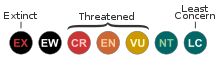
IUCN Red List of Threatened Plants Status : This taxon has not yet been assessed.
Growth: S = slow M = medium F = fast. Soil: L = light (sandy) M = medium H = heavy (clay). pH: A = acid N = neutral B = basic (alkaline). Shade: F = full shade S = semi-shade N = no shade. Moisture: D = dry M = Moist We = wet Wa = water.

Expert comment
Author
L.
Botanical References
74200
Links / References
For a list of references used on this page please go here
Readers comment