Translate this page:
Summary
Bloom Color: Orange, Yellow.
Main Bloom Time: Early summer, Early fall, Early spring, Early winter, Late summer, Late fall, Late spring, Late winter, Mid summer, Mid fall, Mid spring, Mid winter. Aloe vera, also known as the medicinal aloe, is an evergreen perennial succulent. It is stemless or short-stemmed. Leaves are fleshy and thick with serrated margins on the leaves. It grows to 0.6 - 1m (24-39 in) tall with flower spikes up to 0.9 (35 in). Flowers are pendulous with a yellow tubular corolla to 3 cm (1.2 in). It is widely used in modern herbal practice. Edible Parts are the Leaves and Seeds. Medicinal Uses for Cancer, Emmenagogue, Emollient, Laxative, Miscellany, Purgative, Skin, Stimulant, Stomachic, Tonic, Vermifuge, Vulnerary. The clear gel contained within the leaf makes an excellent treatment for wounds, burns and other skin disorders. Yellow sap at the base of the leaf and contains anthraquinones which are a useful digestive stimulant and a strong laxative. These positive effects may be due to compounds such as polysaccharides, mannans, anthraquinones and andlectins. Other Uses include: Cosmetic and Pollution. Form: Rounded, Upright or erect.
Physical Characteristics

 Aloe vera is an evergreen Perennial growing to 0.8 m (2ft 7in) by 1 m (3ft 3in) at a slow rate.
See above for USDA hardiness. It is hardy to UK zone 8. It is in leaf all year, in flower from May to June. The species is hermaphrodite (has both male and female organs).
Suitable for: light (sandy) and medium (loamy) soils, prefers well-drained soil and can grow in nutritionally poor soil. Suitable pH: mildly acid, neutral and basic (mildly alkaline) soils. It cannot grow in the shade. It prefers dry or moist soil and can tolerate drought.
UK Hardiness Map
US Hardiness Map
Synonyms
Aloe barbadensis, Aloe vulgaris
Plant Habitats
South Wall. By. West Wall. By.
Edible Uses
Edible Parts: Leaves Seed
Edible Uses:
Leaves - cooked[105]. Very bitter, they are an emergency food that is only used when all else fails[177]. A gel in the leaves is sometimes used as an ingredient of commercial jellies[183]. Seed[105, 183]. An emergency food used when all else fails[177]. It is very unlikely that the seed will be produced in Britain[238].
References More on Edible Uses
Medicinal Uses
Plants For A Future can not take any responsibility for any adverse effects from the use of plants. Always seek advice from a professional before using a plant medicinally.
Cancer Emmenagogue Emollient Laxative Miscellany Purgative Skin Stimulant
Stomachic Tonic Vermifuge Vulnerary
Aloe vera is a fairly well known herbal preparation with a long history of use. It is widely used in modern herbal practice and is often available in proprietary herbal preparations[K]. It has two distinct types of medicinal use. The clear gel contained within the leaf makes an excellent treatment for wounds, burns and other skin disorders, placing a protective coat over the affected area, speeding up the rate of healing and reducing the risk of infection[254] [K]. This action is in part due to the presence of aloectin B, which stimulates the immune system[254]. To obtain this gel, the leaves can be cut in half along their length and the inner pulp rubbed over the affected area of skin[K]. This has an immediate soothing effect on all sorts of burns and other skin problems[K]. The second use comes from the yellow sap at the base of the leaf. The leaves are cut transversally at their base and the liquid that exudes from this cut is dried[4]. It is called bitter aloes and contains anthraquinones which are a useful digestive stimulant and a strong laxative[254]. When plants are grown in pots the anthraquinone content is greatly reduced[254]. The plant is emmenagogue, emollient, laxative, purgative, stimulant, stomachic, tonic, vermifuge and vulnerary[4, 21, 46, 57, 61, 165, 176]. Extracts of the plant have antibacterial activity[218]. Apart from its external use on the skin, aloe vera (usually the bitter aloes) is also taken internally in the treatment of chronic constipation, poor appetite, digestive problems etc[238]. It should not be given to pregnant women or people with haemorrhoids or irritable bowel syndrome[238, 243]. The plant is strongly purgative so great care should be taken over the dosage[238]. The plant is used to test if there is blood in the faeces[61]. This plant has a folk history of treatment in cases of cancer[218]. The German Commission E Monographs, a therapeutic guide to herbal medicine approve Aloe vera for constipation (see [302] for critics of commission E). In Chinese medicine it is used for fungal diseases. In Indian medicine it is used for stomach tumours, constipation, colic, skin diseases, amenorrhoea, worm infestation and infections [301].
Chemical Constituents:
**Amino acids:** Isoleucine, leucine, lysine, methionine, phenylalanine, threonine, valine
**Anthraquinones:** Aloe-emodin, aloetic acid, aloin, anthracene, anthranol, barbaloin, chryscophanoic acid, emodin, ester of cinnamic acid, ethereal oil, isobarbaloin, resistannol
**Enzymes:** Alkaline phosphatase, amylase, catalase, lipase, oxidase
**Minerals:** Calcium, chromium, copper, magnesium, manganese, sodium, zinc
**Prostanoids:** gamma-linolenic acid
**Saccharides:** Aldopentose, cellulose, glucose, L-rhamnose, mannose
**Vitamins:** Alpha-tocopherol, beta-carotene, choline, folic acid, vitamins B1, B2, B6, C, and E
**Other:** Beta-sitosterol, cholesterol, gibberellin, lignins, salicylic acid, steroids, uric acid, triglycerides
References More on Medicinal Uses
The Bookshop: Edible Plant Books
Our Latest books on Perennial Plants For Food Forests and Permaculture Gardens in paperback or digital formats.
Edible Tropical Plants
Food Forest Plants for Hotter Conditions: 250+ Plants For Tropical Food Forests & Permaculture Gardens.
More
Edible Temperate Plants
Plants for Your Food Forest: 500 Plants for Temperate Food Forests & Permaculture Gardens.
More
More Books
PFAF have eight books available in paperback and digital formats. Browse the shop for more information.
Shop Now
Other Uses
Cosmetic Miscellany Pollution
The leaf extracts are used in skin-care cosmetic products[238, 254]. Plants have been grown indoors in pots in order to help remove toxins from the atmosphere. It is also unusual in that it continues to release oxygen and absorb carbon dioxide in the dark, making it very suitable for growing in bedrooms[259].
Special Uses
Food Forest
References More on Other Uses
Cultivation details
Landscape Uses:Container, Ground cover, Rock garden. Requires a well-drained soil and a very sunny position[1]. Plants are tolerant of poor soils[200]. If trying to grow this plant outdoors then it will need the sunniest and warmest area in the garden plus some protection from winter cold (a glass frame perhaps)[K]. This species is not very cold-hardy outdoors in Britain, it is best grown in a pot placed outdoors in the summer and put in a greenhouse for the winter[1]. It grows very well in a sunny windowsill[K]. Special Features:Attractive foliage, North American native, Naturalizing, Blooms appear periodically throughout the year, Attractive flowers or blooms. In garden design, as well as the above-ground architecture of a plant, root structure considerations help in choosing plants that work together for their optimal soil requirements including nutrients and water. The root pattern is rhizomatous with underground stems sending roots and shoots along their length [2-1].
References Carbon Farming Information and Carbon Sequestration Information
Temperature Converter
Type a value in the Celsius field to convert the value to Fahrenheit:
Fahrenheit:
The PFAF Bookshop
Plants For A Future have a number of books available in paperback and digital form. Book titles include Edible Plants, Edible Perennials, Edible Trees,Edible Shrubs, Woodland Gardening, and Temperate Food Forest Plants. Our new book is Food Forest Plants For Hotter Conditions (Tropical and Sub-Tropical).
Shop Now
Plant Propagation
Seed - sow spring in a warm greenhouse. The seed usually germinates in 1 - 6 months at 16°c. Prick out the seedlings into individual pots of very well-drained soil when they are large enough to handle. Grow them on in a sunny part of the greenhouse for at least their first two winters. If trying them outdoors then plant them out in early summer to allow them to become established before the winter, and give them some protection from the cold in winter[K]. Division of offsets when available, usually in spring. The plants produce offsets quite freely and they can be divided at any time of the year as long as it is warm enough to encourage fresh root growth to allow re-establishment of the plants[K]. Pot up and grow on in the greenhouse until established.
Other Names
If available other names are mentioned here
Native Plant Search
Search over 900 plants ideal for food forests and permaculture gardens. Filter to search native plants to your area. The plants selected are the plants in our book 'Plants For Your Food Forest: 500 Plants for Temperate Food Forests and Permaculture Gardens, as well as plants chosen for our forthcoming related books for Tropical/Hot Wet Climates and Mediterranean/Hot Dry Climates. Native Plant Search
Found In
Countries where the plant has been found are listed here if the information is available
Weed Potential
Right plant wrong place. We are currently updating this section.
Please note that a plant may be invasive in one area but may not in your area so it’s worth checking.
Conservation Status
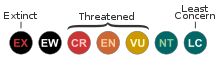
IUCN Red List of Threatened Plants Status :
| Related Plants
|
| Latin Name | Common Name | Habit | Height | Hardiness | Growth | Soil | Shade | Moisture | Edible | Medicinal | Other |
| Aloe arborescens | Candelabra Aloe, Tree Aloe, Mountain Bush Aloe | Shrub | 3.0 |
10-11
| M | LM | SN | DM | 2 | 5 | 3 |
| Aloe camperi | Aloe | Shrub | 0.8 |
9-12
| M | LM | SN | D | 0 | 4 | 1 |
| Aloe ferox | Cape Aloe, Bitter Aloe, Red Aloe, Cape Aloe, Alligator Jaw Aloe | Shrub | 3.0 |
9-11
| S | LM | N | D | 2 | 5 | 3 |
| Aloe macrosiphon | Tanzanian Aloe | Perennial | 0.5 |
9-11
| S | LM | SN | D | 0 | 4 | 1 |
| Aloe perryi | Perry's Aloe | Perennial | 0.3 |
10-12
| S | LM | N | D | 0 | 4 | 1 |
| Aquilaria malaccensis | Agar Wood, Eaglewood, Indian Aloewood, Aloeswood | Tree | 20.0 |
10-12
| S | LMH | SN | M | 1 | 3 | 3 |
| Hesperaloe funifera | New Mexico false yucca | Perennial | 1.8 |
6-9
| S | LM | N | DM | 0 | 0 | 2 |
| Hesperaloe nocturna | | Perennial | 1.8 |
6-9
| S | LM | N | DM | 0 | 0 | 2 |
| Yucca aloifolia | Spanish Bayonet, Aloe yucca, Dagger Plant, Yucca, Spanish Bayonet | Tree | 7.5 |
8-10
| S | LMH | SN | DM | 3 | 1 | 2 |
|
Growth: S = slow M = medium F = fast. Soil: L = light (sandy) M = medium H = heavy (clay). pH: A = acid N = neutral B = basic (alkaline). Shade: F = full shade S = semi-shade N = no shade. Moisture: D = dry M = Moist We = wet Wa = water.

Expert comment
Author
(L.)Burm.f.
Botanical References
50200
Links / References
For a list of references used on this page please go here
Readers comment